Test your knowledge with the latest quiz on current affairs from 10th 11th & 12th January 2025 Current Affairs Quiz ! Stay updated and challenge yourself with key events and happenings around the world.
1) What is the total investment worth for the INROAD project, aimed at improving natural rubber quality in India’s North-East?
The INROAD project is supported by an investment of ₹100 crore. It focuses on enhancing the quality of natural rubber in the North-East of India through skill development, infrastructure establishment, and collaboration with tyre manufacturers such as Apollo, Ceat, JK, and MRF.
2) Which platform was unveiled by Union Minister of Commerce & Industry, Shri Piyush Goyal, at the Bharat Climate Forum 2025 in New Delhi?
The Bharat Cleantech Manufacturing Platform was unveiled by Shri Piyush Goyal at the Bharat Climate Forum 2025. The initiative is aimed at enhancing India’s cleantech value chains in sectors like solar, wind, hydrogen, and battery storage. The platform encourages collaboration, co-innovation, and the exchange of technologies to advance India’s sustainability objectives.
3) India achieved a record renewable energy capacity addition in 2024. What was the total renewable energy capacity added in the country in 2024?
India achieved a record renewable energy capacity addition of 30 GW in 2024, according to the Ministry of New & Renewable Energy (MNRE). This marks a 113% increase from the 13.75 GW added in 2023. The milestone is significant as it moves India closer to its goal of 500 GW of renewable energy capacity by 2030, reflecting the nation’s strong commitment to clean energy and sustainability. This growth highlights India’s ongoing efforts to reduce its carbon footprint and transition toward a greener, more sustainable future.
4) The Z-Morh Tunnel, inaugurated by Prime Minister Narendra Modi, connects which two places in Kashmir?
The Z-Morh Tunnel connects Gagangir to Sonmarg, located on the Srinagar-Leh National Highway in Kashmir. This 6.5 km long, two-lane tunnel bypasses a Z-shaped stretch of the road, facilitating smoother and safer travel through the region. It is part of the India-China Border Roads initiative, aimed at enhancing road infrastructure in northern and northeastern India. The tunnel is situated at an altitude of 8,652 feet above sea level, making it a significant engineering achievement in the challenging terrain of Kashmir.
5) The Uttar Pradesh government partnered with which company to launch the Uttar Pradesh Open Network for Agriculture (UPONA)?
The Uttar Pradesh government partnered with Google Cloud (India) to launch the Uttar Pradesh Open Network for Agriculture (UPONA). This digital public infrastructure, powered by Gemini AI and Beacon technology, aims to provide comprehensive digital support to farmers in the state, transforming agriculture through advanced technological solutions.
6) The Pravasi Bharatiya Express flagged off by Prime Minister Narendra Modi marks the 110th anniversary of whose return to India from South Africa?
The Pravasi Bharatiya Express, flagged off by Prime Minister Narendra Modi on January 9, 2025, marks the 110th anniversary of Mahatma Gandhi’s return to India from South Africa in 1915. This train, launched under the Pravasi Teerth Darshan Yojana (PTDY), aims to reconnect the Indian diaspora with India’s cultural and religious heritage by providing a special tourist experience.
7) The Viksit Bharat Young Leaders Dialogue 2025 was organized by which department?
The Viksit Bharat Young Leaders Dialogue 2025 was organized by the Department of Youth Affairs under the leadership of Union Minister Dr. Mansukh Mandaviya. The event, held at Bharat Mandapam, New Delhi, is designed to engage young leaders from across India in discussions, competitions, and cultural experiences, with the goal of empowering them to contribute to India’s vision of becoming a developed nation by 2047.
8) India aims to achieve how much in combined exports from the Food & Beverage (F&B), agriculture, and marine product industries within the next five years?
India aims to achieve $100 billion in combined exports from the Food & Beverage (F&B), agriculture, and marine product industries over the next five years. This target was highlighted by Union Minister of Commerce & Industry, Shri Piyush Goyal, during his keynote address at Indusfood 2025. The Minister emphasized the need for 14-15% annual growth to reach this goal, building on India’s success in achieving $50 billion in exports last year.
.
9) Which country launched the first certificate course in Hindi on World Hindi Day (Vishwa Hindi Diwas), observed on 10th January 2025?
Sri Lanka launched the first certificate course in Hindi on 10th January 2025, coinciding with the celebration of World Hindi Day (Vishwa Hindi Diwas). The initiative was launched in Colombo, Sri Lanka, aiming to promote Hindi education in the country. World Hindi Day has been observed every year on 10th January since 2006 to mark the anniversary of the first World Hindi Conference held in 1975 in Nagpur, India. This step by Sri Lanka reflects the growing global recognition and interest in the Hindi language.
10) Where is the Artificial Intelligence (AI) Action Summit scheduled to take place on February 10-11, 2025?
The Artificial Intelligence (AI) Action Summit is scheduled to take place in Paris, France on February 10-11, 2025. The summit, hosted by French President Emmanuel Macron, aims to promote international dialogue on AI, focusing on innovation, regulation, and the future of AI technologies. Prime Minister Narendra Modi is set to attend the summit, making it an important platform for global leaders to discuss AI’s potential and challenges.
11) India has joined which organization to leverage Big Data and data science for improving official statistics and tracking Sustainable Development Goals (SDGs)?
A) World Economic Forum (WEF)
B) United Nations Committee of Experts on Big Data and Data Science for Official Statistics (UN-CEBD)
B) United Nations Committee of Experts on Big Data and Data Science for Official Statistics (UN-CEBD)
Explanation:
India has joined the United Nations Committee of Experts on Big Data and Data Science for Official Statistics (UN-CEBD), marking a significant step in enhancing the country’s global influence in statistical frameworks. This membership highlights India’s commitment to using Big Data and technology for evidence-based policymaking, with the committee focusing on how Big Data and data science can improve official statistics and help track the Sustainable Development Goals (SDGs).
If you’re looking to land a government job in the railway sector, the upcoming RRB Group D 32,438 Vacancies is your golden opportunity! With rigorous competition and a vast syllabus, it’s important to prepare effectively and efficiently. And that’s where EduSprint Academy comes in, providing you with the resources and support you need to ace your exam.
Why Choose EduSprint Academy?
EduSprint Academy is dedicated to ensuring that students not only succeed but excel in their RRB Group D exam preparations. Here’s why EduSprint Academy should be your go-to choice:
Complete Study Materials Get access to comprehensive study materials that cover every aspect of the syllabus, designed to give you a deep understanding of the concepts and topics you’ll be tested on.
Bilingual Study Materials Whether you’re comfortable in English or prefer studying in your native language, EduSprint offers bilingual materials, ensuring you can grasp the content without language barriers.
Online & Offline Tests Practice is key to success, and with EduSprint Academy, you’ll have access to both online and offline test options. Test yourself anytime, anywhere, and get real-time feedback to track your progress.
Mobile Application Stay on track with your preparation with EduSprint’s Mobile Application. Whether you’re on the go or at home, access study materials, tests, and more with just a few taps on your phone.
Complete Mentor Support Having the right guidance is crucial for cracking competitive exams. At EduSprint Academy, you’ll receive complete mentor support, ensuring you’re never alone on your journey to success.
Course Details & Fee Structure
Eligibility: Candidates who have completed their 10th grade (Matriculation) can apply for this course.
Course Fee: The fee for the RRB Group D Preparation Course is just ₹10,000. It’s an affordable investment to secure your future with a government job!
Our Locations
EduSprint Academy has branches in two convenient locations:
Cantonment, Trichy-01
Chrompet, Chennai-44
Get in Touch with Us
Ready to begin your journey towards success? Don’t miss out on this opportunity! For more details and to enroll, contact us at:
📱 8524008400
📱 8524009400
Conclusion
The RRB Group D exam is a crucial step in securing a stable and fulfilling career in the railway sector. With 32,438 vacancies up for grabs, this is your chance to make it happen. Equip yourself with the best study materials, expert guidance, and plenty of practice with EduSprint Academy. Enroll today and take your first step towards success!
Title: WHO is right: On the U.S. leaving the World Health Organization
President Donald Trump’s decision to withdraw the United States from the World Health Organization (WHO), based on charges of bias, is stunningly short sighted, and deeply concerning to the global health community. Pundits are predicting that this move, if not withdrawn, or reconsidered, may well unleash the butterfly effect — a cascading set of unpredictable consequences arising from even the smallest of changes in a system. Soon after his inauguration, Mr. Trump wasted no time in announcing the beginning of the process of ending the U.S.’s membership of WHO. In language that smacked of petulance, Mr. Trump, as he signed his first batch of executive orders, declared: “The World Health [Organization] ripped us off.” The U.S. will now leave the United Nations health agency in 12 months’ time and stop all financial contributions to its work. He accused the organisation of mishandling the COVID-19 pandemic, and of being partisan towards China, though the U.S. contributed more to its coffers. The move has not been entirely unexpected: during his previous term as U.S. President, he relentlessly criticised WHO for acting slow and being “owned and controlled by China”; in 2020 he initiated a move to halt funding to WHO, though it was scuppered as his term came to an end.
Why is the withdrawal of the U.S. significant? For starters, Mr. Trump is right — the U.S., which is a founding member of WHO, is also its biggest financial backer, contributing around 18% of its overall funding. Withdrawal of these funds will seriously impact health programmes being implemented across the world, including interventions for HIV/AIDS, tuberculosis and the eradication of certain infectious diseases. WHO is also involved in ensuring equity of access to life-saving drugs for people across the world, building stronger health systems, detecting and preventing disease outbreaks. If Mr. Trump could set his petulance aside, it would be clear that global health does not operate in silos, and neither a stern countenance nor physical boundaries can keep pathogens out of one’s own geography. If any lessons have been learned at all from the COVID-19 pandemic, it is that no one is safe until everyone is safe, and that collaboration among nations, and open sharing of data and technology are essential to tackle pandemics. WHO has reached out to the U.S., hoping that it will reconsider its decision and engage once again with it. As fantastic as it may sound, medicine is no stranger to miracles of science, and the health community hopes one more will restore the U.S. back to WHO’s fold.
Meaning of the word:
Word
Meaning
Synonyms
Antonyms
Stunningly
Stunningly means in a way that is extremely impressive, beautiful, or surprising, often to the point of awe or amazement.
Amazingly Incredibly Beautifully Remarkably
Ordinarily Unimpressively Plainly Dully
Unleash
Unleash means to release something that has been held back, restrained, or controlled, allowing it to be expressed or acted upon freely. It often implies a sudden or powerful release of energy, emotions, or forces.
Release Let loose Liberate Unchain
Restrain Suppress Confine Hold back
Petulance
Petulance refers to a quality of being easily irritated, annoyed, or showing childish sulkiness, especially over trivial matters.
We at Edusprint Academy are committed to bringing you the most relevant and updated 23rd January 2025 current affairs curated from trusted and official sources. These updates are designed to keep you ahead in your exam preparation journey.
Our comprehensive Current Affairs of 23rd January 2025 coverage aims to enhance your knowledge and boost your scores in Banking, Insurance, SSC, Railways, UPSC, and all State Government Exams. Explore our Current Affairs tailored to simplify your exam preparation.
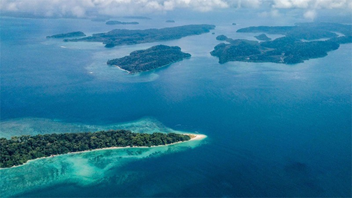
Geographical Indications (GI) Tags Granted to Products from Andaman and Nicobar Islands (December 2024)
The Geographical Indications (GI) Registry, located in Chennai, Tamil Nadu, under the Department of Industry and Internal Trade (DPIIT), Ministry of Commerce and Industry (moc&I), granted GI tags to seven indigenous products from the Andaman and Nicobar Islands (A&N). This recognition underscores the cultural and traditional importance of these products and highlights the unique heritage of the Union Territory (UT).
The Seven GI-Tagged Products:
Nicobari Mat (Chatrai-hileuoi)
Nicobari Hut (Chanvi Pati – Nyi hupul)
Nicobari Hodi Craft
Padauk Wood Craft
Nicobar Coconut
Nicobari Tavi-i-Ngaich (Virgin Coconut Oil)
Andaman Karen Musley Rice
This is the first time in India that a single Union Territory has been granted GI tags for seven products in a single instance.
Andaman and Nicobar Islands:
Capital: Port Blair
Governor: Incumbent Devendra Kumar Joshi
Rubber Board’s New Initiatives to Boost India’s Rubber Industry (January 2025)
In January 2025, during the platinum jubilee celebrations of the Rubber Act, 1947, and the Rubber Growers’ Conference in Kottayam, Kerala, the Rubber Board (RB), under the Ministry of Commerce and Industry (MoC&I), unveiled two significant initiatives:ISNR (Indian Sustainable Natural Rubber) and INR Konnect platform. These initiatives are designed to strengthen India’s position in the global rubber market and promote domestic rubber production.
Key Initiatives:
ISNR (Indian Sustainable Natural Rubber):
Goal: Align Indian rubber production with European Union Deforestation Regulation (EUDR) standards.
This initiative aims to ensure that India’s natural rubber production is sustainable and meets international environmental standards, enhancing India’s global competitiveness.
INR Konnect Platform:
Type: Web-based platform.
Goal: Connect owners of untapped rubber plantations with adopters to enhance productivity.
The platform will facilitate the adoption of underutilized rubber plantations, encouraging productivity and optimizing rubber cultivation across India.
About the Rubber Board (RB):
Executive Director (ED): M. Vasanthagesan
Headquarters: Kottayam, Kerala
Founded: 1947
Role: The Rubber Board is responsible for promoting the cultivation and processing of natural rubber in India. It works to ensure the development of sustainable rubber production and serves as a key regulator in the industry.
UNESCO and MeitY Partner on AI Readiness Assessment in India
UNESCO’s South Asia Regional Office, in collaboration with India’s Ministry of Electronics and Information Technology (MeitY) and Ikigai Law, held a two-day consultation on AI Readiness Assessment Methodology (RAM) on January 16-17, 2025. The events took place at IIIT Bangalore and NASSCOM AI office. The primary goal was to align India’s AI ecosystem with global ethical standards and identify opportunities for responsible AI adoption.
Objective: To develop actionable insights for ethical and responsible AI deployment using AI RAM, a diagnostic tool that assesses AI infrastructure, legislation, and stakeholder engagement. The initiative focuses on fostering trust and safety in India’s AI landscape.
Key Highlights
Diverse Stakeholder Engagement:
Participants included government officials, academia, industry leaders, and civil society.
Discussions centered on ethical principles like transparency, inclusiveness, and fairness.
Focus on Startups:
The second day emphasized startups’ role in driving AI innovation.
Strategies for creating an innovation-friendly and responsible AI environment were explored.
Expert Discussions: Dr. Mariagrazia Squicciarini from UNESCO emphasized the importance of RAM for assessing AI readiness and ensuring responsible growth.
Alignment with India’s AI Initiatives
Supports INDIAai Mission with a ₹10,000 crore investment.
Focus on the Safe and Trusted AI pillar to promote ethical practices, indigenous frameworks, and robust governance in AI development.
Aims to democratize AI benefits while ensuring accountability and safety.
UNSECO:
Founded: 16 November 1945, London, United Kingdom
Headquarters: Paris, France
Abbreviation: UNESCO
Director-General: Audrey Azoulay
International news
U.S. Withdraws from WHO and Suspends Foreign Aid
On January, 2025, President Donald Trump signed an executive order initiating the United States’ withdrawal from the World Health Organization (WHO) and suspending all foreign aid for 90 days, sparking global concern and debate.
Reasons for Withdrawal:
Mishandling of COVID-19: Criticism of WHO’s perceived leniency towards China’s initial response to the pandemic.
Lack of Independence: Concerns about the WHO being influenced by political pressures from member states.
Financial Disparities: The U.S. argued it was contributing disproportionately to the WHO’s budget compared to other nations, like China.
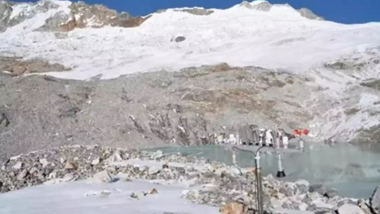
Yala Glacier in Nepal Set to Vanish by 2040s Due to Climate Change
The Yala Glacier, located in Nepal’s Langtang National Park, is a key site for studying the effects of climate change on the Himalayan cryosphere. Recent predictions indicate that the glacier could vanish by the 2040s, emphasizing the urgency of climate action.
Historical Retreat and Current Status:
Retreat:
Scientific Significance: The glacier is listed in the Global Glacier Casualty List (launched in 2024), marking its critical status among endangered glaciers.
Implications of Glacier Loss:
Water Resources: The Hindu Kush Himalaya region, warming twice as fast as the global average, relies on glaciers for freshwater, supporting 240 million people.
Glacial Lake Outburst Floods (GLOFs): Accelerated melting leads to the formation of unstable glacial lakes, posing catastrophic flood risks to nearby communities.
Global and Regional Responses:
International Efforts:
The United Nations designated 2025 as the International Year of Glaciers’ Preservation.
March 21 will now be observed annually as the World Day for Glaciers to raise awareness about glacier preservation.
Regional Actions:
India:
Launched the National Mission for Sustaining the Himalayan Ecosystem.
Established the Indian National Centre for Ocean Information Services (INCOIS) to monitor glacier-related events and issue GLOF alerts.
Nepal:
Capital: Kathmandu
Currency: Nepalese Rupee
PM: KP Sharma Oli
Agreement news
India and USA Sign MoU to Boost Cybercrime Investigation Cooperation (January 2025)
In January 2025, the Government of India (GoI) and the Government of the United States of America (USA) signed a Memorandum of Understanding (MoU) to enhance cooperation in cybercrime investigations. The MoU aims to strengthen security collaboration between the two nations and tackle interconnected issues such as terrorism, drug trafficking, human trafficking, money laundering, and other security challenges linked to cybercrime.
Key Points of the MoU:
Signing of the Agreement: The MoU was signed by Indian Ambassador Vinay Kwatra and Acting USA Deputy Secretary of Homeland Security Kristie Canegallo in Washington DC, USA.
Key Objectives:
The agreement focuses on cybercrime investigations and aims to strengthen India-USA security cooperation.
Shared focus: Addressing cybercrime, terrorism, drug trafficking, money laundering, and human trafficking, which are often interconnected and cross-border issues.
Implementation in India:
In India, the Indian Cybercrime Coordination Centre (I4C) under the Ministry of Home Affairs (MHA) will oversee the implementation of the agreement.
Implementation in the USA: In the USA, the Department of Homeland Security (DHS), along with its agencies like U.S. Immigration and Customs Enforcement and the Homeland Security Investigations Cyber Crimes Center (C3), will be responsible for executing the MoU.
State news
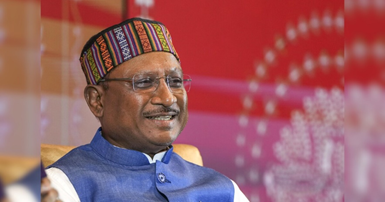
Chhattisgarh CM Launches Rs 10K Annual Aid Scheme for Labourers
On January , 2025, Chhattisgarh Chief Minister (CM) Vishnu Deo Sai launched the ‘Deendayal Upadhyay Bhoomiheen Krishi Majdoor Kalyana Yojana’ in Raipur, Chhattisgarh. The scheme aims to provide financial support to landless agricultural labourers and other marginalized communities to enhance their income and improve their quality of life.
Key Features of the Scheme:
Financial Assistance: The scheme provides Rs 10,000 annually to landless agricultural labourers, including Baigas, Gunias, and other landless families in the state.
Beneficiaries:
A total of 5.62 lakh landless agricultural labourers across Chhattisgarh will benefit from the scheme.
Total Allocation:Rs 562 crore has been allocated to support these beneficiaries.
Inclusive Coverage:
The scheme also includes forest produce collectors, shepherds, carpenters, blacksmiths, cobblers, barbers, washermen, and other families involved in the Pauni-Pasari system.
Additionally, the scheme extends to tribal temple worshippers such as Pujari, Baiga, Gunia, and Majhi families in scheduled areas.
Related Initiatives by CM Vishnu Deo Sai:
‘Nagar Vikas Ke Sopan’ Program: CM Vishnu Deo Sai participated in the ‘Nagar Vikas Ke Sopan’ program in Raipur, during which he laid the foundation stone for 813 development works worth Rs 155.38 crore.
Inauguration of Works: The CM also inaugurated 70 works worth Rs 15.25 crore in various urban bodies across the state.
Water Supply Schemes: As part of the Amrit Mission-2.0, he laid the foundation stone for water supply schemes to be built at a cost of Rs 270 crore in 6 urban bodies.
About Chhattisgarh
Chief Minister (CM): Vishnu Deo Sai
Governor: Ramen Deka
Capital: Raipur
Ranks and report news
India Slips to Third Place in Edelman Trust Barometer 2025 Rankings
The Edelman Trust Barometer 2025, an annual survey by the global communications firm Edelman, provides insights into public trust levels in government, businesses, media, and NGOs. The survey revealed that India slipped one rank to third globally in terms of overall trust, despite its trust score remaining unchanged.
Key Highlights:
India’s Position in Trust Rankings:
Global Ranking: India ranks third in overall trust in institutions, behind China and Indonesia.
Top Three Countries:
1st: China
2nd: Indonesia
3rd: India
India lost its second position to Indonesia, which saw an increase in its trust score, while India’s score remained stable.
Trust in Indian-Origin Companies:
India ranks 13th in trust for companies headquartered in India.
Top Countries for Trust in Indian-Origin Companies: Canada, Japan, and Germany.
Trust Gap Between Income Groups in India:
High-Income Group:
India ranks 4th globally in trust, with 80% trust levels.
Top-ranking countries for high-income group trust: Indonesia, Saudi Arabia, and China.
Low-Income Group: India ranks 3rd globally in trust, with 65% trust levels.
Top-ranking countries for low-income group trust: China and Indonesia.
The 15% trust gap between high and low-income groups highlights the impact of economic inequality on perceptions of institutional credibility.
Top 10 Countries with the Highest Public Pension Wealth in 2025
Public pension wealth, the total value of assets held by a country’s public pension system, plays a critical role in determining its financial stability and social security outlook. These funds ensure economic security for retired individuals, offering financial independence in their later years. In this article, we explore the top 10 countries with the highest public pension wealth in 2025, highlight the position of India, and examine the challenges and reforms in its pension system.
Importance of Public Pension Wealth:
Economic Security in Retirement: Provides financial independence for retirees, ensuring they can meet their basic needs.
Financial Stability for Governments: Reduces poverty among the elderly by guaranteeing social security in old age.
Sustainability: Ensures that future generations can also rely on pension benefits.
Top 10 Countries with the Most Public Pension Wealth in 2025:
According to the latest Global SWF 2025 report, the following countries lead the world in public pension assets:
USA $11,760
Japan $2,066
Canada $1,804
Netherlands $1,131
Australia $1,121
South Korea $948
UK $610
China $588
Denmark $569
Sweden $489
Key Highlights:
United States: Leads globally with a total of $11.76 trillion in public pension funds, demonstrating the size and strength of its social security system.
Japan: While ranked second, Japan holds the world’s largest pension fund, the Government Pension Investment Fund (GPIF), valued at $15.93 trillion.
Canada, Netherlands, and Australia: These countries prioritize well-structured and sustainable pension systems, ensuring financial inclusion and long-term growth.
Appointment news
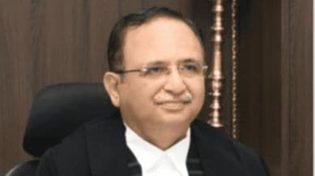
Justice Alok Aradhe Appointed as Chief Justice of Bombay High Court
The central government has issued a notification confirming the appointments of Justice Alok Aradhe as the Chief Justice of the Bombay High Court and Justice Devendra Kumar Upadhyaya as the Chief Justice of the Delhi High Court. These transfers aim to strengthen judicial leadership in two of India’s busiest high courts.
Appointment of Chief Justice of a High Court:
Collegium System: The Chief Justice of a High Court is appointed by the President of India based on recommendations from the Supreme Court Collegium.
The Collegium consists of the Chief Justice of India (CJI) and a group of senior judges from the Supreme Court.
Senior Most Judge: The Chief Justice is typically selected from among the senior judges of the High Court, with seniority being a key factor.
Consultation with State: The Collegium may consider input from the state government, particularly the Governor and the Chief Minister of the concerned state.
Formal Appointment: After the recommendation from the Collegium, the President of India formally appoints the Chief Justice.
Transferability: The Chief Justice may be transferred from one High Court to another, based on the needs of the judiciary.
Article 217 of the Indian Constitution:
Article 217 outlines the process of the appointment and removal of judges in the High Courts, including the Chief Justice.
The President appoints the Chief Justice in consultation with the CJI and the Governor of the state.
Related Articles in the Indian Constitution:
Article 217: This article deals with the appointment of judges of the High Court, including the Chief Justice, and outlines the consultation process with the Chief Justice of India and the Governor.
Article 224: Pertains to the appointment of acting Chief Justices and judges in the High Court when required.
Supreme Court Advocates-on-Record Association vs. Union of India (1993): This landmark judgment by the Supreme Court established the Collegium System for judicial appointments, including the appointment of High Court judges and Chief Justices.
Dhananjay Shukla Becomes ICSI President for 2025
The Institute of Company Secretaries of India (ICSI) has elected Dhananjay Shukla as its President and Pawan G Chandak as Vice President for the year 2025. This announcement was made on January 19, 2025.
About ICSI:
Established: Under the Company Secretaries Act, 1980.
Under: Ministry of Corporate Affairs, Government of India.
Role: Regulates and develops the profession of company secretaries in India.
Membership: Over 75,000 members and approximately 200,000 students.
Senior IPS Officer Mahesh Kumar Aggarwal Appointed as BSF ADG
Mahesh Kumar Aggarwal, a 1994-batch Indian Police Service (IPS) officer from the Tamil Nadu cadre, has been appointed as the Additional Director General (ADG) of the Border Security Force (BSF). This appointment was confirmed by the Ministry of Home Affairs (MHA) on January 19, 2025. Aggarwal will serve in this capacity for four years from the date he assumes charge or until further orders, whichever is earlier.
Summit news
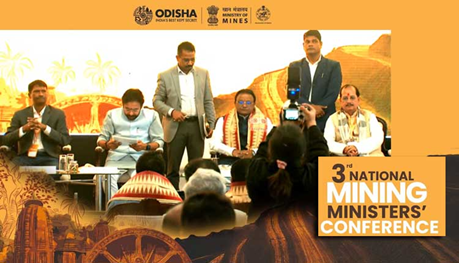
3rd National Mining Ministers Conference in Konark, Odisha
The 3rd National Mining Ministers Conference concluded in Konark, Odisha, on 21 January 2025, with a focus on the mining of critical minerals and promoting sustainable mining practices in India. The event was aimed at making India self-sufficient in the mineral sector, especially for critical minerals, and fostering cooperation between the central government, state governments, and industry stakeholders.
Inauguration:
The conference was inaugurated by G. Kishan Reddy, Union Minister of Coal and Mines.
Mohan Charan Majhi, the Chief Minister of Odisha, was the Chief Guest at the event.
Participants:
Ministers of Mines from 11 states
Principal Secretaries/Special Secretaries (Mines)
Directorate General of Mines Safety
Officials from the Ministry of Mines, Ministry of Coal, and Ministry of Steel
Chairpersons and managing directors of Central Public Sector Enterprises under the Ministries of Mines, Coal, and Steel, along with private sector representatives.
Key Focus Areas:
Self-Sufficiency in Mineral Sector: Discussions centered around ways to make India self-sufficient in minerals, with a particular emphasis on critical minerals.
Sustainable Mining: Strategies for promoting sustainable mining practices were explored, ensuring minimal environmental impact.
Award for Rajasthan:
Rajasthan won the award for conducting the highest number of auctions in the 2023-24 fiscal year.
1st Place: Rajasthan
2nd Place: Madhya Pradesh
3rd Place: Maharashtra
This recognition highlights Rajasthan’s active role in the auctioning of mining leases and contributes to the country’s mineral resource development.
Odisha:
Chief minister: Mohan Charan Majhi
Capital: Bhubaneswar
Governor: Incumbent Kambhampati Hari Babu
Sports news
Karnataka won Vijay Hazare Trophy for the 5th time beating Vidarbha
Karnataka’s men’s senior cricket team claimed their 5th Vijay Hazare Trophy titleby defeating Vidarbha in the final by 36 runs. The match was played at Kotambi Stadium, Vadodara, Gujarat, marking the end of a five-year title drought for Karnataka in domestic cricket.
Key Highlights of the Final:
Date & Venue: The final was played on January 18, 2025, at Kotambi Stadium, Vadodara, Gujarat.
Karnataka’s Score: Karnataka, batting first, scored 348/6 in their 50 overs. Ravichandran Smaran was the top scorer with a brilliant 101 runs.
Vidarbha’s Reply: Vidarbha was bowled out for 312 runs, losing by 36 runs. Dhruv Shorey top-scored for Vidarbha with 110 runs.
Captaincy:
Karnataka Captain: Devdutt Padikkal
Vidarbha Captain: Karun Nair
Award Winners:
Player of the Final: Ravichandran Smaran (Karnataka) for his match-winning knock of 101 runs.
Player of the Tournament: Karun Nair (Vidarbha) for his 779 runs throughout the tournament.
Karnataka’s Historical Wins:
This victory was Karnataka’s 5th Vijay Hazare Trophy title, with their previous wins coming in the following seasons:
2013-14
2014-15
2017-18
2019-20
About the Vijay Hazare Trophy:
Introduction: Introduced by the BCCI in the 1993-94 season as the Ranji One Day Trophy for senior men’s teams.
Format Changes: Initially divided into zones, it changed to a group-based format in the 2002-03 season.
Renaming: The tournament was renamed in 2007-08 in honor of legendary Indian batsman Vijay Hazare.
First Winner: The first Vijay Hazare Trophy was won by Saurashtra.
Karnataka:
Capital: Bengaluru (Executive Branch)
Chief minister: Siddaramaiah
Governor: Thawar Chand Gehlot
Gujarat to host 1st Olympic Research Conference
India’s bid to host the 2036 Olympics has gained momentum with a significant four-day event held in Gujarat. Organized by the Indian Olympic Association (IOA) in collaboration with the Union Ministry of Youth Affairs and Sports, the event focuses on developing strategies, sustainable infrastructure, and innovative economic models to position India as a strong contender for the prestigious global sporting event.
The Four-Day Event: Vision and Strategy: This event serves as a critical platform to discuss the 2036 Olympics bid, featuring sessions, discussions, and collaborative efforts aimed at crafting a comprehensive roadmap for India’s Olympic aspirations. The aim is to ensure India is ready not only in terms of infrastructure but also in areas like sustainability, inclusivity, and competitiveness.
Key Themes of the Event:
“2036 Vision: Pathway to Become an Olympic Host”: Focused on India’s journey toward hosting the Olympics and evaluating its readiness to take on such a monumental challenge.
“Global Best Practices and Comparative Analysis in Olympic City Selection and Urban Legacy”: Studying successful host cities, understanding their urban development strategies, and applying these lessons to India’s bid.
“Financing the Future: Innovative Economic Models for Hosting Olympics in India”: Exploring funding mechanisms and investment opportunities that will make hosting the Olympics financially viable and sustainable.
“Greening the Games: Integrating Sustainability into the Indian Olympic Plan”: Ensuring the inclusion of environmentally friendly practices in the planning and execution of the Games to meet global sustainability standards.
“The Road to 2036: Promoting Gender Equity and Inclusion Across Disciplines”: Promoting gender equality and ensuring diversity and equal opportunities in various sports, aligning with the global push for inclusivity.
Indian Olympic association:
President: P. T. Usha
Founded: 1927
Books and author
How India Led the G20: Amitabh Kant’s Inside Story
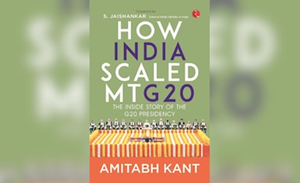
Amitabh Kant, India’s G20 Sherpa, unveils the journey behind India’s historic G20 Presidency in his book, “How India Scaled Mt G20: The Inside Story of the G20 Presidency”. The book provides an inside look into the challenges, negotiations, and triumphs that led to the success of the G20 Summit held in New Delhi in September 2023.
Key Highlights:
The Road to Consensus: A Grueling Journey:
The New Delhi Leaders’ Declaration (NDLD), a key document, took 300 hours of intense negotiations and more than 250 bilateral meetings to finalize.
The book showcases the painstaking efforts of diplomats, negotiators, and world leaders to find common ground on various issues, despite conflicting national interests.
Prime Minister Narendra Modi’s Leadership:
Kant describes Prime Minister Modi’s proactive role in the negotiations, underscoring his hands-on approach to the summit.
Modi stayed closely involved, demanding urgent situation reports every two hours to ensure the team remained focused and efficient.
A defining moment was on September 9, 2023, when Modi emphasized that he was results-driven and focused solely on securing a consensus, bypassing procedural concerns.
This decisive leadership helped to overcome the complex challenges faced during the summit.
Geopolitical Challenges: Navigating Conflicts:
The book highlights the significant geopolitical hurdles faced during the summit, especially the tense relations between the United States and China.
Kant describes how these bilateral issues threatened to derail the broader multilateral agenda of the summit, making the task of securing a unified agreement even more difficult.
However, Modi’s leadership helped navigate these conflicts, ensuring that India’s G20 Presidency was marked by diplomatic success.
Important days
International Year of Glaciers’ Preservation 2025 (IYGP)
On January 21, 2025, the United Nations Educational, Scientific and Cultural Organization (UNESCO) and the World Meteorological Organization (WMO) jointly declared 2025 as the International Year of Glaciers’ Preservation (IYGP). This declaration, made in Geneva, Switzerland, highlights the urgent need to protect glaciers, which are vital sources of freshwater for over 2 billion people worldwide.
Key Objectives of IYGP 2025:
Global Support and Awareness: The International Year aims to raise global awareness about the importance of glaciers and the rapid melting they are undergoing due to climate change.
Research and Data Accessibility: Focus on encouraging research related to glacier preservation and making cryosphere data more accessible to global scientists and policymakers.
Impact Reduction: The initiative aims to reduce the impacts of glacier melting, particularly in regions that depend heavily on glaciers for freshwater resources.
Key Events in 2025:
World Glacier Day: March 21, 2025, will mark the first-ever World Glacier Day, aligning with World Water Day (March 22), to emphasize the link between glacier preservation and water security.
International Conference on Glacier Preservation: An International Conference on Glacier Preservation will be held in Dushanbe, Tajikistan, in May 2025, bringing together global experts to discuss strategies and solutions for glacier protection.
Background: The International Year of Glaciers’ Preservation 2025 (IYGP 2025) was established through UN General Assembly Resolution A/RES/77/158, adopted during its 77th session in December 2022. This resolution was led by UNESCO and the WMO, with the goal of fostering global action on glacier preservation.
WMO:
Founded: 23 March 1950
President: Abdulla Al Mandous
UNSCEO:
Founded: 16 November 1945, London, United Kingdom
Headquarters: Paris, France
Founders: India, United States, France, China, Mexico, Türkiye · See more
Title: An exit of bluster: On the U.S. and the climate change fight
President Donald Trump has fired his howitzers at multilateralism by signing into decree the United States’ withdrawal from the 2015 Paris Agreement. This sets records that are in a class of their own. The U.S. is the only country to have withdrawn thrice from a climate agreement — beginning with George W. Bush’s withdrawal, in 2001, from the Kyoto Protocol. Mr. Trump, of course, sets a new low by being the only President to withdraw from a climate agreement twice. In the run-up to the decree, there is a pall of gloom in the climate world over what the U.S.’s latest exit might mean, particularly when the globe has finished its first full calendar year above the 1.5° Celsius mark.
The U.S. is the second largest emitterof greenhouse gases. By virtue of being the most powerful economy, it has arrogated to itself the mantle of ‘global leadership’ in addressing climate change. But now that the leader has had the spottiest track record of keeping to the terms of a significant agreement — one, whose rule book the U.S. played a major role in compiling — perhaps it is time for the rest of the world to reassess America’s role in addressing climate change. Under both Republican and Democratic governments, U.S. domestic policy on greenhouse gas emissions has been subservient to business interests. Oil and gas production increased under the Biden administration. The U.S. remains the world’s largest crude oil producer, achieving record production in 2023. The country is also the world’s largest producer of gas and, in 2022, became the world’s largest exporter for liquified natural gas (LNG). Mr. Trump has only committed to add on to this already substantial base. The U.S. is critically short of achieving its target of greenhouse gas emissions. As of 2022, the U.S. has achieved only about one-third of its 2030 emissions reduction target. In the last weeks of his Presidency, Mr. Biden increased the U.S.’s emission-reduction commitments to 61%-66% of 2005 levels by 2035. This too, calculations suggest, will be insufficient to meet a 1.5° C target. Private capital propping up renewable energy has grown exponentially since Mr. Bush, and is now too substantial for Mr. Trump and his financial backers to ignore. While it will take a year for the exit to be formalised, it is likely that the U.S.’s behind-the-scenes engagement — especially at the next climate meet (COP 30) in Brazil in November 2025 — will continue. The politics of Mr. Trump suggests that he is not averse to running with the hare and hunting with the hounds.
Meaning of the word:
Word
Meaning
Synonyms
Antonyms
Engagement
Refers to actively being involved in an activity, event, or interaction.
Participation Interaction Connection Involvement
Disengagement Detachment Withdrawal Indifference
Arrogated
Arrogated means to take or claim something without justification or right. It is often used in contexts where someone assumes authority, power, or privileges that they are not entitled to.
We at Edusprint Academy are committed to bringing you the most relevant and updated 22nd January 2025 current affairs curated from trusted and official sources. These updates are designed to keep you ahead in your exam preparation journey.
Our comprehensive Current Affairs of 22nd January 2025 coverage aims to enhance your knowledge and boost your scores in Banking, Insurance, SSC, Railways, UPSC, and all State Government Exams. Explore our Current Affairs tailored to simplify your exam preparation.
GOI Launches ‘Entity Locker’ For Efficient Business Document Management
Entity Locker is a secure, cloud-based digital platform developed by the National eGovernance Division (NeGD) under the Ministry of Electronics and Information Technology (MeitY). It streamlines the management and verification of business documents, ensuring efficient and secure digital governance.
Key Features:
Integration with Government Systems:
Seamlessly connected to MCA, GSTN, and DGFT for instant document access and reduced delays.
Consent-Based Sharing: Secure and transparent sharing of information with stakeholders through a consent mechanism.
Role-Based Access: Aadhaar-authenticated access ensures only authorized personnel can view documents.
Digital Signatures: Legally valid digital signatures ensure compliance and authenticity of documents.
Alignment with Digital Public Infrastructure (DPI): Part of India’s DPI initiative, aligned with the Union Budget 2024-25 goals of digital governance and ease of doing business.
Flamingo Festival 2025 Concludes in Andhra Pradesh
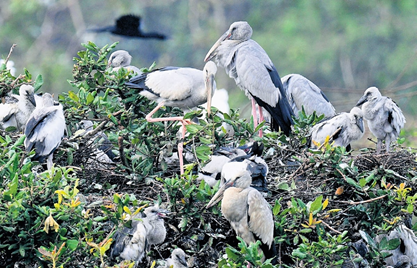
The Flamingo Festival 2025 in Andhra Pradesh concluded on January 20, 2025, marking a successful revival of the event after a period of dormancy. The festival, held across key locations like Pulicat Lake and the Nelapattu Bird Sanctuary, attracted numerous visitors, particularly bird watchers, photographers, and nature enthusiasts.
Key Highlights of Flamingo Festival 2025:
Event Overview:
Duration: Three days.
Key Locations:
Pulicat Lake: A significant stopover for migratory birds, including flamingos.
Nelapattu Bird Sanctuary: Known for its rich birdlife, including flamingo populations.
Target Audience: Local tourists from Andhra Pradesh and Tamil Nadu, as well as nature lovers and bird watchers from across India.
Objectives of the Festival:
Celebrate Flamingo Biodiversity: Focus on the avian species, particularly flamingos, that flock to the region.
Raise Environmental Awareness: Highlight the ecological importance of Pulicat Lake and Nelapattu Bird Sanctuary.
Discuss the environmental challenges faced by these ecosystems, such as pollution and habitat degradation.
Government Support:
Ministers’ Participation: Anam Ramanarayana Reddy and Anagani Satya Prasad expressed their gratitude to Chief Minister N. Chandrababu Naidu for reviving the festival, emphasizing the importance of preserving the region’s rich biodiversity.
Conclusion: The Flamingo Festival 2025 was hailed as a major success, drawing attention to the vital need for conservation efforts in these unique ecosystems. It underscored the region’s significance as a sanctuary for migratory birds, especially flamingos, and helped further the cause of environmental protection through public engagement and awareness.
Economy news
Indian Economy Projected to Grow at 7% in FY25: Moody’s Revises Forecast
Moody’s has revised India’s GDP growth forecast for the fiscal year 2024-2025 to 7%,a decrease from the 8.2% growth recorded in the previous fiscal year. This downgrade reflects a combination of domestic and global economic factors, including a slowdown in key sectors and external challenges.
Key Points of Moody’s Economic Growth Forecast:
Revised Growth Outlook:
New Forecast: 7% growth for FY 2024-2025.
Previous Year: 8.2% growth in FY 2023-2024.
The downgrade is attributed to a mix of factors, including:
Global economic slowdown.
Domestic challenges in key sectors.
Geopolitical tensions affecting trade and investment.
Inflationary pressures impacting both production and consumption.
Key Factors Behind the Downgrade:
Global Economic Conditions:
Slower global demand.
Continued uncertainty due to geopolitical tensions.
Domestic Economic Performance: Weaker-than-expected performance in critical sectors such as manufacturing and agriculture.
Positive Indicators: Despite the overall downgrade, Moody’s highlighted the improvement in India’s GDP per capita:
GDP per capita at purchasing power parity (PPP): Increased by 11% year-on-year.
FY 2023 GDP per capita (PPP): $10,233.
This growth in per capita income signifies a positive improvement in the standard of living.
International news
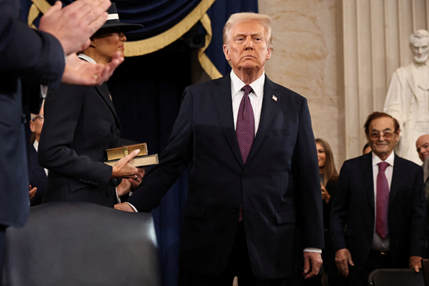
Donald Trump Sworn in as 47th President of the United States
Donald Trump was inaugurated as the 47th President of the United States on January 20, 2025, marking his return to office after a four-year hiatus. This event solidifies his place in history as one of the most notable political comebacks, making him the second president after Grover Cleveland (1893) to serve non-consecutive terms. At 78 years old, Trump replaces Joe Biden as the oldest U.S. president at inauguration.
Inauguration Ceremony:
Held indoors at the Capitol Rotunda due to extreme cold, marking the coldest inauguration day in 40 years.
Mirrored Ronald Reagan’s 1985 indoor inauguration caused by similar weather conditions.
Significance of the Event:
Trump’s team hailed his return as the beginning of the “Golden Age of America.”
His deputy, JD Vance, was also sworn in during the ceremony.
China Unveils World’s Longest Tunnel, Enhances BRI Connectivity
China has completed the construction of the Tianshan Shengli Tunnel,the world’s longest expressway tunnel, marking a significant advancement in infrastructure development and enhancing connectivity within the Xinjiang Uygur Autonomous Region.
Key Highlights
Tunnel Specifications:
Length: 22.13 kilometers, the longest expressway tunnel globally.
Route: Integral to the Urumqi-Yuli Expressway, linking Urumqi in northern Xinjiang to Yuli County in the south.
Impact: Reduces travel through the Tianshan Mountains from three hours to 20 minutes.
Construction Challenges:
Terrain: High altitudes exceeding 3,000 meters with complex geological conditions.
Innovation: First-time use of tunnel boring machines in China’s road projects to overcome challenges and expedite work.
Environmental Sensitivity: Located near the Tianshan No. 1 Glacier and Urumqi’s water source protection area, necessitating ecological safeguards.
Banking news
RBI Constitutes New Advisory Committee for Bank Licensing
On January 20, 2025, the Reserve Bank of India (RBI) established a new Standing External Advisory Committee (SEAC) to evaluate applications for Universal Banks and Small Finance Banks (SFBs). The committee, chaired by M. K. Jain, former Deputy Governor of the RBI, is set to play a pivotal role in maintaining the integrity and transparency of India’s banking sector.
Committee Composition and Tenure:
The SEAC is comprised of the following five members:
M. K. Jain – Chairperson and former Deputy Governor, RBI.
Revathy Iyer – Director, Central Board, RBI.
Parvathy V. Sundaram – Former Executive Director, RBI.
Hemant G. Contractor – Former Managing Director, State Bank of India and former Chairman, Pension Fund Regulatory and Development Authority.
N. S. Kannan – Former Managing Director and CEO, ICICI Prudential Life Insurance.
Tenure: The committee’s tenure is three years, with secretarial support provided by the RBI’s Department of Regulation.
Background and Evolution: The creation of this committee follows the precedent set in March 2021, when a similar committee was led by Shyamala Gopinath, former RBI Deputy Governor. The SEAC’s primary function is to evaluate applications for Universal Banks and SFBs, ensuring that applicants meet regulatory criteria.
Noteworthy Exemption: Existing SFBs seeking Universal Bank licenses may bypass this vetting process, as their credentials were previously assessed during their initial licensing.
Current Applications Under Review:
The RBI is currently reviewing the following applications:
Annapurna Finance: Seeking a Universal Bank license.
AU Small Finance Bank (AU SFB): Applied for a Universal Bank license.
Fino Payments Bank: Applied for an SFB license.
VFS Capital: Applied for an SFB license.
RBI Directs Banks to Use ‘1600xx’ Number Series for Transactional Calls
In a move to combat financial fraud, the Reserve Bank of India (RBI) has mandated that banks and other regulated entities (REs) utilize the ‘1600xx’ numbering series exclusively for transactional calls to customers. For promotional communications, the ‘140xx’ series should be employed. This directive aims to enhance the security of digital transactions and protect customers from fraudulent activities.
Key Directives from the RBI:
Utilization of Specific Number Series:
Transactional Calls: Banks and REs must use the ‘1600xx’ series exclusively for transactional calls to customers.
Promotional Calls: The ‘140xx’ series must be used for promotional communications.
Purpose: This differentiation helps distinguish between legitimate transactional communications and promotional messages, reducing the risk of fraud.
Monitoring and Cleaning Customer Databases:
Financial institutions must actively monitor and update their customer databases to ensure the accuracy of contact details.
Mobile Number Revocation List (MNRL): Institutions must use the Digital Intelligence Platform (DIP), developed by the Department of Telecommunications (DoT), to identify and remove invalid or revoked numbers from their databases.
Development of Standard Operating Procedures (SOPs):
Banks are encouraged to develop SOPs for updating registered mobile numbers after proper verification.
Institutions should also enhance the monitoring of accounts linked to revoked numbers to prevent misuse.
Compliance Deadline:
Deadline for Compliance: All regulated entities must adhere to these directives by March 31, 2025.
Urgency: The timeline emphasizes the need for swift implementation to protect customers from financial fraud.
Contextual Background:
Rising Fraud Risks: With the increasing use of digital transactions, there has been a rise in financial fraud, with scammers using mobile numbers for unauthorized activities.
RBI’s Objective: The measures aim to strengthen the security of digital financial services, ensuring better protection against emerging fraud risks and safeguarding consumer interests.
RBI Releases 2024-25 List of Non-Banking Finance Companies (NBFCs) in Upper Layer (UL) under Scale Based Regulation (SBR)
In January 2025, the Reserve Bank of India (RBI) released its 2024-25 list of Non-Banking Finance Companies (NBFCs) in the Upper Layer (UL) segment under the Scale Based Regulation (SBR) framework. The list includes 15 companies and reflects ongoing regulatory adjustments within the financial sector.
Key Highlights:
Tata Sons Private Limited: Despite Tata Sons’ request to de-register as an NBFC, RBI has retained it in the Upper Layer segment, and the matter is currently under examination.
List of Included Companies:
The updated list comprises prominent companies such as:
Life Insurance Corporation of India (LIC) Housing Finance Limited (HFL)
Bajaj Finance Limited (BFL)
Shriram Finance Limited (SFL)
Muthoot Finance Limited (MFIN): Muthoot Finance, a key player in the gold loan segment, has been retained in the UL list for the third consecutive year, marking its continued prominence in the sector.
Piramal Enterprise Limited (PEL): PEL was included in the UL list based on its scoring but has been eliminated for 2024-25 due to ongoing reorganization within the business group.
Conclusion: The RBI’s Upper Layer list for 2024-25 highlights the ongoing adjustments and growth within the NBFC sector. The inclusion and exclusion of companies, particularly the retention of Muthoot Finance and the elimination of Piramal Enterprise, underscore the evolving regulatory landscape that seeks to strengthen and streamline the financial system.
RBI:
Founded: 1 April 1935, Kolkata
Headquarters: Mumbai
Governor: Sanjay Malhotra
IDFC FIRST Bank Launches ‘FIRST EARN RuPay Credit Card’ in Partnership with NPCI
On January 20, 2025, IDFC FIRST Bank Limited, in collaboration with the National Payments Corporation of India (NPCI), launched the ‘FIRST EARN RuPay Credit Card’. This card is integrated with the Unified Payments Interface (UPI) and aims to offer a seamless and rewarding payment experience for users, backed by an innovative partnership with RuPay, India’s global card payment network.
About the FIRST EARN RuPay Credit Card:
Key Features:
Fixed Deposit Backing:
The card is backed by a Fixed Deposit (FD), making it instantly available online to everyone.
Cashback on UPI Payments is available as an added benefit.
Credit Access and Rewards: Users can access credit on UPI and earn rewards, while simultaneously enjoying attractive interest on FD.
Eligibility Criteria:
Must be an Indian citizen.
Minimum age of 18 years.
Have a minimum FD of Rs. 5,000 with IDFC FIRST Bank.
Features & Benefits:
Seamless UPI Integration: Use the card for UPI transactions at over 60 million QR code locations.
Instant Card Issuance: Virtual credit card available instantly with seamless UPI integration for immediate use.
Cashback Offer: 100% cashback on the first UPI transaction (up to Rs. 500) within the first 15 days, effectively refunding the first year’s fees.
Rewards Program:
Up to 1% cashback on UPI transactions via the IDFC FIRST Bank app.
0.5% cashback on transactions via other UPI apps, as well as on insurance, utility bill payments, and e-commerce purchases.
Interest on Fixed Deposit: Earn 7.25% p.a. interest on a 1-year, 1-day FD.
Comprehensive Protection:
Complimentary roadside assistance valued at Rs. 1,399.
Lost card liability coverage up to Rs. 25,000.
Personal accident coverage up to Rs. 2,00,000.
IDFC:
Headquarters: Mumbai
Founded: October 2015
CEO: V. Vaidyanathan (19 Dec 2018–)
Ranks and report news
India’s Coffee Journey: From Roots to Global Reach; World’s 7th Largest Coffee Producer
India has achieved a significant milestone by becoming the seventh-largest coffee producer globally, with exports reaching $1.29 billion in the fiscal year 2023-24, nearly doubling from $719.42 million in 2020-21. This growth reflects India’s increasing presence and influence in the global coffee market.
Historical Roots and Evolution:
Introduction of Coffee to India: Coffee was introduced to India in the 1600s by Sufi saint Baba Budan, who brought seven Mocha seeds to the hills of Karnataka. This act marked the beginning of coffee cultivation in India, which has since evolved into a vital agricultural industry.
Current Production and Export Landscape:
Production Volume: India primarily produces Arabica and Robusta coffee beans, with about three-fourths of the total production consisting of these two varieties.
Export Trends:
In the first half of January 2025, India exported over 9,300 tonnes of coffee. Key buyers include Italy, Belgium, and Russia.
Export Growth: The export value surged due to growing global demand for India’s distinctive coffee flavors, contributing to its enhanced global market share.
Regional Production Insights:
Coffee Cultivation Areas: India’s coffee is mainly grown in the ecologically rich Western and Eastern Ghats, regions known for their biodiversity and shaded coffee plantations.
Top Producing States:
Karnataka leads in production, contributing 248,020 metric tonnes in 2022-23.
Kerala and Tamil Nadu follow, both contributing significantly to India’s coffee output.
These regions not only support coffee farming but also contribute to environmental preservation, maintaining the ecological balance of these biodiversity hotspots.
World’s Largest Coffee Producers (Ranked):
Brazil – Leading the global coffee market, contributing 37% of global coffee supply.
Vietnam – Known primarily for its Robusta coffee.
Colombia – A major producer of Arabica coffee.
Indonesia – Specializes in Robusta and specialty coffees.
Honduras – A leading coffee producer in Central America.
Mexico – A significant exporter of Arabica coffee.
India – Growing both Arabica and Robusta beans, now ranked seventh globally.
GlobalData Report: Top 25 Global Banks by Market Capitalization in Q4 2024
In January 2025, GlobalData Plc, a London-based data analytics and research company, released its report on the Top 25 Global Banks by Market Capitalization (MCap) for the fourth quarter (Q4) of 2024. According to the report, JPMorgan Chase & Co, based in New York, USA, remains the world’s largest bank by market capitalization, recording a significant 37.2% increase in its market value, which reached USD 674.9 billion by the end of Q4 2024, up from USD 492.2 billion in Q4 2023.
Key Highlights from the Report:
JPMorgan Chase & Co (USA):
Market Cap (Q4 2024): USD 674.9 billion
Growth: +37.2% increase from Q4 2023, maintaining its position as the world’s largest bank by market capitalization.
Bank of America Corporation (USA): Ranked 2nd with a market cap of USD 337.2 billion.
Industrial and Commercial Bank of China (ICBC) (China): Ranked 3rd with a market cap of USD 328.2 billion.
India’s Banks Performance:
HDFC Bank: Dropped from 7th to 13th position compared to Q4 2023.
ICICI Bank: Moved up from 20th to 19th position.
State Bank of India (SBI): Retained its 24th position.
About GlobalData Plc:
CEO: Mike Danson
Headquarters: London, United Kingdom (UK)
Founded: 1999
Appointment news
Sanjiv Ranjan Appointed as Secretary General of Indian Ocean Rim Association
the Ministry of External Affairs announced the appointment of Shri Sanjiv Ranjan as the next Secretary General of the Indian Ocean Rim Association (IORA). Shri Ranjan, a seasoned diplomat from the 1993 batch of the Indian Foreign Service, will soon assume his new role.
About the Indian Ocean Rim Association (IORA):
IORA Membership: IORA is a regional organization consisting of 23 member states that border the Indian Ocean, including key countries like India, Australia, Indonesia, and South Africa.
Primary Objectives:
The association’s focus is to promote:
Economic Cooperation
Sustainable Development
Regional Security among Indian Ocean Rim countries.
Dialogue Partners:
IORA also has 12 dialogue partners, which include global players such as:
China
European Union
United States
Global Recognition: In 2015, IORA was granted observer status at both the United Nations General Assembly and the African Union, marking its growing influence in regional and international affairs.
Defence news
INS Mumbai Joins La Perouse 2025
The Indian Navy’s guided-missile destroyer, INS Mumbai, is taking part in the fourth edition of Exercise La Perouse, a multinational naval exercise that began on January 16, 2025. The exercise is held in the strategically significant Malacca, Sunda, and Lombok straits, critical corridors for global trade.
Key Objectives and Participants
Objectives of La Perouse 2025:
Enhance maritime situational awareness.
Promote interoperability and cooperation among navies.
Focus on activities such as:
Maritime surveillance.
Interdiction operations.
Air operations.
Participating Nations:
India (INS Mumbai)
Australia (Royal Australian Navy)
France (French Navy)
United Kingdom (Royal Navy)
United States (United States Navy)
Indonesia (Indonesian Navy)
Malaysia (Royal Malaysian Navy)
Singapore (Republic of Singapore Navy)
Canada (Royal Canadian Navy)
INS Mumbai’s Role and Strategic Significance
INS Mumbai:
An indigenously designed and built guided-missile destroyer.
Participates in surface warfare, anti-air warfare, air defense, and Visit, Board, Search, and Seizure (VBSS) operations.
Strategic Importance:
Showcases India’s commitment to a rules-based international order in the Indo-Pacific.
Aligns with India’s SAGAR initiative (Security and Growth for All in the Region), emphasizing regional maritime security and cooperation.
Historical Context of La Perouse
La Perouse Exercise: Biennial event since 2021.
Previous editions have fostered stronger naval ties and showcased the importance of multilateral exercises in the Indo-Pacific region, reflecting the growing need for maritime collaboration in this critical area.
Sports news
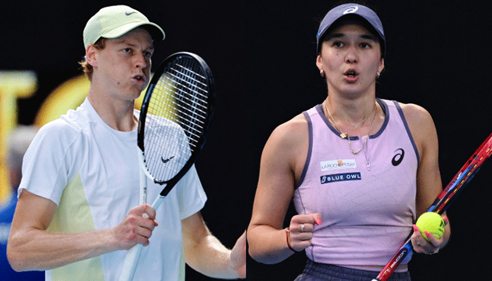
Jannik Sinner and Iga Świątek Named ITF World Champions 2024
On January 21, 2025, the International Tennis Federation (ITF) announced Jannik Sinner (Italy) as the Men’s ITF World Champion 2024 and Iga Natalia Świątek (Poland) as the Women’s ITF World Champion 2024. Both players were recognized for their outstanding performances in major tournaments, including Grand Slams, the Davis Cup, the Billie Jean King Cup, the Olympic Games, and other premier events.
Key Highlights:
Jannik Sinner (Italy):
Men’s ITF World Champion 2024
Historic Achievement: Becomes the first Italian player to receive this prestigious award.
Iga Natalia Świątek (Poland):
Women’s ITF World Champion 2024
Awarded for the second time, after previously winning the honor in 2022.
Women’s Doubles Champions: Sara Errani & Jasmine Paolini (Italy).
About the International Tennis Federation (ITF):
President & CEO: David Haggerty
Headquarters: London, United Kingdom (UK)
Established: 1913
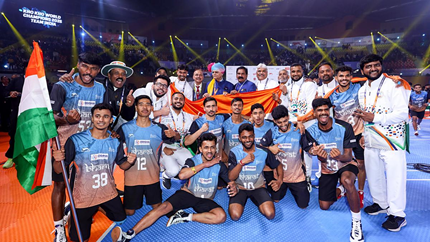
India Wins Both Titles at the Kho Kho World Cup 2025
The Indian men’s and women’s teams won the Kho Kho World Cup 2025 titles in their respective finals of the 1st edition of the Kho Kho World Cup 2025 held from January 13 to 19, 2025 at the Indira Gandhi Indoor Stadium in New Delhi, Delhi.
The Indian men’s Kho Kho team beat Nepal by 54-36 while the women’s team defeated the Nepalese team by 78-40 in the finals.
The Indian men’s team was captained by Pratik Waikar while the Women’s team was captained by Priyanka Ingle.
Final Match Results:
Men’s Final: India defeated Nepal by 54-36.
Women’s Final: India won against Nepal by 78-40.
Both Indian teams were captained by:
Men’s team captain: Pratik Waikar
Women’s team captain: Priyanka Ingle
Key Highlights:
Indian Men’s Team:
Unbeaten throughout the tournament.
Topped Group A with four wins.
Defeated Sri Lanka in the quarter-finals and South Africa in the semi-finals.
Indian Women’s Team:
Unbeaten throughout the tournament.
Won all three Group A matches.
Defeated Bangladesh in the quarter-finals and South Africa in the semi-finals.
About Kho Kho World Cup 2025:
Organizers:
Kho Kho Federation of India (KKFI)
International Kho Kho Federation (IKKF)
Support: Backed by the Indian Olympic Association (IOA).
Participating Teams:
Men’s teams: 20 teams
Women’s teams: 19 teams
Tournament Format: Round-robin format in the group stage, with top teams advancing to knockout rounds and finals.
Groupings:
Men’s Group A: India, Nepal, Peru, Brazil, Bhutan
Women’s Group A: India, Islamic Republic of Iran, Malaysia, Republic of Korea
Upcoming Tournament: The second edition will take place in Birmingham, England in 2026-27.
About Kho Kho Federation of India (KKFI):
President: Sudhansu Mittal
Headquarters: New Delhi, Delhi
Established: 1955
Important days
Manipur, Meghalaya and Tripura Celebrate Statehood Day 2025
Statehood Day, observed annually on January 21, marks the historic milestone when Manipur, Meghalaya, and Tripura attained full statehood under the North Eastern Region (Reorganization) Act of 1971. This day celebrates their cultural richness, historical significance, and contributions to India’s identity.
The Northeastern Region: A Land of Diversity
The Seven Sisters—Arunachal Pradesh, Assam, Manipur, Meghalaya, Mizoram, Nagaland, and Tripura—are known for their:
Natural Beauty: Lush hills, plains, dense forests, and biodiversity.
Cultural Richness: Unique traditions, languages, and ethnic diversity.
Heritage Contribution: Integral to India’s cultural and national identity.
Historical Journey to Statehood
1. Manipur: The Jewel of India
Historical Background: A princely state under Maharaja Bodhachandra Singh.
Merged with India in 1949 via the Instrument of Accession and Merger Agreement.
Transitioned to full statehood on January 21, 1972.
2. Meghalaya: The Abode of Clouds
Path to Statehood: Formed as an autonomous state within Assam in 1970.
Achieved statehood on January 21, 1972, recognizing its distinct cultural identity.
Key Features: Khasi, Jaintia, and Garo communities play a vital role in preserving Meghalaya’s unique cultural and linguistic heritage.
3. Tripura: A Blend of Tribal and Non-Tribal Cultures
Historical Integration: Former princely state merged with India in 1949 under Queen Kanchan Prabha’s regency.
Became a full-fledged state on January 21, 1972.
Cultural Fusion: Celebrates a harmonious blend of tribal and non-tribal traditions.
Title: The price of success: on Kerala’s demographic transition
There can be too much of a good thing, after all. The demographic transition that Kerala has heralded in the country has now delivered a sucker punch to the State, with its maternal mortality ratio climbing. Kerala led the shift to the phase of low fertility and low mortality in India, and got further, first. As the fertility level dropped, the number of births came down, thereby skewering the best maternal mortality rate (calculated as the number of deaths for every 1,00,000 live births) of the country, in Kerala. The State led the demographic transition by achieving the total replacement level fertility rate in 1987-88, and the other southern States followed in the mid-2000s. A TFR of 2.1 is considered the replacement level, indicating the number of children a woman must have in order for the society to maintain its size across generations. Below this level the population size falls. In fact, this has led to moments of anxiety, politically for the southern States that feel that with their sub-replacement level fertility rates, they will be at a disadvantage when it comes to the proposed delimitation exercise of Lok Sabha seats based on population figures. In theory, demographic transition occurs when a historical shift happens from high birth rates and high death rates to low birth and death rates, aided by advancements in education, economic development and technology. Such a transition is said to have occurred in most parts of the world, allowing the world to stabilise from the unprecedented growth forecast by Malthus, and then move on to reduce population growth, and birth rates. The theory posits four stages – moving from stable population to a rapid population growth, levelling out and finally, a decline.
Nations that have reached there, including South Korea, are struggling to revive population growth, and even incentivising childbearing does not seem to have the intended effect, as the fertility rate continues to drop. While it is impossible to stop a demographic transition in its tracks, governments must prepare for the trail of consequences that it will bring in its wake. There will be far-reaching economic and societal consequences as the proportion of the working-age population comes down and the aged population increases, placing an inordinate burden on the resources of nations. It is, therefore, important to strengthen public finances and social support systems in preparation for a growing elderly population. Health-care financing will have to be improved, and policies that support equal participation in household chores must be prioritised.
Meaning of the word:
Word
Meaning
Synonyms
Antonyms
Delimitation
Delimitation refers to the process of fixing or redefining boundaries, limits, or dividing lines. It is often used in a formal or legal context to specify or clarify the extent or scope of a particular area, jurisdiction, or authority.
DemarcationDefinitionBorderingPartitioning
UnificationAmalgamationIntegrationConsolidation
Incentivising
Incentivising refers to the act of providing motivation, encouragement, or rewards to persuade someone to take a specific action, adopt a behavior, or achieve a goal. It involves creating incentives that make a particular course of action more appealing or desirable.
We at Edusprint Academy are committed to bringing you the most relevant and updated 21st January 2025 current affairs curated from trusted and official sources. These updates are designed to keep you ahead in your exam preparation journey.
Our comprehensive Current Affairs of 21st January 2025 coverage aims to enhance your knowledge and boost your scores in Banking, Insurance, SSC, Railways, UPSC, and all State Government Exams. Explore our Current Affairs tailored to simplify your exam preparation.
Launch of 9th Edition of Swachh Survekshan (SS) 2025
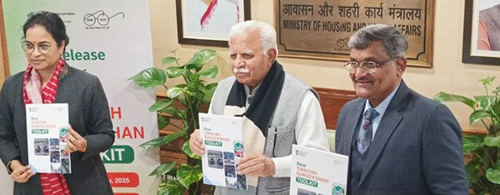
In January 2025, Union Minister Manohar Lal Khattar, Ministry of Housing and Urban Affairs (MOHUA) launched the toolkit for 9th edition of Swachh Survekshan (SS), the world’s largest urban cleanliness survey, in its new version- simpler, sharper, systematic and all- inclusive.
Key Highlights
Introduction of Super Swachh League (SSL):
A special category for 2024, recognizing cities excelling in cleanliness.
Population-Based Classification:
Cities are divided into five categories:
Very Small
Small
Medium
Big
Medium-Plus
Evaluation based on population and customized parameters.
Timeline
Field Assessment Phase:
Starts on February 15, 2025.
Ends by March 2025.
About MoHUA
Union Minister: Manohar Lal Khattar (Constituency: Karnal, Haryana).
Minister of State (MoS): Tokhan Sahu (Constituency: Bilaspur, Chhattisgarh).
Swachh Survekshan 2025 underscores India’s commitment to urban cleanliness through innovation, inclusivity, and citizen engagement.
India Semiconductor Mission (ISM) Advances Semiconductor Manufacturing
In January 2025, the India Semiconductor Mission (ISM),Mumbai(Maharashtra) based CG Power and Industrial Solutions Limited (also known as Crompton Greaves Limited), and Ahmedabad, (Gujarat) based CG Semi Private Limited (CSPL) signed a Fiscal Support Agreement (FSA) to advance India’s semiconductor manufacturing ecosystem.
The agreement supports CG Power’s Outsourced Semiconductor Assembly and Test (OSAT) facility, which was approved under the Modified Programme for Development of Semiconductor and Display Manufacturing Ecosystem.
Fiscal Support Agreement (FSA)
Signed by:
India Semiconductor Mission (ISM).
CG Power and Industrial Solutions Limited (Mumbai).
CG Semi Private Limited (Ahmedabad).
Purpose: To strengthen India’s semiconductor manufacturing ecosystem under the Modified Programme for Development of Semiconductor and Display Manufacturing Ecosystem.
Key Project Details
Location: Sanand, Gujarat.
Facility: Outsourced Semiconductor Assembly and Test (OSAT) unit.
Partners: Renesas Electronics America Inc. and Stars Microelectronics (Thailand) Public Company Limited.
Investment: ₹7,600 crore.
Fiscal Support: ISM will provide 50% fiscal support for eligible CAPEX.
Contribution to Electronics Production: CG Power’s efforts align with India’s target of achieving USD 500 billion worth of electronics production by 2030.
About India Semiconductor Mission (ISM)
Launch Year: 2021.
Financial Outlay: ₹76,000 crore.
Under: Ministry of Electronics and Information Technology (MeitY).
Objective: To provide financial incentives for semiconductor, display manufacturing, and design ecosystems.
ISM Schemes
Modified Scheme for Semiconductor Fabs.
Modified Scheme for Display Fabs.
Modified Scheme for Compound Semiconductors, Sensors, and ATMP/OSAT Facilities.
Design Linked Incentive (DLI) Scheme.
Musi River’s Historic Buildings on 2025 World Monuments Watch
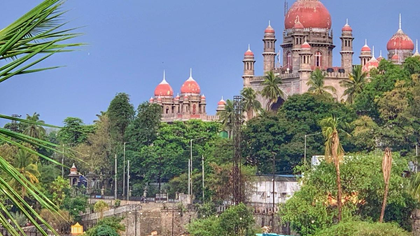
The Musi River Historic Buildings in Hyderabad have been included on the prestigious 2025 World Monuments Watch list, an initiative by the New York-based World Monuments Fund (WMF). The selection of these buildings highlights the urgent need for their preservation amidst ongoing environmental challenges, including the degradation of the Musi River and rapid urban development in the city. This recognition comes at a critical juncture when the Telangana government is actively working to rejuvenate the river and its heritage structures, combining efforts for both heritage conservation and environmental sustainability. Below are key details about this initiative.
Recognition:
Historic buildings along Hyderabad’s Musi River were included in the 2025 World Monuments Watch list by the New York-based World Monuments Fund (WMF) on January 15, 2025.
The site is among 25 globally selected locations, emphasizing preservation amidst environmental and human-made challenges.
Heritage Structures:
Notable buildings include:
Telangana High Court
State Central Library
Osmania General Hospital
British Residency (part of Koti Women’s College).
Environmental Challenges: The Musi River faces pollution and ecological degradation, threatening historic landmarks and the surrounding environment.
Government Initiatives: The Telangana government is rejuvenating the river through the Musi Riverfront Development Corporation Limited (MRDCL).
Restoration projects have begun for the State Central Library and British Residency.
WMF Advocacy:
The WMF is promoting site preservation, focusing on environmental conservation, climate adaptation, and heritage reactivation.
They allocated $2 million for preservation efforts in partnership with local stakeholders.
Community Engagement: Plans to involve private sector firms aim to boost tourism and enable adaptive reuse of historic structures.
Future Strategies: Over the next two years, WMF will help develop preservation strategies, advocacy plans, and fundraising efforts to protect these landmarks.
Musi River Details:
Source: Anantagiri Hills near Vicarabad, Telangana.
Tributary: Krishna River.
Dams: Himayat Sagar and Osman Sagar.
Impact on Hyderabad: Divides the city into old and new parts.
First ‘Mann Ki Baat’ of 2025 by PM Modi
The first ‘Mann Ki Baat’ of 2025 was conducted by the Prime Minister on January 20, a week earlier than usual, to accommodate the Republic Day celebrations on January 26. This special broadcast marked the 75th anniversary of the Indian Republic and included discussions on the Constitution, democracy, cultural traditions, advancements in space technology, and human-animal harmony.
Key Takeaways From Mann Ki Baat:
Special Date for the Broadcast
Aired on January 20, 2025, a week earlier to accommodate Republic Day celebrations.
Focused on India’s democratic journey and cultural heritage.
75th Republic Day Observance
Celebrated 75 years since the Indian Constitution came into effect.
Excerpts from speeches by visionaries like:
B.R. Ambedkar: Unity and cooperation amidst diversity.
Dr. Rajendra Prasad: Emphasis on peace, truth, and non-violence.
Dr. Shyama Prasad Mukherjee: Advocated equality and inclusivity.
3. National Voters’ Day – January 25
Acknowledged the Election Commission of India’s establishment in 1950.
Highlighted modernized electoral processes and encouraged voter participation.
4. Strength of Indian Democracy
Reflected on skepticism during the 1951-52 elections and India’s success as the “Mother of Democracy.”
Praised democratic principles for strengthening governance.
5. Call to Action
Urged citizens to honor the Constitution makers by contributing to India’s development.
Encouraged maximum voter turnout in elections.
6. Kumbh Mela and Indian Traditions
Maha Kumbh commenced in Prayagraj, showcasing unity in diversity.
Promoted equality and harmony through rituals and cultural traditions.
Highlighted the global recognition of Indian festivals.
7. Ganga Sagar Mela
Celebrated on Makar Sankranti, drawing lakhs of devotees.
Emphasized festivals’ roles in promoting social harmony and spiritual empowerment.
8. Ram Lalla Pran Pratishtha Anniversary
Marked the first anniversary of Ram Lalla’s Pran Pratishtha.
Stressed preserving cultural heritage while advancing development.
This broadcast celebrated India’s Constitution, democratic achievements, and rich cultural heritage while calling for active citizen participation in nation-building.
PM Distributes 6.5 Million SVAMITVA Property Cards
Prime Minister Narendra Modi, during a virtual event on Saturday, highlighted the importance of providing property ownership records to rural populations. The distribution of over 6.5 million property cards under the SVAMITVA scheme is a key step in ensuring legal ownership for families in rural areas. Modi emphasized that addressing property documentation issues is crucial for empowering villagers, boosting their economic activities, and unlocking substantial capital. The scheme uses advanced drone technology to survey rural areas and provide legal property documents, benefiting millions of families.
Government Commitment PM Modi emphasized the importance of providing property ownership records to rural populations to address poverty, boost economic activities, and empower villagers.
SVAMITVA Scheme Overview: Launched in 2020, the scheme uses drone-based surveys to issue property cards as legal documents, improving property rights in villages.
Milestone Achievement: 6.5 million property cards distributed to beneficiaries across 12 states and Union territories. Benefited over 65 lakh families (approx. 2.25 crore individuals).
Impact on Rural Communities: Property cards enable villagers to access bank loans for starting small businesses. Significant benefits observed among Dalit, backward, and tribal families, reducing encroachments and disputes.
Economic Growth Potential: PM Modi estimated that full implementation of the scheme could unlock over ₹100 lakh crore in economic activities, boosting India’s economy.
Global Relevance: Modi referenced a UN study linking the lack of property documents to poverty, highlighting the scheme’s role in integrating rural economies with India’s national economy.
Technological Innovation: Utilizes advanced drone technology for mapping residential land, addressing challenges like climate change and resource management.
International news
Nigeria Joins BRICS as 9th Partner Country
In January 2025, the government of Brazil, which holds the BRICS (Brazil, Russia, India, China and South Africa) bloc presidency in 2025, announced that Nigeria, the world’s 6th largest population and Africa’s largest country, has officially joined BRICS as the 9th Partner Country,
Other Partner countries of BRICS bloc are: Belarus, Bolivia, Cuba, Kazakhstan, Malaysia, Thailand, Uganda, and Uzbekistan.
Current BRICS Partner Countries
Existing Partner Countries:
Belarus
Bolivia
Cuba
Kazakhstan
Malaysia
Thailand
Uganda
Uzbekistan
About BRICS
Origin:
Initiated as BRIC in 2006 with Russia, India, and China in St. Petersburg, Russia.
Formalized at the 1st BRIC Foreign Ministers Meeting at the UN General Assembly (UNGA) in 2006.
Expansion:
South Africa joined in 2010, renaming BRIC to BRICS.
New members in 2024: Egypt, Ethiopia, Iran, UAE.
Indonesia joined in January 2025 as the 1st Southeast Asian country.
Major Events: 1st BRIC Summit: Held in Yekaterinburg, Russia (2009).
16th BRICS Summit (2024):
Hosted by Russia in Kazan.
Theme: “Strengthening Multilateralism for Just Global Development and Security.”
About Nigeria
Capital: Abuja
President: Asiwaju Bola Ahmed Adekunle Tinubu
Currency: Nigerian Naira (NGN)
USA Removes Three Indian Nuclear Entities from Restrictive Entity List
In January 2025, the United States of America (USA)’sBureau of Industry & Security (BIS) has removed 3 prominent Indian nuclear entities from its restrictive Entity List. This move aims to strengthen bilateral ties between India and USAand also focus on promoting advanced energy cooperation.
The entities removed from the USA entity list are: Trombay, Mumbai (Maharashtra)-based Bhabha Atomic Research Center (BARC), Department of Atomic Energy(DAE); Mumbai (Maharashtra)-based IREL (India) Limited (formerly Indian Rare Earths Ltd); and Kalpakkam (Tamil Nadu, TN)-based Indira Gandhi Centre for Atomic Research (IGCAR). The updated listing also includes modifications to one existing entry of India.
Key Announcement
In January 2025, the Bureau of Industry & Security (BIS) of the USA removed three Indian nuclear entities from its restrictive Entity List.
Purpose: To strengthen India-USA bilateral ties and promote advanced energy cooperation.
Entities Removed from the List
Bhabha Atomic Research Center (BARC): Trombay, Mumbai, Maharashtra.
IREL (India) Limited: Formerly Indian Rare Earths Ltd, Mumbai, Maharashtra.
Indira Gandhi Centre for Atomic Research (IGCAR): Kalpakkam, Tamil Nadu.
Background of the Restrictions
Restrictions were imposed on over 200 Indian entities after India’s 1998 nuclear tests in Pokhran, Rajasthan.
The Entity List subjects individuals and organizations to strict licensing requirements for exporting and transferring specific items.
About the US Entity List
Prepared by: Bureau of Industry & Security (BIS), USA.
Purpose: Lists foreign persons or organizations suspected of activities contrary to US national security or foreign policy interests.
Impact of Inclusion:
Imposes stringent licensing requirements.
Complicates international business dealings.
About United States of America (USA)
President: Donald John Trump.
Capital: Washington, D.C.
Currency: United States Dollar (USD).
This move marks a significant step towards fostering stronger India-USA relations and facilitating technological and energy collaboration.
Agreement news
FIU-IND and NHB Sign MoU for AML/CFT Collaboration
In January 2025, New Delhi (Delhi) based Financial Intelligence Unit-India (FIU-IND) under the Department of Revenue (DOR), Ministry of Finance (MOF) signed a Memorandum of Understanding (MOU) with New Delhi (Delhi) based National Housing Bank (NHB), under MoF to collaborate on a range of critical areas, including intelligence sharing, capacity building and risk assessment.
Memorandum of Understanding (MoU)
Date: January 2025.
Signatories:
FIU-IND: Vivek Aggarwal, Director.
NHB: Sanjay Shukla, Managing Director.
Objective: Strengthen the implementation of the Prevention of Money Laundering Act (PMLA), 2002, and enhance Anti-Money Laundering (AML) and Counter Financing of Terrorism (CFT) measures.
Key Areas of Collaboration
Nodal Officers: Both parties will appoint nodal and alternate nodal officers for coordination.
Intelligence Sharing: Exchange relevant information from their databases.
AML/CFT Risk Assessment:
Assess risks and vulnerabilities in Housing Finance Companies (HFCs).
Identify red flag indicators for Suspicious Transaction Reports in HFCs.
Training and Capacity Building: Provide outreach and training for supervised/reporting entities.
Compliance Monitoring: Ensure entities comply with PMLA, PML Rules, and RBI/NHB guidelines.
Quarterly Meetings: Review typologies/trends in AML/CFT crimes and discuss cases with sanctions.
About Financial Intelligence Unit-India (FIU-IND)
Established: 2004.
Function: Analyze and disseminate financial transaction data related to money laundering and terrorism financing.
Director: Vivek Aggarwal.
Headquarters: New Delhi.
About National Housing Bank (NHB)
Established: 1988.
Function: Regulate and promote Housing Finance Companies in India.
Managing Director: Sanjay Shukla.
Headquarters: New Delhi.
Economy news
CII Projects 7% GDP Growth for 2025-26 Amid Rising Investments
The Confederation of Indian Industry (CII) anticipates India’s Gross Domestic Product (GDP) to grow by 7% in the fiscal year 2025-26, driven by an uptick in private investments and employment generation.
GDP Growth Projection: The Confederation of Indian Industry (CII) estimates a 7% GDP growth for FY 2025-26, supported by increased private investments and employment generation.
2. Rise in Private Investments
75% of respondents in a CII survey view the current economic climate as favorable for private investments.
70% of surveyed firms plan to invest in FY 2025-26, signaling strong private sector participation.
3. Employment Generation Trends
97% of firms expect workforce expansion in 2024-25 and 2025-26.
42%-46% of firms anticipate a 10%-20% rise in employment.
31%-36% of firms foresee up to a 10% increase in jobs.
Over the past three years, 79% of respondents added employees, indicating consistent hiring growth.
4. Comparative Growth Projections
Reserve Bank of India (RBI):Estimates 7% GDP growth for FY 2025-26, with potential for an 8% growth trend in subsequent years (per RBI Deputy Governor Michael Patra).
Government’s Estimates: Pegs FY 2024-25 GDP growth at 6.4%, down from 8.2% in 2023-24, with agriculture and allied sectors rebounding to 3.8% growth from 1.4%.
Appointment news
Government Extends Tenure of Robert Jerard Ravi as CMD of BSNL and MTNL
In January 2025, the Department of Telecommunications (DOT),Ministry of Communications (MOC) has extended the additional charge of Chairman and Managing Director (CMD) of BSNL and MTNL assigned to Robert Jerard Ravi for another three months with effect from January 15, 2025, till April 14, 2025, or until further orders, whichever is earlier, subject to approval by the Appointments Committee of the Cabinet (ACC).
Gyanendra Pratap Singh Appointed as CRPF Director General
On January 18, 2025, the Indian government appointed Gyanendra Pratap Singh, a 1991-batch Indian Police Service (IPS) officer from the Assam-Meghalaya cadre, as the Director General (DG) of the Central Reserve Police Force (CRPF). Singh, who was serving as the Director General of Police (DGP) of Assam, will assume his new role immediately, with his tenure extending until his superannuation on November 30, 2027, or until further orders.
Ranks and report news
India Ranks 25th in QS World Future Skills Index 2025, Secures 2nd in ‘Future of Work’ Category
In January 2025, London (the United Kingdom, UK-based Quacquarelli Symonds (QS) released its first ‘World Future Skills Index 2025’.India secured 25th position globally earning a score of 76.6, which classifies it as a “future skills contender.”
India secured the 2nd position globally, behind the United States of America (USA) in the ‘Future of Work’ category indicating its strong readiness for technology-driven roles and industries of the future, especially in digital skills, artificial intelligence (AI), and green technologies.
Global Leaders
Top 5 Countries (Future Skills Pioneers):
USA: Score 97.6.
UK: Score 97.1.
Germany: Score 94.6.
Australia: Score 93.3.
Canada: Score 91.0.
World Employment and Social Outlook: Trends 2025′ Report
On January 18 2025, the International Labour Organization (ILO) released its flagship report titled ‘World Employment and Social Outlook: Trends 2025(WESO Trends 2025), highlighting the current state of global labour markets and the social outlook. The report provides an in- depth analysis of global employment trends, challenges, and prospects for the near future.
Report Overview
Released by: International Labour Organization (ILO).
Date: January 18, 2025.
Focus: Global labour market trends, challenges, and prospects.
Key Highlight: Global unemployment rate slowed to 5% in 2024 and is projected to decrease to 4.9% by 2026.
Key Findings
Youth Unemployment: High at 12.6% in 2024.
Job Deficit: 402.4 million jobs were missing globally in 2024.
Global Growth: Stable at 3.2% for 2024 and 2025.
Inflation Rates: Declined from 6.7% in 2023 to 5.9% in 2024; projected to decrease further in 2025.
Labour Force Participation Rate (LFPR): Stood at 61% in 2024.
Professor Urbasi Sinha, a distinguished faculty member in the Light and Matter Physics theme at the Raman Research Institute (RRI), has been awarded the prestigious Gates-Cambridge Impact Prize 2025 by the Bill & Melinda Gates Foundation at Cambridge, UK.
Prestigious Recognition
Professor Urbasi Sinha of the Raman Research Institute (RRI) was awarded the Gates-Cambridge Impact Prize 2025 by the Bill & Melinda Gates Foundation for her groundbreaking contributions to quantum science.
Advancements in Quantum Science
Leads the Quantum Information and Computing (QuIC) lab at RRI, making significant advancements in quantum communication, computing, and optics.
Her lab pioneered the development of heralded and entangled photon sources in India, enhancing the nation’s quantum research capabilities.
Role in National Quantum Mission: Plays a key leadership role in India’s National Quantum Mission, driving innovation and aligning national quantum research with global technological advancements.
International Achievements
Awarded the Canada Excellence Research Chair (CERC) in Photonic Quantum Science and Technologies at the University of Calgary.
Instrumental in establishing the Open Quantum Institute (OQI) at CERN in 2024, fostering global collaboration in quantum technologies.
Vision for Quantum Computing: Recognized for her visionary work in utilizing quantum computing to address critical global challenges, embodying the principle of science in service of humanity.
Axelsen and An Se-young Triumph at India Open 2025
Viktor Axelsen and An Se-young clinched the men’s and women’s singles titles, respectively, at the India Open Super 750 badminton tournament in New Delhi. Axelsen secured his third India Open title by defeating Hong Kong’s Lee Cheuk Yiu in straight games, 21-16, 21-8, in just 41 minutes. An Se-young showcased her dominance by overcoming Thailand’s Pornpawee Chochuwong 21-12, 21-9. In the doubles events, Malaysia’s Goh Sze Fei and Nur Izzuddin, Japan’s Arisa Igarashi and Ayako Sakuramoto, and China’s Jiang Zhen Bang and Wei Ya Xin emerged victorious.
Singles Champions
Men’s Singles: Viktor Axelsen (Denmark)
Defeated Hong Kong’s Lee Cheuk Yiu in straight games (21-16, 21-8) in 41 minutes.
Secured his third India Open title (previous wins in 2017 and 2019).
Women’s Singles: An Se-young (South Korea)
Overcame Thailand’s Pornpawee Chochuwong with a dominant performance (21-12, 21-9).
Solidified her position as a rising star in international badminton.
Doubles Winners
Men’s Doubles: Malaysia’s Goh Sze Fei and Nur Izzuddin.
Women’s Doubles: Japan’s Arisa Igarashi and Ayako Sakuramoto.
Mixed Doubles: China’s Jiang Zhen Bang and Wei Ya Xin.
Key Highlights
Viktor Axelsen demonstrated exceptional skill and athleticism, showcasing his return to peak form after injury challenges.
An Se-young’s consistent performance reinforced her status as a dominant force in women’s badminton.
The tournament, held in New Delhi, celebrated outstanding performances from top international
Books and author news
VP Jagdeep Dhankhar Launches Book on Parliament’s Powers and Functions
VP Jagdeep Dhankhar launched the book “Parliament: Powers, Functions & Privileges; A Comparative Constitutional Perspective”
In January 2025, the Vice-President (VP) of India, Jagdeep Dhankhar launched the book “Parliament: Powers, Functions & Privileges; A Comparative Constitutional Perspective” in New Delhi (Delhi). The book was authored by Dr. KS Chauhan, Senior Advocate, at VP’s Enclave, New Delhi(Delhi).
Title: Capex quandary: on the economic data, policy
Since the COVID-19 pandemic, the Centre has been using public capital expenditure on infrastructure to pump prime the economic recovery. The mantra has been that infrastructure building will stoke demand for products such as cement and steel, generate jobs in construction, and together trigger a strong multiplier effect on the economy, eventually creating conducive conditions for private investors to plan greenfield and brownfield projects. In Budget 2024-25, Finance Minister Nirmala Sitharaman said the government will endeavour to maintain strong fiscal support for infrastructure over the next five years, in conjunction with imperatives of other priorities and fiscal consolidation. She announced ₹11.11 lakh crore of capex spends this year, amounting to 3.4% of GDP. That goal is unlikely to be attained partly due to spending curbs in the poll-affected first quarter. While industry has urged the Centre to continue the capex push in 2025-26 as well, it has failed to respond to the government’s constant nudges and persuasions to ramp up their own operations.
Data show that two of this year’s first three quarters have recorded a notable sequential decline in private investment plans, particularly by domestic industry. In Q1, private capex plans dropped to multi-year lows, and though the July-September quarter recorded a recovery in investment intentions, that uptick has dissipated in Q3. Projects Today data suggest domestic investments’ value dropped 1.4% from Q2, while new projects’ value dropped over 22% from a year ago as per the Centre for Monitoring Indian Economy. There are many factors playing on corporate risk-taking capacity — weak Q2 results, global uncertainties, spiking costs and waning demand in more lucrative urban markets. Going by current indications, including the early bird Q3 results, demand has not really improved, nor is there ostensible pressure on factory capacities to warrant expansions. For a sustainable breakout from this slowdown, private capital should take the driving seat because there are limits to enhancing public capex while maintaining fiscal rectitude and providing for myriad welfare schemes. The government must accept that exhortations to industry are unlikely to spur fresh outlays, and incentives focused on themes such as import-substitution are insufficient. Not one new rupee will be deployed if a project is unviable and demand flaky. Policy focus should remain firmly on ensuring the ground is ripe to instigate investments and easing the realisation of such plans into billowing chimneys and new jobs. For that, boosting incomes and consumption is critical as is expediting macro- and micro-level reforms. That an economic policy framework outlining next generation reforms, promised in the Budget, has not been heard of since then, is not very comforting.
Meaning of the word:
Word
Meaning
Synonyms
Antonyms
Endeavour
An attempt or effort to achieve a goal or accomplish something.
Attempt Effort Pursuit Strive
Idleness Neglect Inaction Indifference
Imperatives
An essential or urgent thing; something that is of utmost importance or necessity.
Necessity Requirement Obligation Command
Option Choice Triviality Insignificance
Exhortations
A strong encouragement, urging, or appeal to persuade someone to do something.
The Railway Recruitment Board (RRB) has released the revised eligibility criteria for RRB Group D Recruitment 2025. Candidates who have completed their 10th grade or possess an ITI, equivalent qualification, or the National Apprenticeship Certificate (NAC) issued by NCVT are now eligible to apply. Available positions include Pointsman, Assistant, Track Maintainer, Assistant Loco Shed, Assistant Operations, and Assistant TL & AC, across various Indian Railway departments.
The selection process will be conducted in multiple stages:
Computer-Based Test (CBT 1)
Physical Efficiency Test (PET)
Document Verification and Medical Examination
The salary for selected candidates in RRB Group D roles will range between ₹22,500 and ₹25,380 per month.
The detailed RRB Group D Notification (CEN 08/2024) has been released on 21st January 2025 for the recruitment of 32,438 vacancies in various positions across Indian Railways.
Important Dates for RRB Group D 2025
Event
Date
Notification Release Date
21st January 2025
Online Application Starts
23rd January 2025
Last Date to Apply
22nd February 2025 (11:59 pm)
Last Date to Pay Application Fee
24th February 2025 (11:59 pm)
Correction Window
25th February to 6th March 2025 (11:59 pm)
RRB Group D CBT Exam Date
To Be Announced
RRB Group D Recruitment 2025 – Summary
Parameter
Details
Organization
Railway Recruitment Board
Job Roles
Pointsman, Assistant, Track Maintainer, Assistant Loco Shed, Assistant Operations, Assistant TL & AC
Register for the exam with required details such as name, birth date, Aadhaar number, and educational qualifications.
Complete Part I with personal and qualification details, and Part II to indicate preferences for posts.
Proceed to the payment page and pay the application fee online.
Upload scanned images of your photograph, signature, and category certificates (if applicable).
Submit the application form and take a printout for future reference.
Eligibility Criteria
Educational Qualification: 10th pass or ITI or equivalent qualification or National Apprenticeship Certificate (NAC) issued by NCVT.
Age Limit: Candidates must be between 18 and 36 years old as of 01st January 2025. Age relaxation applies as per government norms.
RRB Group D 2025 Level 1 Exam Pattern
The Railway Recruitment Board (RRB) reserves the right to conduct the Computer-Based Test (CBT) in either a single-stage or multi-stage mode. Candidates who successfully qualify the CBT will proceed to the Physical Efficiency Test (PET), followed by Document Verification and a Medical Examination.
Negative Marking: 1/3rd of the marks will be deducted for each incorrect answer.
Minimum Qualifying Marks:
UR & EWS: 40%
OBC (Non-Creamy Layer)/SC/ST: 30%
RRB Group D CBT-1 Exam Pattern 2025
Subjects
No. of Questions
Marks
Duration
General Science
25
25
90 minutes
Mathematics
25
25
General Intelligence & Reasoning
30
30
General Awareness and Current Affairs
20
20
Total
100
100
RRB Group D 2025 Syllabus
Subject
Topics
Mathematics
Number system, BODMAS, Decimals, Fractions, LCM, HCF, Ratio and Proportion, Percentages, Mensuration, Time and Work, Time and Distance, Simple and Compound Interest, Profit and Loss, Algebra, Geometry and Trigonometry, Elementary Statistics, Square root, Age Calculations, Calendar & Clock, Pipes & Cistern, etc.
General Intelligence and Reasoning
Analogies, Alphabetical and Number Series, Coding and Decoding, Mathematical operations, Relationships, Syllogism, Jumbling, Venn Diagram, Data Interpretation and Sufficiency, Conclusions and Decision Making, Similarities and Differences, Analytical Reasoning, Classification, Directions, Statement – Arguments and Assumptions, etc.
General Science
Physics, Chemistry, and Life Sciences (10th standard level – CBSE)
Current Affairs
General Awareness and Current Affairs in Science & Technology, Sports, Culture, Personalities, Economics, Politics, and any other subject of importance.
Edusprint Academy is committed to helping aspirants prepare effectively for Railway Exams and achieve success in their goals. The academy offers structured coaching and resources to help students excel in various Railway recruitment exams, including RRB Group D, RRB NTPC, and other Railway posts.