Day: January 17, 2025

  • 14th and 15th January 2025 current affairs

    14th and 15th January 2025 current affairs

    We at Edusprint Academy are committed to bringing you the most relevant and updated 14th and 15th January 2025 current affairs curated from trusted and official sources. These updates are designed to keep you ahead in your exam preparation journey.

    Our comprehensive Current Affairs of 14th and 15th January 2025 coverage aims to enhance your knowledge and boost your scores in Banking, Insurance, SSC, Railways, UPSC, and all State Government Exams. Explore our Current Affairs tailored to simplify your exam preparation

    Edusprint Youtube Channel : Edusprint Academy

    National news

    Piyush Goyal Inaugurates National Turmeric Board for ‘Golden Spices’

    On 14 January 2025, the National Turmeric Board was formally inaugurated by Piyush Goyal, the Union Minister for Commerce and Industry, through a video conference in New Delhi. The headquarters of the National Turmeric Board is located in Nizamabad, Telangana, a major contributor to India’s turmeric production, accounting for around 30% of the country’s turmeric exports.

    Key Details:

    Ministry: The National Turmeric Board operates under the Department of Commerce, Union Ministry of Commerce and Industry.

    Chairperson and Composition:

    Chairperson: The first chairperson of the board is Palle Ganga Reddy, appointed by the government of India.

    The Board will consist of members from various ministries, including:

    • Union Ministry of AYUSH
    • Department of Pharmaceuticals
    • Union Ministry of Agriculture & Farmers Welfare
    • Union Ministry of Commerce and Industry

    The board will also include:

    • Representatives from three major turmeric-growing states (on a rotating basis).
    • National and state institutions involved in turmeric research.
    • Turmeric farmers and exporters.
    • The Secretary appointed by the Department of Commerce.

    Functions of the National Turmeric Board:

    • Promote Research and Development (R&D): Focus on boosting yields and production of turmeric.
    • Boost Exports: Promote R&D in new turmeric products and value addition, ensuring smooth logistics and a robust supply chain for international markets.
    • Raise Awareness: Highlight the essential and medical properties of turmeric.
    • Ensure Quality Standards: Maintain the quality and safety of turmeric production and exports to reinforce India’s position as the world’s leading exporter of high-quality turmeric.
    • Farmer Development: Focus on capacity building and skill development for turmeric farmers.

    India’s Role in Turmeric Production and Exports:

    • India is the world’s largest producer, exporter, and consumer of turmeric.
    • In 2023-24, India exported 1.62 lakh tonnes of turmeric, worth ₹1,875.86 crore or $226.5 million.
    • The top buyers of Indian turmeric include Bangladesh, followed by UAE, Malaysia, and USA.
    • Target for 2030: The government aims for ₹8,000 crore in turmeric exports by 2030.
    Govt Approves 56 Watershed Projects Worth ₹700 Crore

    The Ministry of Rural Development has sanctioned 56 new Watershed Development Projects under the Pradhan Mantri Krishi Sinchayee Yojana (PMKSY) with a total investment of ₹700 crore. These projects span 10 high-performing states: Rajasthan, Madhya Pradesh, Karnataka, Odisha, Tamil Nadu, Assam, Nagaland, Himachal Pradesh, Uttarakhand, and Sikkim.

    Scope and Coverage:

    • Each project covers approximately 5,000 hectares, with smaller areas in hill states.
    • A total of 280,000 hectares will benefit from these projects.

    Activities Undertaken:

    • Ridge area treatment and drainage line treatment.
    • Soil and moisture conservation, rainwater harvesting, and pasture development.
    • Livelihood support for asset-less individuals.

    Objectives and Outcomes:

    • Agricultural Productivity: Enhanced soil health and water availability to improve crop yields and farmers’ incomes.
    • Land Degradation: Rehabilitation of degraded lands and promotion of sustainable practices.
    • Climate Resilience: Strengthened water conservation and soil fertility to combat climate change impacts.

    Historical Context:

    • Builds on the success of PMKSY 1.0, which improved groundwater, surface water availability, and agricultural productivity.
    • The current phase, PMKSY-WDC 2.0, aims to continue sustainable rural development with these newly approved projects.
    C-DOT & IIT Mandi to Develop Wideband Spectrum Sensor Chip

    The Centre for Development of Telematics (C-DOT), in collaboration with IIT Mandi and IIT Jammu, has signed an agreement to develop a Wideband Spectrum-Sensor ASIC-Chip. This project aims to enhance spectrum utilization efficiency and expand broadband access, especially in rural India, under the Telecom Technology Development Fund (TTDF) scheme.

    Project Goals:

    • Development of a chip to improve spectrum efficiency.
    • Focus on hardware-friendly algorithms for wideband spectrum sensing.
    • Target spectrum beyond 2 GHz bandwidth to exploit unused bands or white spaces.
    • Support rural broadband expansion by leveraging underutilized spectrum.

    Technological Innovations: Spectrum sensing enables Cognitive Radio to adapt dynamically without interfering with primary networks.

    Efficient hardware architectures for:

    • Short sensing time
    • High data throughput
    • Improved hardware efficiency
    • Initial designs emulated in FPGA; subsequent development of ASIC chips.
    • Demonstration of a cognitive radio module for the 6 GHz satellite band (5.925–7.125 GHz).

    Key Benefits:

    • Increases cognitive radio network throughput.
    • Enhances spectrum utilization for communication systems.
    • Develops intellectual property for dynamic spectrum access technology.
    • Aligns with the India Semiconductor Mission.

    Supporting Vision and Schemes:

    • Funded under TTDF, Department of Telecommunications (DoT).
    • Supports Make-in-India and Atmanirbhar Bharat initiatives.
    • Bridges India’s digital divide by enhancing rural connectivity.

    Key Attendees and Remarks:

    • Dr. Raj Kumar Upadhyay (CEO, C-DOT): Stressed the significance of indigenous spectrum sensing technologies.
    • Dr. Rahul Shrestha (IIT Mandi) & Dr. Rohit B. Chaurasiya (IIT Jammu): Emphasized commitment to research in dynamic spectrum access technology.
    • Other notable attendees: Dr. Pankaj Kumar Dalela and Ms. Shikha Srivastava, Directors at C-DOT.

    This initiative underscores India’s technological advancements in telecommunications, fostering innovation and self-reliance.

    Kappad and Chal Beaches Receive Prestigious Blue Flag Certification

    Kerala’s Kappad beach (Kozhikode) and Chal beach (Kannur) have received the prestigious Blue Flag certification, a globally recognized eco-label awarded by the Foundation for Environmental Education (FEE), Denmark. This recognition highlights their commitment to environmental protection, safety, and sustainability, boosting Kerala’s reputation as a hub for sustainable tourism.

    Key Highlights:

    Blue Flag Certification: Awarded by the FEE, established in 1985 to promote sustainable coastal development.

    Recognizes adherence to 33 stringent criteria in four categories:

    • Environmental Education and Information
    • Bathing Water Quality
    • Environmental Management
    • Conservation and Safety Services

    Significance for Kerala:

    • Global Recognition: Enhances the state’s international appeal as a sustainable tourism destination.
    • Eco-Friendly Practices: Both beaches maintain high hygiene, safety, and eco-conscious standards.
    • Tourism Impact: Attracts environmentally conscious travelers, aligning with Kerala’s Responsible Tourism (RT) initiatives.

    Tourism Minister’s Statement:

    P.A. Mohamed Riyas: Highlighted the achievement as a milestone for Kerala’s sustainable tourism.

    India’s Blue Flag Beaches: With Kappad and Chal, India now boasts 13 Blue Flag beaches, reflecting its dedication to eco-friendly tourism.

    About Blue Flag Certification:

    • Authority: Awarded by FEE and validated by an international jury comprising representatives from:
    • United Nations Environment Programme (UNEP)
    • United Nations World Tourism Organisation (UNWTO)
    • International Union for Conservation of Nature (IUCN)

    Global Reach: Over 4,000 beaches worldwide hold this certification, with Spain leading at 729 beaches.

    The Blue Flag certification recognizes beaches that adhere to stringent environmental, safety, and sustainability standards. As of 2025, India has 13 certified beaches:

    • Shivrajpur Beach, Dwarka, Gujarat (Certified in 2020)
    • Golden Beach, Puri, Odisha (Certified in 2020)
    • Ghoghla Beach, Diu, Gujarat (Certified in 2020)
    • Kasarkod Beach, Uttara Kannada, Karnataka (Certified in 2020)
    • Padubidri Beach, Udupi, Karnataka (Certified in 2020)
    • Rushikonda Beach, Visakhapatnam, Andhra Pradesh (Certified in 2020)
    • Radhanagar Beach, Havelock Island, Andaman & Nicobar Islands (Certified in 2020)
    • Kovalam Beach, Chennai, Tamil Nadu (Certified in 2020)
    • Eden Beach, Puducherry (Certified in 2020)
    • Minicoy Thundi Beach, Lakshadweep (Certified in 2022)
    • Kadmat Beach, Lakshadweep (Certified in 2022)
    • Kappad Beach, Kozhikode, Kerala (Certified in 2025)
    • Chal Beach, Kannur, Kerala (Certified in 2025)


    International news

    India-U.S. Sonobuoy Production Line Set for 2027

    India and the United States have announced a co-production initiative to enhance the Indian Navy’s undersea domain awareness through the assembly of U.S.-specification sonobuoys in India. This collaboration aims to provide India with advanced technology for submarine detection and undersea warfare capabilities, strengthening India’s defense readiness and regional security.

    Key Details:

    Co-Production Agreement:

    • The co-production agreement focuses on assembling U.S. sonobuoys in India to bolster the Indian Navy’s capabilities for detecting submarines.
    • The operational production line for these sonobuoys is expected to be fully functional by 2027.

    Collaboration Partners: Ultra Maritime, a leading U.S. defense company, has partnered with Bharat Dynamics Limited (BDL), an Indian defense public sector undertaking, for the final assembly of the sonobuoys in India.

    Technology Transfer: As part of the U.S.-India Initiative on Critical and Emerging Technologies, this collaboration includes technology transfer, enabling the development of new sonobuoy systems customized for the Indian Ocean environment.

    Operational Compatibility:

    • The sonobuoys will be designed to be compatible with various military platforms, including:
    • U.S. and Indian platforms such as the P-8 aircraft and MH-60R helicopters.
    • Allied military platforms for broader interoperability in joint operations.

    Geopolitical Significance:

    • The partnership strengthens India-U.S. defense ties, particularly as China’s naval presence expands in the Indian Ocean.
    • This development is also aligned with **India’s role in the Quad and its increasing focus on regional security and undersea warfare.

    Future Outlook: The initiative opens up opportunities for Indian suppliers to integrate into the global supply chain for undersea warfare technologies, promoting self-reliance and fostering defense industrial growth within India.

    India to Host the 28th CSPOC in 2026

    India will host the 28th Conference of Speakers and Presiding Officers of Parliaments of Commonwealth Countries (CSPOC) in New Delhi in 2026, as announced by Om Birla, the Speaker of the Lok Sabha, on January 10, 2025 during the CSPOC Standing Committee Meeting held in Guernsey.

    Focus of the 28th CSPOC:

    • The conference will focus on the application of Artificial Intelligence (AI) and social media in parliamentary operations.
    • The aim is to enhance cooperation among Commonwealth member countries using these technologies.
    • It will also highlight regional language translations for Members of Parliament (MPs) and provide access to parliamentary papers in various languages.

    India’s Role in Global Economy:

    • India, now the 5th-largest economy in the world and the 3rd-largest startup ecosystem, is rapidly growing in sectors like agriculture, fintech, AI, and research and innovation.
    • The hosting of the CSPOC further solidifies India’s leadership in global discussions on technology and parliamentary reforms.

    Cultural Significance: India’s selection as the host for this prestigious event reflects its rich cultural heritage, rooted in the philosophy of Vasudhaiva Kutumbakam – “the whole world is one family.”

    India’s Previous Hosting of CSPOC: India has previously hosted the CSPOC in 1970-71, 1986, and 2010, showcasing its longstanding commitment to fostering international dialogue and cooperation.

    Banking news

    IBBI Mandates Use of eBKray Platform for Asset Auctions in Liquidation

    On January 10, 2025, the Insolvency and Bankruptcy Board of India (IBBI) announced that starting April 1, 2025, all asset auctions under the liquidation process must be conducted using the eBKray platform, now rebranded as the Bank Asset Auction Network (BAANKET). This initiative aims to enhance transparency, improve auction efficiency, and increase recovery rates in liquidation cases.

    Key Points:

    Mandatory Use of eBKray Platform:

    • IBBI has instructed Insolvency Professionals (IPs) to list unsold assets from ongoing liquidation cases on the eBKray platform by March 31, 2025.
    • This move is intended to streamline the auction process, improve buyer access, and foster greater accountability in the liquidation process.

    Addressing Auction Issues: The initiative aims to address the challenges with manual and fragmented auctions, creating a more efficient and uniform process.

    About the eBKray Platform:

    • Launched in 2019, the eBKray (now BAANKET) is an advanced property listing and e-auction platform.
    • It is designed to help banks and lending institutions recover non-performing assets (NPAs) by facilitating the digital auction of distressed assets.

    IBBI Extends Deadline for E-Forms Submission:

    IBBI has also extended the deadline for electronic form submissions related to liquidation and voluntary liquidation processes to March 31, 2025 due to technical issues raised by insolvency professionals and agencies.

    About IBBI:

    • Formation: Established in 2016 under the Ministry of Corporate Affairs (MCA).
    • Chairperson: Ravi Mital.
    • Headquarters: New Delhi, India.
    IDBI Launches ‘Chiranjeevi-Super Senior Citizen Fixed Deposit’ Scheme

    On January 13, 2025, the Industrial Development Bank of India (IDBI) launched the ‘IDBI Chiranjeevi-Super Senior Citizen Fixed Deposit (FD)’ scheme in Mumbai, Maharashtra. This special fixed deposit scheme is designed for individuals aged 80 years and above, offering them higher interest rates to meet their unique financial needs.

    Key Features of the Scheme:

    Target Group:

    • Exclusively for super senior citizens (aged 80 years and above).
    • Provides a safe and secure investment option with guaranteed returns.

    Special FD Buckets & Interest Rates:

    • 375 Days: 7.90% p.a.
    • 444 Days: 8.00% p.a.
    • 555 Days: 8.05% p.a.
    • 700 Days: 7.85% p.a.

    Eligibility and Terms:

    • Not applicable to Non-Resident Ordinary (NRO) or Non-Resident External (NRE) term deposits.
    • Premature withdrawal and closure are allowed but will incur a penalty of 1% on the applicable rate.
    • All other terms and conditions of the FD remain unchanged.

    Validity of Rates:

    The special interest rates will remain valid only for the duration of the respective Utsav FD buckets (300 days, 375 days, 444 days, and 555 days).

    Other IDBI FD Schemes:

    Utsav Callable FD Scheme:

    • Offers varied interest rates based on the tenure.
    • A recent addition is the 555-day tenure, which offers 7.40% for general citizens and 7.90% for senior citizens, available until March 31, 2025.

    About IDBI Bank:

    • Managing Director & CEO: Rakesh Sharma
    • Headquarters: Mumbai, Maharashtra
    • Established: July 1, 1964

    Taglines:

    • “Banking for all, Aao Sochein Bada”
    • “Bank Aisa Dost Jaisa”
    PNB Launches 1st ‘Cybersecurity Hackathon 2024-25’ to Combat Malware Threats

    On January 2025, Punjab National Bank (PNB), headquartered in Mumbai, Maharashtra, launched its 1st-ever ‘Cybersecurity Hackathon 2024-25’ with the theme “Code Against Malware”. The hackathon aims to tackle the increasing threat of malware in the banking sector by inviting innovators, researchers, and academicians from across India to develop cutting-edge solutions.

    Key Points:

    Objective:

    • The primary goal is to strengthen India’s cybersecurity defenses in the banking sector, particularly in the fight against malware attacks.
    • It encourages the development of innovative solutions to detect, mitigate, and prevent malware threats effectively.

    Government Support:

    • This initiative is being held under the Ministry of Finance (MOF), following the directive from the Department of Financial Services (DFS), which mandates Public Sector Banks (PSBs) to host annual hackathons.
    • The directive was issued on December 9, 2024, encouraging PSBs to promote cybersecurity through innovation.

    Focus Areas:

    • Intelligence-powered malware detection and removal
    • Real-time threat monitoring and mitigation
    • Ransomware resilience solutions
    • Next-generation antivirus tools and attack surface management

    Significance of the Hackathon:

    • The hackathon will serve as a platform for collaboration and innovation in the cybersecurity field, focusing on improving the resilience of India’s banking sector against evolving cyber threats.
    • By involving academia and industry experts, the initiative aims to generate high-quality, actionable solutions to enhance the security framework of the banking ecosystem.
    • This cybersecurity hackathon underscores PNB’s commitment to advancing digital security and protecting the financial infrastructure of India from emerging cyber threats.

    Ranking and report news

    India Ranks 3rd Globally in Fintech Funding Despite Decline in 2024

    According to the Annual India Fintech Report 2024 by Tracxn Technologies Limited, India ranked 3rd globally in terms of funding received in the fintech sector, despite a 33% decline year-over-year (YoY). The country garnered USD 1.9 billion in fintech funding in 2024, down from USD 2.8 billion in 2023.

    Key Points:

    Global Fintech Funding Rankings:

    • USA topped the global fintech funding rankings.
    • The UK secured the 2nd position, while India came in 3rd despite the decline.

    Factors Behind the Decline:

    • The 33% YoY decline in India’s fintech funding is mainly attributed to:
    • Wider slowdown in demand in the global market.
    • Geopolitical headwinds affecting the sector.

    Top Investing Companies in Fintech (2024):

    • Peak XV Partners (based in Karnataka)
    • LetsVenture Technologies Private Limited (Bengaluru, Karnataka)
    • Y Combinator, LLC (California, USA)

    Top Indian Cities for Fintech Funding: Bengaluru (Karnataka) emerged as the leading hub for fintech funding, followed by Mumbai (Maharashtra) and Delhi (Delhi).

    About Tracxn Technologies Limited:

    • Managing Director & Chairperson: Neha Singh
    • Headquarters: Bengaluru, Karnataka
    • Overview: Tracxn Technologies is a global market intelligence platform that tracks funding and investment trends in various sectors, including fintech.

      Appointment news

    Venezuela’s Maduro Sworn in Amid Electoral Controversy

    Nicolas Maduro, the President of Venezuela (46th President), was sworn in for a third six-year term following a contentious election. His opponent, Edmundo Gonzalez, claimed voter fraud and declared himself the rightful winner of the July elections. Despite international pressure and sanctions, particularly from the United States, Maduro’s inauguration took place amid widespread controversy and public protests.

    Anju Bobby George Named Chairperson of AFI Athletes Commission

    Anju Bobby George, a legendary long jumper and 2003 World Championships bronze medalist, has been appointed as the Chairperson of the Athletics Federation of India (AFI) Athletes Commission. The nine-member commission is notable for its emphasis on gender parity, with six women members.

    Anju Bobby George’s Role:

    • Appointed as Chairperson of the AFI Athletes Commission.
    • Tasked with advocating for athletes and ensuring greater representation in AFI.
    • She is also a Senior Vice-President of the AFI.

    Composition of the Commission:

    Includes prominent retired athletes like:

    • Jyotirmoyee Sikdar (runner)
    • Krishna Poonia (discus thrower)
    • Sudha Singh (steeplechaser)

    Notable male members:

    • Neeraj Chopra, two-time Olympic medalist (javelin thrower).
    • Avinash Sable, 3000m steeplechaser.
    • Bahadur Singh Sagoo, AFI president and 2002 Asian Games shot put gold medalist.

    Economy news

    India’s Retail Inflation Drops to 5.22% in December

    India’s retail inflation, measured by the Consumer Price Index (CPI), fell to 5.22% in December 2024, down from 5.48% in November, reaching its lowest point in four months. This decline is largely driven by a slowdown in food price increases, particularly in vegetables, cereals, and pulses.

    Food Inflation: The Consumer Food Price Index (CFPI) recorded an 8.39% year-on-year increase in December, down from 9% in November.

    Significant decreases observed in:

    • Vegetables: Inflation reduced to 26.6% from 29%.
    • Pulses: Inflation at 3.8%.
    • Cereals: Inflation at 6.51%.

    Increases were noted in:

    • Meat: 5.3%.
    • Eggs: 6.85%.
    • Edible Oils: 14.6%.
    • Fruits: 8.5%.

    Core Inflation:

    Excluding volatile food and fuel prices, core inflation moderated to 3.5% in December, reflecting reduced domestic demand pressures.

    Regional Variations:

    • Rural Inflation: Higher at 5.76%.
    • Urban Inflation: Lower at 4.58%.

    Implications for Monetary Policy:

    The decline in inflation raises expectations that the Reserve Bank of India (RBI) may consider reducing interest rates in its upcoming February policy review.

    However, risks such as:

    • A depreciating rupee.
    • Global trade uncertainties.
    • may influence future inflation trends and the RBI’s decisions.

    This moderation in inflation provides a positive outlook for consumers but requires cautious monitoring of external and domestic economic factors.

    State news

    Odisha Integrates with Ayushman Bharat

    On January 13, 2025, Odisha became the 34th state to implement the Ayushman Bharat Pradhan Mantri Jan Arogya Yojana (AB PM-JAY), marking a transformative step in the state’s healthcare sector. The integration was formalized through an MoU between the National Health Authority (NHA) and Odisha’s Department of Health and Family Welfare.

    Key Highlights:

    Convergence with Gopabandhu Jan Arogya Yojana (GJAY):

    • AB PM-JAY merges with Odisha’s GJAY to provide comprehensive health coverage.
    • Benefits: ₹5 lakh per family annually, with an additional ₹5 lakh for women.
    • Coverage:
    • 1.03 crore families to benefit.
    • 67.8 lakh families supported by the Union Government.

    Enhanced Healthcare Access in Odisha:

    • Residents previously accessed around 900 empaneled hospitals.
    • Post-integration, cashless treatment is available in over 29,000 government and private hospitals nationwide.
    • Benefits expected to reach 86% of Odisha’s population, significantly improving healthcare accessibility.

    National Impact of AB PM-JAY: Launched in 2018, PM-JAY is the world’s largest health coverage scheme.

    Achievements:

    • 8.19 crore hospital admissions since inception.
    • ₹1.13 lakh crore spent on healthcare for marginalized communities.
    • Covers 2,000 medical procedures across 27 specialties, including major surgeries like bypasses and knee replacements.

    Leadership Remarks:

    • Union Health Minister JP Nadda: Highlighted the scheme’s scale and rapid implementation.
    • Odisha Chief Minister Mohan Charan Majhi: Emphasized the scheme’s potential to transform the health status of the state’s residents.

    About Ayushman Bharat PM-JAY:

    • Objective: Provide financial protection for healthcare to economically vulnerable families.
    • Coverage: ₹5 lakh per family annually for secondary and tertiary care.
    • Beneficiaries: 10.74 crore families (approximately 50 crore people).
    • Access: Cashless and paperless treatment in 29,000+ hospitals nationwide.
    • Focus: Inclusion of marginalized communities in quality healthcare services.

    Science and tech news

    Indichip Semiconductors and Yitoa Micro Technology to Establish India’s First Private Semiconductor Manufacturing Facility

    In January 2025, Indichip Semiconductors Limited (Noida, Uttar Pradesh) and its Joint Venture partner Yitoa Micro Technology Limited (YMTL) (Japan) signed a Memorandum of Understanding (MoU) with the Government of Andhra Pradesh (AP) to establish India’s first private semiconductor manufacturing facility at the Orvakal Mega Industrial Hub in Kurnool, Andhra Pradesh. The project, with an investment of over Rs 14,000 crores, marks a significant step toward strengthening India’s semiconductor manufacturing capabilities.

    Key Details:

    MoU Signatories:

    • Piyush Bichhoriya, Managing Director (MD) of Indichip Semiconductors.
    • Saikanth Varma, CEO of the AP Economic Development Board (APEDB).

    Alignment with AP’s Semiconductor Policy:

    • The project is in line with Andhra Pradesh’s Semiconductor Policy, launched in November 2024, which aims to position AP as a hub for electronics and semiconductor manufacturing.
    • It supports India’s Aatmanirbhar Bharat vision, reducing reliance on semiconductor imports.

    Investment and Infrastructure:

    • The AP government will allocate land in the Orvakal Mega Industrial Hub for the facility.
    • The state will provide necessary infrastructure and support to ensure the project’s success.

    Specialization in Silicon Carbide (SiC) Chips:

    The facility will specialize in manufacturing Silicon Carbide (SiC) chips, crucial for energy-efficient technologies, Electric Vehicles (EVs), and Renewable Energy (RE) systems.

    The initial production capacity will be 10,000 wafers per month, with plans to scale to 50,000 wafers per month in the next 2-3 years.

    Economic Impact: The development is expected to create significant local employment opportunities, drive technological advancements, and contribute to India’s self-reliance in the semiconductor industry.

    Key Facts:

    • Gujarat Semiconductor Policy (2022-2027): Launched in November 2024, Gujarat also aims to establish India’s first semiconductor manufacturing hub in Sanand district, Gujarat.
    • AI-Enabled Semiconductor Plant: India’s first AI-enabled semiconductor fabrication plant has begun construction in Dholera, Gujarat.

    About Andhra Pradesh (AP):

    • Chief Minister: N. Chandrababu Naidu
    • Governor: Syed Abdul Nazeer
    • Capital: Amaravati
    • National Parks: Sri Venkateswara NP, Papikonda NP
    Pixxel launches India’s 1st private satellite constellation with SpaceX

    On 14 January 2025 (15 January in India), Pixxel, an Indian space start-up backed by Google, became the first private Indian company to launch a commercial satellite constellation named Firefly. The satellites were launched alongside another satellite by Digantara for space object surveillance on SpaceX’s Transporter-12 rideshare mission.

    Launch Details:

    • Rocket: SpaceX Falcon 9.
    • Mission: Transporter-12 rideshare mission.
    • Launch Site: Vandenberg Space Force Base, California, USA.

    Firefly Constellation Details:

    About the Constellation:

    • Developed by Pixxel, a Bengaluru-based company.
    • World’s highest-resolution hyperspectral satellite constellation, capturing data at 5-meter resolution (most hyperspectral satellites have 30-meter resolution).
    • Captures data across 150+ spectral bands, allowing detailed analysis of Earth’s chemical compositions, vegetation health, water quality, and atmospheric conditions.

    Deployment Plan:

    • First Phase: Three satellites launched on 14 January 2025.
    • Second Phase: Three more satellites to be launched in Q2 of 2025.
    • Future Plans: Addition of 18 satellites to complete the constellation.
    • Orbit: Satellites placed in sun-synchronous orbit at 550 km altitude.

    Significance: First private Indian company to offer hyperspectral imaging services, a domain previously exclusive to ISRO.

    Hyperspectral Imaging Satellites:

    • Use technology to capture highly detailed Earth data across hundreds of light bands.
    • Enable detection of subtle changes in:
    • Chemical compositions.
    • Vegetation health.
    • Water quality.
    • Atmospheric conditions.

    Customers and Applications:

    The Firefly constellation is poised to benefit sectors like:

    • Agriculture: Improve crop yields and monitor vegetation health.
    • Mining: Track and assess resource extraction sites.
    • Environmental Monitoring: Monitor oil spills, water quality, and geographic boundaries.
    • Defence: Offer precise surveillance and data for strategic planning.
    1st astronomical observatory of Eastern India inaugurated in Bengal

    The Satyendra Nath Bose Astronomical Observatory, the first astronomical observatory of Eastern India, was inaugurated atop Panchet Hill in the Garpanchkot area of Purulia district, West Bengal. This observatory is the sixth in India and is a significant addition to the nation’s growing network of space research facilities.

    Key Details:

    Location & Importance:

    The observatory is located at an altitude of 600 meters above sea level in a non-polluted area, away from city lights.

    Positioned at approximately 86° East longitude, it fills a gap along this longitude that stretches from the Arctic Ocean to Antarctica.

    History & Development:

    • The project commenced in 2012 and was developed on 4.9 acres of land.
    • The observatory is named after Satyendra Nath Bose, a renowned Indian scientist, and is managed by the Satyendra Nath Bose National Centre for Basic Sciences.
    • An MoU has been signed with Sidhu Kanu Birsa University, Purulia for managing the observatory and sharing resources.

    Equipment & Facilities:

    • The observatory currently houses a 14-inch diameter telescope, with plans to install a 1-metre diameter telescope soon.
    • It includes an automatic weather forecast centre to measure rainfall and other atmospheric conditions, supporting research in Astronomy, Astrophysics, and Atmospheric Sciences.

    Significance for Scientific Research:

    • The observatory will facilitate basic research in space sciences, offering opportunities for students and scientists to conduct advanced studies in Astronomy and Astrophysics.
    • It will also contribute to the study of weather patterns and the atmosphere.

    Part of India’s Expanding Astronomical Network: This observatory is the sixth in India, joining others in Ladakh, Nainital (Uttarakhand), Mount Abu (Rajasthan), Girbani Hills (Pune), and Kavalur (Tamil Nadu).

    About the Satyendra Nath Bose National Centre for Basic Sciences:

    • Established in 1986 by the Department of Science and Technology, Government of India in Kolkata, West Bengal.
    • It is a leading institution in scientific research in the field of Basic Sciences.

    Defence news

    India tests micro missile system Bhargavastra to counter Swarm drone

    India has successfully tested the indigenously developed Bhargavastra micro missile system on 12th and 13th January 2025 at the Gopalpur Seaward Firing Range in Odisha. The tests were conducted in the presence of senior Indian Army officers, marking a significant step toward enhancing India’s defense capabilities against modern threats like swarm drone attacks.

    Key Details about Bhargavastra:

    Purpose: Developed to counter swarm drone attacks, which involve multiple drones coordinated to overwhelm enemy defenses.

    Developer:

    • Designed and developed by Economic Explosives Ltd (EEL), a subsidiary of the Nagpur-based Solar Group.
    • Fully indigenized, providing a low-cost solution for drone defense.

    Current Status:

    • Yet to be inducted into the Indian Army, as further testing and approval processes are pending.
    • The Indian government will decide on induction after the Army’s approval.

    Understanding Swarm Drone Attacks:

    What is a Swarm Drone Attack?

    • A tactic involving multiple unmanned aerial vehicles (UAVs) controlled by a single operator to launch a coordinated attack.
    • Highly effective in confusing enemy radars due to the large number of simultaneous aerial targets.

    Global Usage:

    • United States: First used drones for precision strikes in Afghanistan.
    • Iran: Successfully breached Israel’s Iron Dome system using swarm drones.
    • Ukraine and Russia: Frequently deploy swarm drones with loiter munitions in ongoing conflicts.

    Advantages of Swarm Drones:

    • Cost-effective: Drones are cheaper than traditional missile systems.
    • Overwhelming capability: Confuses enemy radars and overwhelms defense systems.

    Challenges in Countering Swarm Drones:

    • Existing defense systems like missiles are expensive and may not efficiently counter the large number of drones.
    • Nations worldwide are searching for cost-effective anti-drone solutions.
  • 7th January 2025 Current Affairs Quiz

    7th January 2025 Current Affairs Quiz

    Test your knowledge with the latest quiz on current affairs from 7th January 2025 ! Stay updated and challenge yourself with key events and happenings around the world.

    1.Which organization has partnered with NITI Aayog’s Women Entrepreneurship Platform (WEP) to launch the ‘Faral Sakhi’ initiative?

    A)Mumbai Municipal Corporation

    B)Mira Bhayandar Municipal Corporation

    C)Pune Municipal Corporation

    D)Navi Mumbai Municipal Corporation

    E)Thane Municipal Corporation

    ANSWER AND EXPLANATION

    Answer key :

    B)Mira Bhayandar Municipal Corporation

    Explanation:

    The Mira Bhayandar Municipal Corporation (MBMC) has collaborated with NITI Aayog’s Women Entrepreneurship Platform (WEP) to launch the ‘Faral Sakhi’ initiative. This initiative aims to empower women entrepreneurs in traditional snack production, particularly in the festive season. It provides comprehensive support, including sales spaces and advertisement backing, to women from self-help groups (SHGs), with the initiative achieving significant success during Diwali by selling over 3 tons of snacks.

    2.Which route was inaugurated as part of the Delhi-Meerut Regional Rapid Transit System (RRTS) on January 5, 2025?

    A)Ghaziabad to Meerut

    B)Sahibabad to New Ashok Nagar

    C)Delhi to Noida

    D)Meerut to Ghaziabad

    E)Delhi to Gurugram

    ANSWER AND EXPLANATION

    Answer Key:

    Sahibabad to New Ashok Nagar

    Explanation:

    On January 5, 2025, Prime Minister Narendra Modi inaugurated a 13-km section of the Delhi-Meerut Regional Rapid Transit System (RRTS) corridor. This section connects Sahibabad (Uttar Pradesh) to New Ashok Nagar (Delhi). It is part of the broader 82-km Delhi-Ghaziabad-Meerut Namo Bharat corridor, aimed at reducing travel time and revolutionizing regional transit. The inauguration also marked the first operational use of the Namo Bharat trains in Delhi.

    3.Which capital city reported the highest PM2.5 levels globally, reaching 266 micrograms per cubic meter, on January 3, 2025?

    A)Thailand (Bangkok)

    B)Vietnam (Hanoi)

    C)India (New Delhi)

    D)China (Beijing)

    E)Indonesia (Jakarta)

    ANSWER AND EXPLANATION

    Answer Key:

    Vietnam (Hanoi)

    Explanation:

    On January 3, 2025, Hanoi, the capital of Vietnam, reported the highest PM2.5 levels globally, reaching 266 micrograms per cubic meter, as reported by AirVisual. This level of air pollution is classified as severe, significantly affecting the health of residents. The primary sources of this pollution include heavy traffic, open burning of waste, and emissions from industrial activities.

    4.Which banks has HDFC Bank received RBI approval to acquire up to a 9.5% stake in?

    A)ICICI Bank, Axis Bank, and State Bank of India

    B)Kotak Mahindra Bank, AU Small Finance Bank, and Capital Small Finance Bank

    C)HDFC Bank, Yes Bank, and Bank of Baroda

    D)Punjab National Bank, Canara Bank, and Union Bank

    E)Kotak Mahindra Bank, IDFC First Bank, and Bank of India

    ANSWER AND EXPLANATION

    Answer Key: 

    Kotak Mahindra Bank, AU Small Finance Bank, and Capital Small Finance Bank

    Explanation:

    HDFC Bank has received approval from the Reserve Bank of India (RBI) to acquire up to a 9.5% stake in Kotak Mahindra Bank, AU Small Finance Bank, and Capital Small Finance Bank. This approval is valid until January 2, 2026. The combined stake in each of the target banks, including holdings from HDFC Bank’s group entities like HDFC Mutual Fund and HDFC Life Insurance, cannot exceed the 9.5% limit.

    5.What is the primary purpose of the BAANKNET portal launched on January 3, 2025?

    A)To facilitate online banking services for rural areas

    B)To offer a one-stop platform for e-auctions of properties from Public Sector Banks (PSBs)

    C)To manage and track government financial grants

    D)To provide a platform for digital loan applications

    E)To support the sale of government bonds and securities

    ANSWER AND EXPLANATION

    Answer Key:

    To offer a one-stop platform for e-auctions of properties from Public Sector Banks (PSBs)

    Explanation:

    The BAANKNET portal, launched by Nagaraju Maddirala, Secretary of the Department of Financial Services (DFS), is designed to facilitate the e-auction of properties from all Public Sector Banks (PSBs). It serves as a one-stop platform for buyers and investors, listing various assets such as residential and commercial properties, industrial land, agricultural land, vehicles, and more. The portal helps PSBs recover dues and strengthens balance sheets, aiding in the availability of credit for businesses and individuals.

    (WPI) from 2011-12 to 2022-23. This change was notified on January 2, 2025 as part of the broader initiative to transition to the Producer Price Index (PPI).

    6.What is the primary purpose of the Memorandum of Understanding (MoU) signed between the Indian Coast Guard (ICG) and AIIMS Delhi in December 2024?

    A)To provide advanced medical equipment to the Indian Coast Guard

    B)To enhance the medical training and capabilities of ICG’s medical officers

    C)To establish a new medical facility for ICG personnel

    D)To improve medical infrastructure at AIIMS Delhi

    E)To collaborate on disaster management operations

    ANSWER AND EXPLANATION

    Answer Key: 

    To enhance the medical training and capabilities of ICG’s medical officers

    Explanation:

    The MoU signed between the Indian Coast Guard (ICG) and AIIMS Delhi in December 2024 is focused on enhancing the medical training and capabilities of ICG’s medical officers. The agreement specifically aims at providing specialized training in Cardiopulmonary Resuscitation (CPR) based on Indian guidelines, ensuring that ICG personnel are well-equipped with critical life-saving skills to manage medical emergencies, particularly in challenging operational environments.

    7.Who has been appointed as the Managing Director (MD) and Chief Executive Officer (CEO) of TATA AIG General Insurance in January 2025?

    A)Neelesh Garg

    B)Amit Ganorkar

    C)Sunil Mehta

    D)Ramesh Iyer

    E)Rajesh Kumar

    ANSWER AND EXPLANATION

    Answer Key: 

    Amit Ganorkar

    Explanation:

    In January 2025, Amit Ganorkar was appointed as the Managing Director (MD) and Chief Executive Officer (CEO) of TATA AIG General Insurance, effective from January 1, 2025. He succeeded Neelesh Garg, who resigned after leading the company for over nine years. Ganorkar previously served as the MD at Royal Sundaram General Insurance and also held the role of Chief Operating Officer (COO) at TATA AIG General Insurance. He brings over 20 years of expertise in the general insurance industry, particularly in sales, distribution, and product development.

    8.Who did Jyoti Sharma succeed as the CEO of the NASSCOM Foundation?

    A)Neelesh Garg

    B)Nidhi Bhasin

    C)Ramesh Iyer

    D)Sunil Mehta

    E)Rajesh Kumar

    ANSWER AND EXPLANATION

    Answer Key:

    Nidhi Bhasin

    Explanation:

    Jyoti Sharma succeeded Nidhi Bhasin as the CEO of the NASSCOM Foundation. Nidhi Bhasin was appointed as the CEO of Digital Green Trust, paving the way for Sharma’s appointment. Sharma brings over 20 years of experience in social impact, program development, resource mobilization, and stakeholder engagement.

    10.How much has rural-to-urban migration in India decreased by, according to the Economic Advisory Council to the Prime Minister (EAC-PM) report, from 2011 to 2023?

    • 5.5%
    • 10.5%
    • 11.8%
    • 15.3%
    • 20.2%
    ANSWER AND EXPLANATION

    Answer Key: 

    11.8%

    Explanation:

    According to the report, domestic migration in India decreased by 53.7 million in 2023, marking an 11.8% drop from 2011 levels. This reduction in migration is reflective of a broader trend where the migration rate fell from 37.6% in 2011 to 28.9% in 2023.


    11.Which state in India is recognized for welcoming the first baby of Generation Beta on January 1, 2025?

    A)Assam

    B)Mizoram

    C)Nagaland

    D)Meghalaya

    E)Tripura

    ANSWER AND EXPLANATION

    Answer Key: 

    Mizoram

    Explanation:

    The first baby of Generation Beta, named Frankie Remruatdika Zadeng, was born on January 1, 2025, at Synod Hospital in Durtlang, Aizawl, in Mizoram. The baby weighed a little over 3.12 kilograms, marking a significant milestone as the first child of this generation in India.

  • 9th January 2025 current affairs

    9th January 2025 current affairs

    We at Edusprint Academy are committed to bringing you the most relevant and updated 9th January 2025 current affairs, curated from trusted and official sources. These updates are designed to keep you ahead in your exam preparation journey.

    Our comprehensive Current Affairs of 9th January 2025 coverage aims to enhance your knowledge and boost your scores in Banking, Insurance, SSC, Railways, UPSC, and all State Government Exams. Explore our Current Affairs tailored to simplify your exam preparation

    Edusprint Youtube Channel : Edusprint Academy

    National news

    Kandla port soon to become hub of green hydrogen: Union Minister Sarbananda Sonowal

    Union Minister for Ports, Shipping, and Waterways Sarbananda Sonowal stated that the Deendayal Port in Kandla will become a mega terminal port and a key hub for green hydrogen once its cargo carrying capacity reaches 300 million metric tonnes.

    Projects Launched

    • Green Hydrogen Excellence Centre: The foundation stone for the Green Hydrogen Excellence Centre was laid at Deendayal Port. This will position the port as a significant player in the green hydrogen sector.
    • Waste Recycling Plant: A waste recycling plant was inaugurated as part of the sustainability efforts at the port.
    • New Kendriya Vidyalaya Building: The new building of the Kendriya Vidyalaya was also inaugurated, enhancing infrastructure at the port.

    New Announced Projects

    • Mega Terminal Port: A new mega terminal port worth Rs 27,000 crore will be constructed outside the bay at Kandla.
    • Ship-Building Project: A ship-building project worth Rs 30,000 crore will also be developed at the port, expanding its maritime capabilities.

    Total Investment

    • A total investment of Rs 57,000 crore has been announced for these projects, indicating a significant expansion and modernization effort for Deendayal Port.
    • These developments are expected to enhance the port’s capacity, contribute to sustainable energy (green hydrogen), and strengthen India’s maritime infrastructure.

    Gujarat:

    • Capital: Gandhinagar
    • Chief minister: Bhupendra Patel
    • Governor: Acharya Devvrat


    Saving Lives on Highways: Cashless Treatment Plan Announced by Gadkari

    Union Minister of Road Transport and Highways, Nitin Gadkari, announced a significant initiative to provide cashless treatment of up to ₹1.5 lakh for seven days for road accident survivors. The scheme is expected to be expanded across all states by March 2025. The minister also revealed new tech-based interventions for heavy vehicles to reduce road accidents and improve safety standards. Gadkari highlighted India’s rising road fatalities and proposed solutions to tackle the shortage of skilled drivers, along with updates on emission norms and vehicle safety standards.

    Cashless Treatment Scheme for Road Accident Survivors

    • Provides cashless treatment up to ₹1.5 lakh for seven days.
    • Pilot initiative active in Assam, Chandigarh, Punjab, Uttarakhand, Puducherry, and Haryana.
    • Benefitted 6,840 people so far; nationwide expansion by March 2025.
    • Aims to save 50,000 lives by ensuring treatment during the golden hour.

    Tech-Based Safety Systems for Heavy Vehicles

    • Audio Warning System: Alerts drowsy drivers.
    • Electronic Stability Control: Stabilizes vehicles during steering issues.
    • Automatic Emergency Braking: Activates brakes to prevent collisions.

    Addressing Shortage of Skilled Drivers

    • India has a deficit of 22 lakh skilled drivers.
    • 30,000 deaths caused by unauthorized drivers annually.
    • 1,250 new driving learning centres to be established with central government funding.

    Reward for Good Samaritans: Reward for helping accident victims to be increased from ₹5,000.

    Air Ambulance Facilities: Collaboration with the Civil Aviation Ministry to:

    • Set up helipads at highway amenities.
    • Equip hospitals for air ambulance use.

    Emission Norms and Vehicle Safety Standards

    • Bharat Stage 7 (BS7): Draft norms by 2025; consultations in mid-2025.
    • E-Rickshaws: New standards for safety and longevity.
    • Scrappage Policy: Introduction of a carbon credit-like system for vehicles.

    Road Accident and Fatality Statistics

    • 1.72 lakh fatalities in 2023, a 4.2% rise from 2022.
    • 33,000 deaths caused by truck impacts; 30,000 by unauthorized drivers in 2022.

    This initiative aims to reduce road fatalities through improved treatment, safety measures, and better driver training.

    Prabowo Subianto to Be Republic Day Chief Guest in 2025

    Indonesian President Prabowo Subianto has formally accepted New Delhi’s invitation to be the chief guest at India’s 2025 Republic Day parade. His visit marks a significant step in enhancing India-Indonesia relations, signaling the importance of the Act East Policy in Prime Minister Narendra Modi’s third term. The two countries are expected to bolster their strategic cooperation, defense ties, and economic engagement during this visit.

    1. Historical Significance

    • Indonesia’s First President Sukarno was the chief guest at India’s first Republic Day in 1950.
    • Shared cultural ties spanning 2,000 years, including influences from Hinduism, Buddhism, and Islam.
    • Indonesian art and traditions are inspired by the Ramayana and Mahabharata.

    2. Modern Strategic Ties

    • Comprehensive Strategic Partnership established in 2018 during PM Modi’s Jakarta visit.
    • Focus on maritime security and defense cooperation in the Indo-Pacific through the ‘Shared Vision on Maritime Cooperation’.
    • 2025 visit to further strengthen defense relations and strategic ties.

    3. Economic Relations

    • Bilateral Trade (2023-24): USD 26.69 billion.
    • India’s Imports from Indonesia: Coal, crude palm oil, minerals, rubber, hydrocarbons.
    • India’s Exports to Indonesia: Refined petroleum, vehicles, telecom equipment, agricultural products, meat, steel.
    • Over 30 Indian joint ventures operate in Indonesia.

    4. Significance of the 2025 Visit

    • Marks the first Republic Day guest of PM Modi’s third term.
    • Highlights India’s focus on maritime cooperation and the Act East Policy.
    • Expected to boost defense partnerships and attract new investment opportunities.

    5. Cultural and Diplomatic Importance

    • Indonesia is India’s largest trading partner within ASEAN.
    • The visit builds on historical connections and enhances modern economic and strategic cooperation.

    Indonesia:

    • Capital: Jakarta
    • Official language: Indonesian
    • President: Prabowo Subianto


    Indian Railways’ Capital Expenditure in FY25

    Indian Railways has achieved a significant milestone in the fiscal year 2024-25 (FY25) by surpassing ₹2 lakh crore in capital expenditure (capex), accounting for 76% of its budgetary allocation.

    Capital Expenditure (Capex) Achievement

    Surpassed ₹2 lakh crore in capex by December 2024, achieving 76% of its FY25 budgetary allocation.

    Includes:

    • ₹1.91 lakh crore from Gross Budgetary Support (GBS).
    • ₹824 crore from external resources.
    • ₹8,733 crore from extra-budgetary resources.

    Budgetary Allocation for FY25

    • ₹2.65 lakh crore total allocation.
    • ₹2.52 lakh crore allocated as GBS.

    Focus on Infrastructure Development: Investment directed toward capacity augmentation, facility modernization, and safety enhancements.

    Historical and Future Outlook:

    • Reflects steady growth in capital investments over recent years.
    • On track to meet or exceed the FY25 budgetary targets.
    • Aims to enhance efficiency and service quality across Indian Railways.


    International News

    Indonesia’s Addition Strengthens BRICS Alliance

    Indonesia has officially become a full member (11th) of the BRICS group of emerging economies. Brazil, holding the presidency of BRICS for 2025, announced this development, noting that Indonesia’s candidacy was endorsed by BRICS leaders at the Johannesburg summit in 2023. Indonesia’s membership aligns with the ongoing efforts to reform global governance institutions and deepen cooperation within the Global South, key priorities for Brazil’s BRICS presidency. This expansion marks a significant moment in the evolving dynamics of global economic power.

    Indonesia’s Membership

    • Officially becomes the 11th member of BRICS, enhancing the group’s presence in Southeast Asia.
    • Membership aligns with BRICS priorities of reforming global governance and fostering Global South cooperation.

    2. Endorsement at Johannesburg Summit (2023)

    • BRICS leaders endorsed Indonesia’s candidacy during the summit.
    • Reflects the group’s commitment to strengthening ties within the Global South.

    3. Brazil’s Statement on Indonesia’s Inclusion: Brazil, holding the BRICS presidency for 2025, welcomed Indonesia, highlighting shared goals of global governance reform and enhanced cooperation.

    4. Indonesia’s Role in BRICS

    • Largest economy and most populous country in Southeast Asia.
    • Shares common priorities with BRICS nations, such as reforming global governance systems.

    5. BRICS Expansion Indonesia’s inclusion follows the group’s 2024 expansion, which added Egypt, Ethiopia, Iran, Saudi Arabia, and the UAE.

    6. BRICS Background and Milestones

    • Formation (2006): Initiated after a meeting between Russia, India, and China in St. Petersburg.
    • First Summit (2009): Held in Yekaterinburg, Russia.
    • South Africa’s Inclusion (2010): Transitioned the group to BRICS.

    Major Expansions:

    • 2010: South Africa joined.
    • 2024: Addition of Egypt, Ethiopia, Iran, Saudi Arabia, and the UAE.

    BRICS:

    • Founders: Russia, China, India, Brazil
    • Founded: 16 June 2009
    • Formerly called: BRIC

    Economy news

    India’s Projected GDP Growth for FY 2024-25

    The National Statistical Office (NSO) projects India’s real GDP growth for FY 2024-25 at 6.4%, a slowdown from the 8.2% growth recorded in FY 2023-24.

    Comparison with RBI’s Forecast: This is below the Reserve Bank of India’s (RBI) forecast of 6.6% for the same period.

    Sector-wise Performance

    • Manufacturing & Services: The dip in GDP growth is attributed to weaker performance in the manufacturing and services sectors.
    • Agriculture and Allied Sectors: These sectors are expected to see a rebound, with a growth projection of 3.8%, compared to 1.4% in FY 2023-24.
    • Construction: The construction sector is projected to grow at a robust rate of 8.6%.
    • Financial, Real Estate, and Professional Services: These sectors are forecasted to grow by 7.3%.

    Gross Value Added (GVA)

    • Real GVA Growth: The real GVA for FY 2024-25 is expected to grow by 6.4%, down from 7.2% in FY 2023-24.
    • Nominal GVA Growth: Nominal GVA is projected to grow by 9.3%, slightly exceeding the 8.5% growth in FY 2023-24.

    Budget Implications: The NSO’s first advance GDP estimates could influence key decisions in the upcoming Union Budget 2025-26, which will be presented by Finance Minister Nirmala Sitharaman on February 1, 2025.

    Key Dates: The second advance GDP estimates for FY 2024-25, along with quarterly GDP estimates for Q3 2024-25 (October-December 2024), will be released on February 28, 2025.

    Sectoral Outlook

    • Agriculture: Expected to grow at 3.8% in FY 2024-25.
    • Construction: Expected to grow at 8.6%.
    • Financial, Real Estate, and Professional Services: Expected growth of 7.3%.
    • Manufacturing and Services: Weaker performance anticipated, contributing to the overall slowdown in growth.
    Fiscal Deficit Target on Track Despite Revised GDP Growth

    Despite a downward revision in India’s GDP growth forecast for the fiscal year 2024-25, the government’s fiscal deficit target of 4.9% of GDP remains attainable. The National Statistics Office (NSO) has projected a nominal GDP growth of 9.7% for FY25, slightly below the earlier estimate of 10.5%. This adjustment is expected to have a minimal impact on the fiscal deficit, as the government plans to reduce capital expenditure to offset the lower GDP growth.

    GDP Growth Revision

    Revised Nominal GDP Growth:

    • Adjusted to 9.7% for FY25, slightly below the earlier estimate of 10.5%.
    • This revision reflects a more cautious economic outlook but is not expected to significantly affect fiscal deficit management.

    Capital Expenditure Reduction: The government plans to reduce capital expenditure by ₹1–1.5 trillion from the budgeted ₹11.1 trillion to offset the lower GDP growth, aiming to maintain fiscal discipline.

    Fiscal Deficit Target

    • Fiscal Deficit Target for FY25: ₹16.13 trillion (4.9% of GDP), which is achievable despite the GDP growth adjustment.
    • The fiscal deficit is expected to stay within the targeted range due to reduced capital expenditure and controlled revenue patterns.

    Revenue Performance: As of November 2024, the central government utilized 52.5% of the fiscal deficit target (₹8.5 trillion), which is 6.6% lower than the same period in the previous year.

    Tax Revenue Trends

    • Net tax revenues: Reached 56% of the budgeted estimate for April–November FY25, slightly down from 62% in the same period last year.
    • Income-tax collections: Increased by 24% year-on-year.
    • Corporate tax collections: Decreased by 1% year-on-year.

    This approach indicates that the government is proactively managing its fiscal position despite the revised growth forecast.

    State news

    Bhubaneswar to host the 18th Pravasi Bhartiya Divas Convention 2025

    Bhubaneshwar the capital city of Odisha will host the 18th Pravasi Bhartiya Divas Convention from 8-10 January 2025. It is the first time that Bhubaneswar is hosting the biannual Pravasi Bhartiya Divas Convention.

    As part of the Bharatiya Divas Convention, the Youth Pravasi Bharatiya Divas will be held in Bhubaneshwar on 8 January 2025.

    Organizers

    • Main Organizers: The Union Ministry of External Affairs (MEA) in association with the Odisha state government.
    • Youth Pravasi Bharatiya Divas Organizers: The MEA, in partnership with the Ministry of Youth Affairs and Sports and the Odisha government.

    Chief Guests

    • Pravasi Bhartiya Divas: The Chief Guest will be Christine Carla Kangaloo, President of Trinidad & Tobago, who will address the convention virtually on 9 January 2025.
    • Youth Pravasi Bharatiya Divas: The Chief Guest will be Dr. Dev Pragad, CEO of Newsweek, USA.

    Inauguration & Valedictory Session

    • Inauguration: The convention will be inaugurated by Prime Minister Narendra Modi on 9 January 2025. He will virtually flag off the Pravasi Bharatiya Express, a special tourist train for the Indian diaspora, departing from Nizamuddin Railway Station in Delhi.
    • Valedictory Session: President Droupadi Murmu will address the valedictory session on 10 January 2025 and present the Pravasi Bharatiya Samman Award to 27 distinguished individuals for their contributions.

    Pravasi Bharatiya Samman Award: The Pravasi Bharatiya Samman Award recognizes Non-Resident Indians (NRIs), Persons of Indian Origin (PIOs), or organizations run by them for outstanding achievements both in India and abroad.

    Theme of 18th Pravasi Bhartiya Divas: The theme for this year is “Diaspora’s Contribution to a Viksit Bharat”, emphasizing the role of the Indian diaspora in contributing to India’s development.

    Significance of Pravasi Bhartiya Divas

    • Historical Background: 9 January was chosen to commemorate the return of Mahatma Gandhi to India from South Africa aboard the S.S. Arabia in 1915.
    • First Convention: The first Pravasi Bhartiya Divas was held in 2003 in New Delhi from 9-11 January. Since 2015, the convention has been held biannually.

    Previous Convention: The 17th Pravasi Bhartiya Divas Convention took place in Indore, Madhya Pradesh from 8-10 January 2023.

    Odisha:

    • Chief minister: Mohan Charan Majhi
    • Capital: Bhubaneswar
    • Governor: Hari Babu Kambhampati
    Shahid Madho Singh Haath Kharcha Scheme

    On January 7, 2025, Odisha Chief Minister Mohan Charan Majhi inaugurated the Shahid Madho Singh Haath Kharcha Scheme at the Adivasi Mela in Bhubaneswar. This initiative aims to reduce dropout rates among Scheduled Tribe (ST) students by providing a one-time financial assistance of ₹5,000 to those enrolling in Class IX and Class XI. The scheme targets students from families with an annual income not exceeding ₹2,50,000.

    Launch and Purpose

    • Inaugurated: January 7, 2025, by Odisha Chief Minister Mohan Charan Majhi at the Adivasi Mela in Bhubaneswar.
    • Aim: To reduce dropout rates among Scheduled Tribe (ST) students and provide financial support for continued education.
    • Financial Assistance: A one-time grant of ₹5,000 for students enrolling in Class IX and Class XI.
    • Target Group: ST students from families with an annual income not exceeding ₹2,50,000.

    2. Objectives of the Scheme

    • Promote educational continuity: Encourages tribal students to continue their education beyond the upper primary level, addressing high dropout rates.
    • Financial Incentives: Provides an incentive to support students during critical educational transitions (Class IX and Class XI).

    3. Eligibility Criteria

    • Student Status: Must be from the Scheduled Tribes category and enrolled in government or government-aided schools.
    • Family Income: The annual family income must not exceed ₹2,50,000.
    • Disbursement: The ₹5,000 assistance will be credited directly to the student’s bank account.

    Application Process: School Principals/Headmasters will recommend eligible students, who will apply through the Odisha State Scholarship Portal.

    4. Historical Context: Madho Singh

    • Background: Born around 1786 in Ghess, Bargarh district, Madho Singh was a zamindar who ruled 20 villages.
    • Resistance Leader: He fought against British colonial rule, particularly after the mistreatment of his family.
    • Role in 1857 Uprising: During the First War of Indian Independence (1857), he led tribal resistance against the British using guerrilla tactics and strategic warfare.
    • Capture and Legacy: Captured and executed on December 31, 1858, his bravery remains a symbol of tribal courage and resilience.

    Appointment news

    Govt. Appoints V Narayanan as 11th Chairman ISRO & Secretary of DOS

    The government of India has appointed a senior Indian Space Organisation (ISRO scientist V. Narayanan as the 11th  chairman of ISRO and secretary of the Department of Space (DOS). He will succeed the current chairman S.Somanth and assume office on 14 January 2025.

    The name of V. Narayanan was approved by the apex Appointments Committee of the Cabinet in a meeting held on 7 January 2025 in New Delhi. The meeting was chaired by Prime Minister Narendra Modi and attended by the Union Minister for Home Affairs and of Cooperation, Amit Shah.

    Tenure: Term: V. Narayanan has been appointed for a term of two years, effective from 14 January 2025, or until further orders.

    About ISRO (Indian Space Research Organisation)

    • Establishment: Founded on 15 August 1969 as India’s national space agency.
    • Primary Objective: Conduct research in space science and develop space technologies for the socio-economic benefit of India.
    • Headquarters: Located in Bengaluru, Karnataka.

    Space Commission and Department of Space (DOS)

    • Space Commission: Apex body for policy-making in the field of space science and technology.
    • DOS: Implements policies made by the Space Commission through five institutions, including ISRO and others such as PRL, NARL, SCL, and NE-SAC.

    Historical Context of ISRO Chairs

    • Founder: Dr. Vikram Sarabhai, the first Chairman and father of the Indian space programme.
    • Longest-serving Chairman: Professor Satish Dhawan.
    • Shortest Tenure: Prof. M.G.K. Menon served as Chairman for only 9 months.

    ISRO’s Launch Site: ISRO’s rockets are launched from Sriharikota, Andhra Pradesh.

    Science and tech news

    e-Shram Portal Expands to 22 Scheduled Languages

    The e-Shram portal, designed to provide unorganised workers with seamless access to various government schemes, has been upgraded to support all 22 scheduled languages. This enhancement, launched by Union Minister of Labour and Employment Dr. Mansukh Mandaviya, aims to make the portal more accessible to workers across India.

    Multilingual Upgrade

    • The e-Shram portal now supports all 22 scheduled languages in India, making it more accessible to unorganised workers across the country.
    • Previous languages: English, Hindi, Kannada, and Marathi.

    Bhashini project: The Ministry of Electronics and Information Technology facilitated this expansion, enabling workers to access information and register in their native languages.

    Increased Registrations

    • The portal has gained significant traction with an average of 30,000 registrations per day by unorganised workers, reflecting growing trust and engagement.
    • This indicates the platform’s importance in connecting workers to various welfare schemes.

    Integration of Welfare Schemes

    The e-Shram portal integrates 12 government schemes, including:

    • One Nation One Ration Card (ONORC)
    • Indira Gandhi National Disability Pension Scheme (IGNDPS)
    • Indira Gandhi National Widow Pension Scheme (IGNWPS)
    • National Family Benefit Scheme (NFBS)
    • Mahatma Gandhi National Rural Employment Guarantee Act (MGNREGA)
    • This integration enables easier access to welfare benefits for unorganised workers.

    Future Initiatives

    • Mobile App: A dedicated e-Shram mobile app is planned for easier access.
    • Single Common Application Form: Will simplify the registration process.
    • Payment Gateway Integration: To make the process of availing benefits more seamless.

    Extension of Outreach: Collaboration with Common Service Centres, bank correspondents, post offices, and MY Bharat volunteers to expand access to the portal.

    This upgrade enhances the portal’s usability and furthers its role in providing social security to unorganised workers across India.

    Historic Moon Artifact Donated to Frontiers of Flight Museum

    Pravasi Bharatiya Divas, also known as Non-Resident Indian (NRI) Day, is an annual event celebrated on January 9th in India to honour and engage with the Indian diaspora worldwide. This significant occasion aims to strengthen the bonds between India and its overseas citizens, leveraging their expertise and resources for the nation’s development.

    Artifact Overview

    • Artifact: A fragment of the original Wright Flyer fabric, flown at Kitty Hawk in 1903 by the Wright brothers, and later carried by Neil Armstrong during the Apollo 11 mission in 1969.
    • Significance: This piece symbolizes the connection between early aviation pioneers and the historic achievements of space exploration.

    Museum Display

    • Unveiling Date: The artifact will be publicly displayed starting October 2, 2025.
    • Location: Frontiers of Flight Museum, 6911 Lemmon Ave, Dallas, Texas.
    • Complementary Exhibit: Alongside the fabric, an authentic Apollo 11 patch created by Texas Art Embroidery will be displayed, enriching the historical context.

    Historical Significance of the Artifact

    Composition: Small piece of fabric from the left wing of the Wright Flyer, the first powered airplane to achieve sustained flight in 1903.

    Connection to Space: The fabric fragment was carried by Neil Armstrong during his Apollo 11 mission to the Moon in 1969, linking the Wright brothers’ aviation milestone to humanity’s first steps on the Moon.

    Event Details

    Legacy In-Flight Luncheon:

    • Date: October 1, 2025.
    • Speaker: Mark Armstrong, Neil Armstrong’s eldest son, will be the keynote speaker.
    • Purpose: The event will honor past legacies and support the museum’s aerospace-STEM education programs, benefiting thousands of students annually.
    • Tickets and Sponsorships: Available through Catharine Recht.

    Significance of the Donation: This donation adds a remarkable piece to the museum’s aerospace collection, offering a tangible link between aviation history and space exploration. The journey of the fabric, from Kitty Hawk to the Moon, exemplifies the continuous spirit of innovation and human achievement in both fields.

    Important days

    Pravasi Bharatiya Divas 2025- Date, Theme, History and Highlights

    Pravasi Bharatiya Divas, also known as Non-Resident Indian (NRI) Day, is an annual event celebrated on January 9th in India to honour and engage with the Indian diaspora worldwide. This significant occasion aims to strengthen the bonds between India and its overseas citizens, leveraging their expertise and resources for the nation’s development.

    Overview of Pravasi Bharatiya Divas (PBD)

    • Date of Celebration: Annually on January 9th to honor the Indian diaspora.
    • Purpose: Strengthens the bond between India and its overseas citizens, leveraging their expertise and resources for the nation’s development.

    Pravasi Bharatiya Divas 2025

    • 18th PBD Convention: Held from January 8th to 10th, 2025, in Bhubaneswar, Odisha.
    • Focus: Encouraged deeper engagement with the diaspora, particularly the youth, and explored avenues for their participation in India’s growth.

    Theme for Pravasi Bharatiya Divas 2025

    • Theme: “Diaspora’s Contribution to a Viksit Bharat”
    • The theme emphasized the significant contributions made by the Indian diaspora in India’s development and its role in achieving a developed India.

    History of Pravasi Bharatiya Divas

    • Inception: First celebrated in 2003.
    • Objective: To make the Indian diaspora a partner in India’s development and to promote collaborations.
    • Significance: Plays a vital role in strengthening relations between India and its overseas community.

    Key Events and Discussions at PBD 2025

    Youth Pravasi Bharatiya Divas: The convention began with a dedicated day for young diaspora members, focusing on their leadership potential and innovative ideas.

    Plenary Sessions: A series of discussions on topics such as:

    • “Beyond Borders: Diaspora Youth Leadership in a Globalized World”
    • “Building Bridges, Breaking Barriers: Stories of Migrant Skills”
    • “Green Connections: Diaspora’s Contributions to Sustainable Development”
    • “Diaspora Divas: Celebrating Women’s Leadership and Influence – Nari Shakti”
    • Pravasi Bharatiya Samman Awards: Prestigious awards presented to distinguished diaspora members for their contributions to India and their host countries.
    • Interactive Sessions: Facilitated networking and knowledge-sharing, encouraging dynamic exchanges of ideas.


    Conclusion: Pravasi Bharatiya Divas 2025 served as an important platform for celebrating the role of the Indian diaspora in India’s development journey, while also exploring future collaborations and leadership opportunities for the youth.

  • Editorial 9th January 2025

    Editorial 9th January 2025

    Title: Cripple and scuttle: On vacancies in Information Commissions

    Nearly two decades after the passage of the Right to Information Act, it is quite apparent that governments, at least sections of it, are uncomfortable with the idea of transparency and empowerment associated with it. Amendments to dilute its efficacy and attempts to defeat it by delaying or denying information have been quite common for years. Another way to scuttle the law is to cripple the functioning of information commissions at the central and State levels. The issue has surfaced again, with the Supreme Court of India questioning the large number of vacancies in the central and some State Information Commissions. These commissions hear appeals from members of the public who have been denied access to information or have failed to elicit a response from designated information officers in various departments and institutions. A Division Bench has taken note of the fact that there are eight vacancies in the posts of Information Commissioners in the Central Information Commission (CIC), while 23,000 appeals are pending before it. In fact, some State-level Information Commissions are almost defunct for want of members to hear the public. Any court is bound to ask, as the Court has now done, how an institution can be of any use if it does not have persons to perform the required duties under the law.

    The Court has sought to impart some urgency to the matter by directing the Department of Personnel and Training to spell out in two weeks the timelines for completing the selection process and notifying the appointments of the eight Information Commissioners in the CIC. It has also asked for details about the search committee and the list of applicants for the posts. Similarly, States that have initiated the appointment process but without any definite timeline have been asked to complete the process within a specified time. However, this may not be enough to bring about a revival in the fulfilment of the original purpose of the Act. Besides filling up vacancies, not all governments have complied with a Court verdict of 2019 that called for proactive efforts to fill up vacancies in time by advertising them early. The CIC’s post was stripped of its autonomy some years ago when the government removed the fixed five-year tenure and made it open-ended. Not much has been done to appoint candidates from various walks of life, as retired civil servants continue to be chosen, a point noted by the Bench in the latest hearing. It is inevitable that a large number of vacancies will result in a huge backlog and ultimately discourage the people from seeking information. It is difficult not to conclude that this is what those in power want.

    Meaning of the word:

    WordMeaningSynonymsAntonyms
    DenyingThe term “denying” refers to the act of refusing to acknowledge, accept, or grant something.Refusing
    Rejecting
    Disavowing
    Declining
    Accepting
    Acknowledging
    Approving
    Granting
    Scuttleto move quickly, with small, short steps, especially in order to escapeScupper
    Submerge
    Scamper
    Dash
    Float
    Salvage
    Preserve
    Stroll
    DefunctThe term “defunct” is an adjective that means something is no longer existing, functioning, or in use. It is often used to describe organizations, systems, objects, or ideas that have become obsolete or ceased to operate.Obsolete
    Extinct
    Nonexistent
    Inoperative
    Active
    Existing
    Functional
    Operational
  • 10th, 11th , 12th and 13th  January 2025 current affairs

    10th, 11th , 12th and 13th  January 2025 current affairs

    National news

    INROAD Project: Enhancing Natural Rubber Quality in India’s North-East

    The INROAD (Indian Natural Rubber Operations for Assisted Development) project, with a ₹100 crore investment, aims to improve natural rubber quality in India’s North-East by focusing on skill development and infrastructure establishment in collaboration with tyre manufacturers.

    Key Features:

    1. Collaborative Initiative: Supported by Apollo, Ceat, JK, and MRF, and implemented by the Rubber Board of India.
    2. Scope: Established 1,25,272 hectares of new rubber plantations across 94 districts in the North-East and West Bengal over four years.

    Components:

    • Skill Development: Training rubber growers through digital platforms to improve rubber tapping and processing techniques.
    • Infrastructure Development: Model Smoke Houses and Processing and Grading Centres for high-quality rubber production.
    • Economic Empowerment: Focus on women’s involvement, exemplified by the Bhaishkhuli Pragatishil Mohila Samittee cooperative in Assam, with facilities for quality improvement and training.

    Future Goals:
    To enhance capacity building and develop sustainable models for rubber cultivation through continuous collaboration between the tyre industry and farmers.

    Bharat Cleantech Platform Boosts India’s Green Goals

    On January 11, 2025, Union Minister of Commerce & Industry, Shri Piyush Goyal, unveiled the Bharat Cleantech Manufacturing Platform at the Bharat Climate Forum 2025 in New Delhi. This initiative aims to enhance India’s cleantech value chains in sectors such as solar, wind, hydrogen, and battery storage, steering the nation towards its sustainability objectives.

    Key Highlights:

    1. Focus on Self-Reliance:
      • Transition from subsidies and PLIs to innovation-driven growth.
      • Emphasis on reducing dependency on government support.
    2. Platform Objectives:
      • Promote collaboration and co-innovation among Indian firms.
      • Facilitate financing opportunities.
      • Enable exchange of ideas, technologies, and resources to strengthen the cleantech industry.
    3. Renewable Energy Achievements:
      • 200 GW of clean energy capacity achieved, well ahead of the 2030 target.
      • Ambition to reach 500 GW by 2030.
      • World’s largest interconnected energy grid.
    4. Gujarat’s Leadership in Solar Energy:
      • Recognized for pioneering solar adoption through the “3S strategy” (Speed, Scale, and Skill).
      • Transparency and fair competition have made solar energy affordable.

    Future Outlook:
    The Bharat Cleantech Manufacturing Platform is expected to enhance India’s role in global sustainability, fostering innovation, and accelerating the country’s renewable energy initiatives to meet and exceed its climate commitments.

    India Sets New Record with 30 GW Green Energy in 2024

    India achieved a record renewable energy capacity addition of 30 GW in 2024, according to data from the Ministry of New & Renewable Energy (MNRE). This marks a 113% increase from 13.75 GW in 2023, highlighting the country’s accelerating shift toward clean energy. The milestone assumes great importance as India targets 500 GW of renewable energy capacity by 2030. The exponential growth reflects India’s commitment to reducing its carbon footprint and building a sustainable future.

    Key Achievements:

    • Record Addition: India added 30 GW of renewable energy capacity in 2024, a 113% increase from 13.75 GW in 2023.
    • Cumulative Capacity: Total renewable energy capacity reached approximately 218 GW.

    Significance of the 2030 Target:

    • India aims to achieve 500 GW of renewable energy capacity by 2030, requiring an average annual addition of 50 GW over the next six years.
    • The milestone underscores India’s dedication to reducing its carbon footprint and meeting climate commitments.

    Government Initiatives:

    • The highest capacity addition in a fiscal year (18.48 GW) was recorded in 2023-24.
    • Significant growth since 2014, when renewable energy capacity stood at 35.84 GW.

    Minister’s Remarks:

    • Pralhad Joshi, Minister of New & Renewable Energy, highlighted the rapid growth as a testament to India’s commitment to a sustainable future.

    Collaboration for Green Energy:

    • BHEL and ONGC Partnership: Collaborative efforts to accelerate renewable energy projects, driving India’s transition to green energy.
    Prime Minister Modi inaugurates Z-Morh Tunnel in Kashmir

    On January 13, 2025, Prime Minister Narendra Modi inaugurated the Z-Morh Tunnel, located in the Gagangir area of Sonamarg, Ganderbal district, Kashmir. This tunnel is a vital component of the India-China Border Roads initiative, aiming to bolster road infrastructure in the northern and northeastern regions.

    About the Z-Morh Tunnel (Sonamarg Tunnel)

    1. Location and Features:
    1. Altitude: 8,652 feet above mean sea level.
    2. Length: 6.5 km two-lane tunnel.
    3. Situated on the Srinagar-Leh National Highway, linking Gagangir to Sonmarg.
    4. Named “Z-Morh” due to the Z-shaped stretch of road it bypasses.
    5. Key Benefits:
    1. Uninterrupted Connectivity: Provides year-round access to Sonmarg and Ladakh by bypassing avalanche-prone sections blocked by winter snowfall.
    2. Reduced Commute Time: Cuts travel time between Gagangir and Sonmarg from over 2 hours to just 15 minutes.
    3. Boosts tourism and facilitates regional development.
    4. Construction Timeline:
    1. Started: May 2015, under the National Highways Authority of India (NHAI).
    2. Completed: February 2024.
    3. Cost: ₹2,400 crore.
    4. Part of the Zoji La Tunnel Project:
    5. Complements the 14-km U-shaped Zoji La Tunnel, aimed at providing year-round access between Srinagar and Ladakh.

    Strategic Importance of the Z-Morh Tunnel

    1. Defense Benefits:
    1. Kargil Conflict Lessons: During the 1999 Kargil War, transporting supplies to forward bases was hampered due to road inaccessibility in winter.
    2. Ensures uninterrupted connectivity for troop and supply movement in the Ladakh and Kargil sectors.
    3. Overcoming Geographic Challenges:
    1. Heavy snowfall often isolates Ladakh, making the region reliant on the Indian Air Force for supplies.
    2. The tunnel ensures a dependable land route, strengthening India’s border infrastructure.
    3. Boost to Border Security:
    4. Once both the Z-Morh and Zoji La Tunnels are operational, they will significantly enhance India’s ability to respond swiftly to challenges in sensitive border regions.
    UP Govt Teams Up with Google Cloud for AI Agri Network

    The Uttar Pradesh government has partnered with Google Cloud (India) to launch the Uttar Pradesh Open Network for Agriculture (UPONA), a digital public infrastructure powered by Gemini AI and Beacon technology. This initiative aims to revolutionize agriculture in the state by providing farmers with comprehensive digital support.

    Key Highlights

    • MoU Signing:
      Signed between UP Chief Secretary Manoj Kumar Singh and Google Cloud (India) VP Anil Bhansali.
    • Objective:
      Create a digital platform to empower farmers with advisory services, credit, modern tools, and market connectivity.
    • Technology:
    • Powered by Gemini AI and Beacon technology.
    • Weather stations across tehsils to provide real-time weather and microclimate data.
    • Benefits to Farmers:
    • Advisory services on farming practices.
    • Access to credit from financial institutions.
    • Mechanization support with modern equipment.
    • Market connectivity for better prices.
    • Real-time updates on weather, microclimates, and market trends.
    • Open and Decentralized Network:
    • Includes participation from service providers, financial institutions, and government agencies.
    • Entrepreneurs can develop customized solutions for farmers.
    • Significance:
    • First state-level AI initiative in agriculture in India.
    • Aligns with the government’s vision to double farmers’ income and promote digital empowerment.

    Uttar Pradesh:

    • Capital: Lucknow (Executive Branch)
    • Chief minister: Yogi Adityanath
    • Governor: Anandiben Patel
    Pravasi Bharatiya Express: A Gift to Indian Diaspora

    On January 9, 2025, Prime Minister Narendra Modi flagged off the Pravasi Bharatiya Express from Bhubaneswar, Odisha, to mark the 110th anniversary of Mahatma Gandhi’s return to India from South Africa. This state-of-the-art tourist train, launched under the Pravasi Teerth Darshan Yojana (PTDY), aims to reconnect the Indian diaspora with India’s cultural and religious heritage.

    Key Features

    • Launch Date: January 9, 2025.
    • Flagged Off By: PM Narendra Modi.
    • Purpose: Strengthen cultural and religious ties of the Indian diaspora with their ancestral homeland.
    • Organized By: Ministry of External Affairs and IRCTC.

    Eligibility Criteria

    • Travelers:
      • Persons of Indian Origin (PIOs) aged 45-65 years.
      • Priority for low-income PIOs who may not otherwise afford to visit India.

    Government Support

    • Fully Sponsored Tour: All train tour expenses covered by the Indian government.
    • Return Airfare:
      • Government covers 90% of the airfare from the PIO’s country of origin to India.
      • PIOs contribute only 10% of the airfare.
    India to Invest ₹50,000 Crore in National Waterways Over 5 Years

    In a significant move to enhance the country’s inland water transport infrastructure, the Indian government has announced an investment of ₹50,000 crore over the next five years. This initiative aims to develop and improve national waterways, promoting sustainable and efficient transportation.

    Focus Areas:

    1. New Waterways and Green Shipping:
      • 50% of the investment allocated for developing new waterways and promoting green shipping.
      • Introduction of 1,000 green vessels to encourage eco-friendly transportation.
    2. Expansion of Water Metro Projects:
      • Inspired by Kochi Water Metro, plans to extend similar projects to 15 cities, including Guwahati.
      • Focus on improving urban water transport connectivity.
    3. Infrastructure Development:
      • Construction of six floating steel jetties on River Godavari (National Waterway 4) at locations in Andhra Pradesh, including Gandipochamma Temple, Pochavaram, and Perantapalli village.

    Strategic Importance:

    • Inland Waterways Development Council (IWDC), formed in 2023, fosters central-state collaboration to maximize inland water economic potential.
    • Historically underutilized waterways despite the 2016 National Waterways Act, which declared 111 waterways as national assets.
    • Renewed focus aims to boost cargo and passenger movement via waterways.
    Viksit Bharat Young Leaders Dialogue 2025 Begins

    The Viksit Bharat Young Leaders Dialogue 2025, organized by the Department of Youth Affairs under the leadership of Union Minister Dr. Mansukh Mandaviya, began on January 10, 2025, at Bharat Mandapam, New Delhi. The event, a reimagined version of the National Youth Festival, aims to celebrate youth leadership and engage young leaders from across India in thematic discussions, creative competitions, and cultural experiences. The dialogue seeks to empower the next generation of leaders to contribute to India’s vision of becoming a developed nation by 2047.

    Key Highlights:

    1. Participants:
      • Over 3,000 participants selected from 30 lakh applicants across India.
    2. Opening Session:
      • Inaugurated with an orientation session.
      • Address by Smt. Meeta Rajivlochan, Secretary (Youth Affairs), emphasizing the critical role of youth in India’s future.
    3. Competitions and Thematic Presentations:
      • Creative competitions on Viksit Bharat, including:
        • Painting, Story Writing, Music and Dance, Declamation, and Poetry.
      • Aimed to inspire youth to express their visions for a developed India.
    4. Viksit Bharat Exhibition:
      • Showcased youth-focused initiatives by State and Central Ministries.
      • Featured themes like Education, Skill Development, Entrepreneurship, and Culture.
      • Youth representatives presented innovative projects.
    5. Excursion to Pradhanmantri Sangrahalaya:
      • Participants explored India’s leadership history and gained insights into its rich heritage.

    Significance:
    The event redefines the National Youth Festival, celebrating youth leadership and fostering innovation, creativity, and collaboration toward building a Viksit Bharat.

    India Targets $100B Food & Beverage Exports: Piyush Goyal

    India aims to achieve $100 billion in combined exports from the Food & Beverage (F&B), agriculture, and marine product industries within the next five years. Union Minister of Commerce & Industry, Shri Piyush Goyal, highlighted this potential during a keynote address at Indusfood 2025 in New Delhi. He emphasized the importance of industry growth at 14-15% annually to reach the target. The Minister praised the success of Indusfood 2025 and the role of APEDA and MPEDA in achieving India’s $50 billion exports last year.

    Key Highlights from Indusfood 2025:

    1. Event Success:
      • Organized by APEDA and MPEDA, showcasing Indian products to global importers.
      • Recognized as instrumental in achieving $50 billion exports last year.
    2. FDI in F&B Sector:
      • 100% Foreign Direct Investment allowed.
      • Simplified work permits for foreign investors and workers.
    3. Focus Areas:
      • Innovation & Sustainability: Investment encouraged in packaging, hygiene, and high-value nutritional products.
      • Organic Farming: Simplified certification processes to promote organic products.
    4. Food Testing Infrastructure:
      • Nationwide setup of food testing labs to ensure quality standards and traceability.
    5. Global Promotion of Indian Products:
      • Increased international demand for pre-packaged foods like millets, pickles, and spices.
      • Emphasis on innovation and adherence to global standards.

    International news

    India and Mongolia Forge Mining Partnership

    India is set to sign a Memorandum of Understanding (MoU) with Mongolia in the areas of geology and exploration, aiming to enhance resource security and diversify supply chains. This agreement follows India’s increasing reliance on imports to meet the rising demand for copper and coking coal, essential for power generation, construction, and steelmaking industries.

    Key Features:

    1. Scope of the MoU:
      • Focus on geological studies and exploration activities.
      • Collaboration between Indian and Mongolian entities in the mining sector.
    2. Strategic Importance:
      • Mongolia’s rich deposits of copper and coking coal offer India an opportunity to secure high-quality raw materials.
      • Reduces reliance on traditional suppliers and mitigates geopolitical risks.
    3. Supply Route Options:
      • Preferred route via Vladivostok, Russia, despite longer distances, over the more direct route through China to ensure geopolitical security.

    Implications for Indian Industry:

    1. Diversification of Supply Sources:
      • Ensures alternative sources for copper and coking coal, vital for industries like power, construction, and electric vehicles.
    2. Enhanced Resource Security:
      • Provides stable and secure access to critical raw materials, supporting industrial growth and sustainability.

    Mongolia:

    • Capital: Ulaanbaatar
    • Official language: Mongolian
    • Currency: Mongolian Tugrik
    • President: Ukhnaagiin Khürelsükh
    IUCN Lists Western Ghats as Key Freshwater Biodiversity Hotspot

    The Western Ghats in India has been identified as a key global hotspot for threatened freshwater species by the first multi-taxon global freshwater fauna assessment conducted by the IUCN Red List of Threatened Species. This study highlights significant extinction risks faced by freshwater species worldwide.

    Key Findings:

    1. Threatened Freshwater Species:
    1. 25% of global freshwater species are at high risk of extinction.
    2. 23,496 freshwater species were assessed, including crustaceans, fishes, and odonates.
    3. 89 confirmed and 187 suspected extinctions recorded since 1500 AD.
    4. Western Ghats Highlights:
    1. Home to over 300 freshwater fish species, with one-third facing extinction.
    2. Kerala has 74 out of 188 threatened species, making it a critical conservation area.
    3. The Periyar River is a biodiversity hotspot requiring immediate conservation.

    Global Hotspots Identified:

    Regions with the highest concentrations of threatened freshwater species include:

    • Lake Victoria (Kenya, Tanzania, Uganda)
    • Lake Titicaca (Bolivia and Peru)
    • Sri Lanka’s Wet Zone
    • India’s Western Ghats

    Significance of the Western Ghats:

    • Recognized for its rich freshwater biodiversity, including two endemic fish families found in subterranean systems.
    • Habitat for the Humpbacked Mahseer, a critically endangered megafish weighing up to 60 kg.

    Major Threats to Biodiversity:

    • Pollution
    • Dam construction
    • Over-extraction of water
    • Invasive species
    • Agricultural practices

    Economy news

    UN report: Indian economy to grow 6.6% in 2025, 6.7% in 2026

    Description: India's economy likely to grow 6.6% in 2025, 6.7% in 2026: UN report |  Economy & Policy News - Business Standard

    The United Nations released its World Economic Situation and Prospects 2025 report on 9 January 2025, providing predictions for global and regional economic growth. Here are the key highlights:

    1. Indian Economy Growth Projections:
    1. India’s economy is predicted to grow by 6.6% in 2025 and 6.7% in 2026.
    2. The growth forecast reflects strong economic performance driven by various factors, including infrastructure development and sectoral growth.
    3. Global Economic Growth:
    4. The global economy is expected to grow by 2.8% in 2025.
    5. South Asian Economic Growth:
    6. Economic growth in the South Asian region is projected to remain strong due to India’s performance. The region is expected to grow by 5.7% in 2025 and 6% in 2026.
    7. Growth in Indian Sectors:
    1. Capital expenditure by the government on infrastructure is expected to have strong multiplier effects, supporting long-term growth.
    2. Manufacturing and services sectors are anticipated to show strong growth.
    3. Exports, particularly in pharmaceuticals and electronics, are expected to continue their robust performance.
    4. A good monsoon in 2024 is expected to boost agricultural output in 2025.
    5. Indian GDP Growth Estimates:
    1. The National Statistical Office (NSO) has estimated a 6.4% GDP growth for India in the fiscal year 2024-25.
    2. The growth rate for India was 7% in 2022-23 and 8.2% in 2023-24.

    Summary:

    The Indian economy is poised for continued strong growth, with a projected increase of 6.6% in 2025 and 6.7% in 2026, driven by government infrastructure initiatives, strong sectoral growth, and favorable agricultural conditions. The broader South Asian region is also expected to perform well, supported by India’s economic strength. Globally, the economy is expected to grow at a slower pace of 2.8% in 2025.


    Appointment news

    Lebanon Elects General Joseph Aoun as President After 2-Year Deadlock

    On January 9, 2025, General Joseph Aoun was elected as Lebanon’s new president, ending a two-year political vacuum that began after the term of former President Michel Aoun concluded in October 2022.

    Election Details

    • Outcome: General Aoun won 99 out of 128 votes in the second round of parliamentary voting, exceeding the required majority.
    • Significance: His election ended a prolonged period of political paralysis caused by divisions between Hezbollah and its opponents in parliament.

    Lebanon:

    • Capital: Beirut
    • Currency: Lebanese pound
    • Official language: Arabic
    Viksit Bharat Young Leaders Dialogue 2025 Begins

    The Viksit Bharat Young Leaders Dialogue 2025, organized by the Department of Youth Affairs under the leadership of Union Minister Dr. Mansukh Mandaviya, began on January 10, 2025, at Bharat Mandapam, New Delhi. The event, a reimagined version of the National Youth Festival, aims to celebrate youth leadership and engage young leaders from across India in thematic discussions, creative competitions, and cultural experiences. The dialogue seeks to empower the next generation of leaders to contribute to India’s vision of becoming a developed nation by 2047.

    Key Highlights:

    1. Participants:
      • Over 3,000 participants selected from 30 lakh applicants across India.
    2. Opening Session:
      • Inaugurated with an orientation session.
      • Address by Smt. Meeta Rajivlochan, Secretary (Youth Affairs), emphasizing the critical role of youth in India’s future.
    3. Competitions and Thematic Presentations:
      • Creative competitions on Viksit Bharat, including:
        • Painting, Story Writing, Music and Dance, Declamation, and Poetry.
      • Aimed to inspire youth to express their visions for a developed India.
    4. Viksit Bharat Exhibition:
      • Showcased youth-focused initiatives by State and Central Ministries.
      • Featured themes like Education, Skill Development, Entrepreneurship, and Culture.
      • Youth representatives presented innovative projects.
    5. Excursion to Pradhanmantri Sangrahalaya:
      • Participants explored India’s leadership history and gained insights into its rich heritage.

    Significance:
    The event redefines the National Youth Festival, celebrating youth leadership and fostering innovation, creativity, and collaboration toward building a Viksit Bharat.

    India Targets $100B Food & Beverage Exports: Piyush Goyal

    India aims to achieve $100 billion in combined exports from the Food & Beverage (F&B), agriculture, and marine product industries within the next five years. Union Minister of Commerce & Industry, Shri Piyush Goyal, highlighted this potential during a keynote address at Indusfood 2025 in New Delhi. He emphasized the importance of industry growth at 14-15% annually to reach the target. The Minister praised the success of Indusfood 2025 and the role of APEDA and MPEDA in achieving India’s $50 billion exports last year.

    Key Highlights from Indusfood 2025:

    1. Event Success:
      • Organized by APEDA and MPEDA, showcasing Indian products to global importers.
      • Recognized as instrumental in achieving $50 billion exports last year.
    2. FDI in F&B Sector:
      • 100% Foreign Direct Investment allowed.
      • Simplified work permits for foreign investors and workers.
    3. Focus Areas:
      • Innovation & Sustainability: Investment encouraged in packaging, hygiene, and high-value nutritional products.
      • Organic Farming: Simplified certification processes to promote organic products.
    4. Food Testing Infrastructure:
      • Nationwide setup of food testing labs to ensure quality standards and traceability.
    5. Global Promotion of Indian Products:
      • Increased international demand for pre-packaged foods like millets, pickles, and spices.
      • Emphasis on innovation and adherence to global standards.

    International news

    India and Mongolia Forge Mining Partnership

    India is set to sign a Memorandum of Understanding (MoU) with Mongolia in the areas of geology and exploration, aiming to enhance resource security and diversify supply chains. This agreement follows India’s increasing reliance on imports to meet the rising demand for copper and coking coal, essential for power generation, construction, and steelmaking industries.

    Key Features:

    1. Scope of the MoU:
      • Focus on geological studies and exploration activities.
      • Collaboration between Indian and Mongolian entities in the mining sector.
    2. Strategic Importance:
      • Mongolia’s rich deposits of copper and coking coal offer India an opportunity to secure high-quality raw materials.
      • Reduces reliance on traditional suppliers and mitigates geopolitical risks.
    3. Supply Route Options:
      • Preferred route via Vladivostok, Russia, despite longer distances, over the more direct route through China to ensure geopolitical security.

    Implications for Indian Industry:

    1. Diversification of Supply Sources:
      • Ensures alternative sources for copper and coking coal, vital for industries like power, construction, and electric vehicles.
    2. Enhanced Resource Security:
      • Provides stable and secure access to critical raw materials, supporting industrial growth and sustainability.

    Mongolia:

    • Capital: Ulaanbaatar
    • Official language: Mongolian
    • Currency: Mongolian Tugrik
    • President: Ukhnaagiin Khürelsükh
    Sri Lanka launch 1st certificate course in Hindi on World Hindi Day

    Sri Lanka has launched the first certificate course in Hindi in the country to promote Hindi education in the country. The initiative was launched in Colombo,Sri Lanka on 10 January 2025 on the occasion of the World Hindi Day or Vishwa Hindi Diwas. The World Hindi Day has been observed every year on 10th January since 2006.
    The certificate course was launched at the Bharat-Sri Lanka Hindi Sammelan held in Colombo on 10th January 2025 on the occasion of the World Hindi Day. The launch of the Hindi course in Sri Lanka was a part of the effort of the Ministry of External Affairs to promote Hindi language around the world.


    Who is offering the Hindi Course in Sri Lanka?

    • The certificate course in Hindi is being launched by the Open University of Sri Lanka in collaboration with the Swami Vivekananda Cultural Centre (SVCC), the cultural arm of the High Commission of India in Colombo, Sri Lanka.
    • The course was launched by India’s High Commissioner to Sri Lanka,Santosh Jha and Dr.Madhura Seneviratne, Deputy Minister of Education and Higher Education of Sri Lanka.


    About the World Hindi Day
    • World Hindi Day or Vishwa Hindi Diwas has been observed on 10 January every year since 2006.
    • The date was chosen to mark the anniversary of the first time Hindi was spoken in the United Nations General Assembly (UNGA) in 1949.
    • The Indira Gandhi government in 1975 organised the first World Hindi Conference on 10th January at Nagpur, Maharashtra to promote Hindi language in the world.
    • The World Hindi Conference has been held in various parts of the world and the 12th World Hindi Conference was held in Fiji in February 2023.
    • During Dr Manmohan Singh government, the first World Hindi Day was observed in 2006.

    Different from Hindi Diwas
    • The World Hindi Day or the Vishwa Hindi Diwas is different from Hindi Diwas.
    • Hindi Diwas is observed on 14th September every year to mark the adoption of Hindi language in devanagari script by the Constituent Assembly of India as the Official language of the country.
    • First Hindi Diwas was observed by the government of India on 14th September 1953.
    • Hindi is the largest spoken language in India and third most spoken language in the world after English and Mandarin Chinese.


    Sri lanka:
    • Capitals: Colombo, Sri Jayawardenepura Kotte
    • Currency: Sri Lankan Rupee
    • Official languages: Sinhala, Tamil
    • President: Anura Kumara Dissanayake


    PM Modi to Attend AI Action Summit in France

    Prime Minister Narendra Modi is scheduled to attend the Artificial Intelligence (AI) Action Summit in Paris on February 10-11, 2025. This summit, hosted by French President Emmanuel Macron, aims to foster international dialogue on AI, bringing together global leaders to discuss innovation, regulation, and the future of AI technologies.
    Summit Overview:
    • Participants include heads of state, international organizations, CEOs, academics, NGOs, artists, and civil society members.
    • Focus on five key themes:

    1. Public Interest AI
    2. The Future of Work
    3. Innovation and Culture
    4. Trust in AI
    5. Global AI Governance
      • Addresses critical issues such as misinformation and AI misuse.
      • Agenda:
      o February 10: Stakeholder sessions and formal dinner hosted by President Macron.
      o February 11: Exclusive leaders’ session for heads of state.
      India’s Role:
      • France highlights India as a “very important country” with the potential to leverage AI for impactful societal outcomes.
      • Collaboration focuses on tackling misinformation and ensuring ethical AI use.
      • Reflects growing AI partnerships between India and France, reinforcing strategic ties.
      France:
      • Capital: Paris
      • President: Emmanuel Macron
      • Prime minister: François Bayrou
      India Joins UN’s Big Data for Official Statistics Committee

    India has joined the United Nations Committee of Experts on Big Data and Data Science for Official Statistics (UN-CEBD), marking a significant step in the country’s growing influence in global statistical frameworks. This membership demonstrates India’s commitment to leveraging Big Data and technology for evidence-based policymaking. The committee focuses on exploring how Big Data and data science can be utilized to improve official statistics and track sustainable development goals (SDGs).
    Key Highlights

    India’s Innovations in Big Data
    • Satellite Imagery & IoT: Enhancing accuracy and modernizing traditional statistical processes.
    • Machine Learning & AI: Reducing time lags and delivering real-time insights to support governance.

    India’s Membership in UN-CEBD
    • Marks India’s entry into a global platform focusing on using Big Data for official statistics and sustainable development goal (SDG) monitoring.
    • Highlights India’s role in shaping international standards and practices for integrating advanced data science into governance.

    India’s Contribution to UN-CEBD
    • Representing Body: Ministry of Statistics and Programme Implementation (MOSPI).
    • Showcased Innovations:
    o Data Innovation Lab: A government initiative exploring new data collection techniques.
    o Alternate Data Sources: Integration of satellite imagery, IoT, and machine learning into statistical processes.
    • India’s participation will influence global statistical modernization strategies.

    Mo Farah to Lead 20th Mumbai Marathon as International Ambassador

    The Tata Mumbai Marathon, scheduled for January 19, 2025, is set to celebrate its 20th edition with a record-breaking 60,000 participants. In a significant development, Sir Mo Farah, the renowned British long-distance runner, has been appointed as the International Event Ambassador. Farah’s involvement underscores the marathon’s growing global stature and its commitment to promoting health and fitness.

    • Event Ambassador:
      Sir Mo Farah, the legendary British long-distance runner, has been appointed as the International Event Ambassador, highlighting the marathon’s global appeal.
    • Participation Categories:
    • Full Marathon
    • Half Marathon
    • 10K Run
    • Wheelchair Race
    • Senior Citizens’ Run
    • Significance:
    • Promotes health and fitness.
    • Supports charitable causes, reflecting the values of perseverance and unity.

    Mo Farah’s Legacy

    • Olympic Success:
      • Four Gold Medals in 5,000m and 10,000m events (2012, 2016).
    • World Championships:
      • Six Gold Medals (2013, 2015) in the same events.
    • Historic Feat:
      • Achieved the ‘Quadruple-Double’, retaining 5,000m and 10,000m titles at both the Olympics and World Championships.
    • Marathon Victory:
      • Winner of the 2018 Chicago Marathon, showcasing his versatility.

    Farah’s achievements have cemented his legacy as one of the greatest male distance runners in history.

    Justice B.N. Srikrishna to Lead Advisory Board of Equal and OneMoney

    Retired Justice B.N. Srikrishna, a former Supreme Court judge and a leading authority on data protection, has been appointed as the Chairman of the newly formed Advisory Board for Equal and its strategic investee, OneMoney, an account aggregator platform.

    This move reflects the government’s emphasis on data privacy and security, coinciding with the release of draft rules under the Digital Personal Data Protection (DPDP) Act.

    Advisory Board Composition

    The Advisory Board includes eminent figures from diverse sectors:

    1. Justice B.N. Srikrishna
    1. Former Supreme Court Judge.
    2. Chaired the Committee for drafting India’s Data Protection Framework.
    3. Jagdish Capoor
    1. Former Deputy Governor of RBI.
    2. Expert in banking regulations.
    3. Rakesh Mohan
    1. Former Deputy Governor of RBI.
    2. Renowned for contributions to economic policy and monetary strategy.
    3. Anand Sinha
    1. Former Deputy Governor of RBI.
    2. Specialist in financial regulation and banking reforms.
    3. J. Satyanarayana
    1. Former Chairman of UIDAI.
    2. Key architect of India’s digital infrastructure, including Aadhaar.
    3. Ajay Prakash Sawhney
    1. Former Secretary, Ministry of Electronics and IT.
    2. Played a pivotal role in India’s digital transformation via UPI and DigiLocker.
    3. P.H. Ravikumar
    1. Founding CEO of NCDEX.
    2. Experienced leader in financial services.
    3. Anitha Ramachandran
    1. Independent Director and HR expert.
    2. Serves on various corporate boards.
    3. Sunil Kulkarni
    4. Fintech advisor with expertise in digital payments and banking solutions.
    Role and Objectives of the Advisory Board

    The Advisory Board will provide strategic guidance to Equal and OneMoney in the following areas:

    1. Regulatory Compliance
    2. Align operations with the DPDP Act and other emerging data protection laws.
    3. Ethical Data Practices
    4. Advocate for responsible and transparent handling of user data.
    5. Governance Frameworks
    6. Develop robust structures for data security and risk management.
    7. Technological Innovation
    8. Foster advancements in consent-driven, secure data-sharing solutions.
    State news

    PARTH Yojana: Preparing Youth for Recruitment in Security Services

    The PARTH Yojana (Police Army Recruitment Training & Hunar) is an initiative launched in Madhya Pradesh to equip the state’s youth with skills for recruitment into the Indian Army, Police, and Para-Military forces.

    Key Objectives

    • Provide pre-recruitment training for physical and written tests.
    • Instill patriotism, discipline, and mental agility.
    • Enhance personality development and physical fitness.

    Training Details

    1. Scope of Training:
      • Physical Efficiency: Preparation for physical tests.
      • Written Examinations: Focus on General Knowledge, Mathematics, and English.
      • Personality Development: Grooming for confidence and effective communication.
    2. Training Centers:
      • Operated at divisional levels under District Sports and Youth Welfare Officers.
      • Supported by rural youth coordinators and departmental employees.

    Trainer Eligibility

    • Physical Training:
      • Trainers must hold BPEd/BPE/NIS Diploma with state-level athletic experience.
    • Written Test & Personality Development:
      • Engages subject experts from government/semi-government institutions.
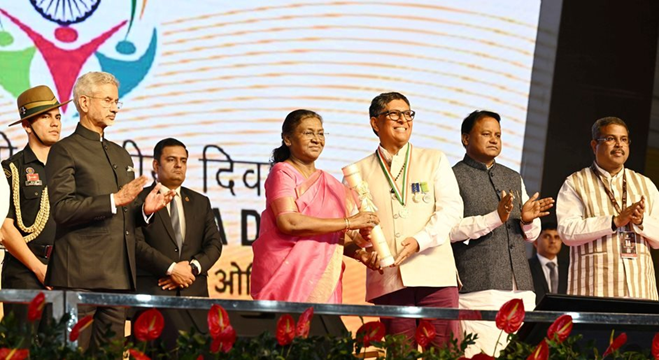
    • Trainer selection and management handled by the Sports Trainer Welfare Committee.

    Fee Structure

    • Self-financed model:
      • Trainees pay a fixed monthly fee, as determined by the Sports Trainer Welfare Committee.

    MPYP Portal (Madhya Pradesh Youth Portal)

    The MPYP Portal serves as a comprehensive platform to connect youth with:

    • Skill Development Programs
    • Career Guidance
    • Employment Opportunities

    It provides resources for talent development and career exploration.

    Significance

    The PARTH Yojana is a transformative step towards youth empowerment in Madhya Pradesh, fostering physical fitness, skill development, and patriotism, while addressing recruitment challenges in defense and law enforcement sectors.

    Madhya Pradesh:

    • Capital: Bhopal (Executive Branch)
    • Governor: Mangubhai C. Patel
    • Chief minister: Mohan Yadav
    PhonePe, ICICI Lombard Launch Maha Kumbh Mela Insurance

    In preparation for the Maha Kumbh Mela scheduled from January 13 to February 26, 2025, in Prayagraj, Uttar Pradesh, PhonePe has partnered with ICICI Lombard General Insurance to introduce a specialized insurance plan for millions of devotees. This initiative ensures affordable, comprehensive coverage for attendees, addressing potential risks during their spiritual journey.

    Insurance Plan Highlights

    Coverage Options

    • Train or Bus Travelers: ₹59 per traveler.
    • Domestic Flight Travelers: ₹99 per traveler.

    Coverage Period

    • Valid from January 13 to February 26, 2025.

    Coverage Inclusions

    1. Health and Personal Safety:
    1. Hospitalization: Up to ₹50,000.
    2. Outpatient Department (OPD) Treatment: Up to ₹1,500.
    3. Personal Accident Cover: Up to ₹1 lakh (includes death and permanent total disability).
    4. Travel-Related Protection:
    1. Trip Cancellation: Up to ₹5,000.
    2. Repatriation of Remains: Up to ₹10,000.
    3. Additional Benefits for Domestic Flight Travelers:
    1. Loss of Checked-in Baggage: Up to ₹5,000.
    2. Missed Connecting Flight: Up to ₹5,000.

    Significance of the Initiative

    1. Enhanced Safety and Security:
    2. Provides a financial safety net for medical emergencies and travel disruptions.
    3. Accessibility:
    4. Affordable pricing ensures wide accessibility for attendees from all socioeconomic backgrounds.
    5. Convenience:
    6. Integrated into PhonePe’s platform for easy access and purchase.
    7. Tailored for the Event:
    8. Specific inclusions address risks commonly faced by travelers during large-scale gatherings.

    Uttar Pradesh:

    • Capital: Lucknow (Executive Branch)
    • Chief minister: Yogi Adityanath
    • Governor: Anandiben Patel
    Madhya Pradesh CM launches Swami Vivekananda Yuva Shakti MissionMadhya Pradesh CM launches Swami Vivekananda Yuva Shakti Mission

    Madhya Pradesh Chief Minister Mohan Yadav launched the Swami Vivekanand Yuva Shakti Mission on the occasion of the National Youth Yadav on 12 January 2025 in Bhopal. Every year 12 January is observed as National Youth Day since 1985 to mark the birth anniversary of Swami Vivekanand. 

    Chief Minister Mohan Yadav also inaugurated the world’s largest 3-D rangoli, depicting Swami Vivekananda at the Shaurya Smarak in Bhopal.

    About  Swami Vivekananda Yuva Shakti Mission 

    • The Swami Vivekananda Yuva Shakti Mission has been launched by the state government keeping in mind Prime Minister Narendra Modi’s guiding principle of GYAN (Focusing on the Poor, Youth, Farmers, and Women) and inspired by the principles of Swami Vivekanand.
    • The Chief Minister also launched the Swami Vivekananda Yuva Shakti Mission Portal and theme song.

    The Portal will give information related to the mission to the general public.

    Aim of the Mission 

    The main aims of the mission are as follows;

    • The state government will try to provide employment to more than 70% of the youth by 2028.
    • All youth of the state are to complete education up to class 12th by 2030.
    • As part of employment generation efforts, vacant job positions of the past three years will be filled in a single year through the Public Service Commission.
    • Encourage the participation of the youth in social initiatives for the betterment of society. 

    World’s Largest 3-D Rangoli

    • Chief Minister Mohan Yadav also inaugurated the world’s largest 3-D rangoli, depicting Swami Vivekananda in the Shaurya Smarak, Bhopal. 
    • The 18,000-square-foot artwork (225 x 80 feet) has been created by renowned rangoli artist Shikha Sharma Joshi and her team and it also features Prime Minister Modi and Chief Minister Yadav.
    • The Rangoli made of 4,000 kilograms of eco-friendly natural colours conveys the Swami Vivekananda Yuva Shakti Mission motto of  Dialogue, Strength, and Prosperity(Samvad, Samarthya, Samriddhi).

    Shikha Sharma Joshi is the ambassador of India’s cleanest city, Indore.

    About the National Youth Day 

    • Since 1985, every year 12th of January has been observed as the National Youth Festival in the country to mark the birth anniversary of Swami Vivekanand. Swami Vivekanand was born as Narendranath Datta in Kolkata on 12 January 1863.
    • A disciple of Ramkishna he founded the Ramakrishna Math at Belur near Kolkata. He is credited for introducing the Hindu philosophies of Yoga and Vedanta to the West.

    National Youth Festival 2025

    A National Youth Festival is organised coinciding with the National Youth Day celebration. The Festival is organised by the Union Ministry of Youth Affairs and Sports in partnership with one of the States/Union Territories. The expenditure is shared between the Centre and the host State/Union Territory.. 

    This year the National Youth Festival 2025 was held in a new format by the Union Ministry of Youth Affairs and Sports 11-12 January 2025 in New Delhi under Viksit Bharat Young Leaders Dialogue.

     It was inaugurated by Union Minister of Youth Affairs & Sports and Labour & Employment, Dr. Mansukh Mandaviya on 11 January 2025.

    It was also addressed by Prime Minister Narendra Modi on 12 January in which 3,000 dynamic and motivated invited youth participated.

    Telangana Government to set up 1000 MW solar plant through women SHG

    The Telangana government has set a target to install an additional 1000 MW of solar power in the state through women self-help group (SHG) under its Indira Mahila Shakti Scheme. This was announced by the Telangana Deputy Chief Minister Bhatti Vikramarka while addressing the state District Collectors through video conferencing.

    • The Indira Mahila Shakti Scheme of the Telangana government was launched in March 2024 by the state Chief Minister A. Revanth Reddy. The scheme seeks to uplift and empower the women of the state by providing aid and skill training through women self help groups.
    • The Telangana government plans to integrate the solar power generation scheme with the Pradhan Mantri Kisan Urja Suraksha evam Utthan Mahabhiyan (PM-KUSUM) scheme.

    About the PM -KUSUM Scheme

    • ThePradhan Mantri Kisan Urja Suraksha evam Utthan Mahabhiyan (PM-KUSUM) scheme was launched by the government of India in March, 2019 with an objective to encourage the farmers to install solar power plants or other renewable energy plants on their agricultural fields  to meet their power needs for running tube wells and other agricultural implements.
    • Farmers can set up solar power plants upto 2 MW on their own land or in partnership with other farmers /cooperatives etc . 
    • The  surplus power is purchased by a power distribution company from the farmer. The central government provides assistance in setting up the solar power plant.

    About Self Help Group (SHG)

    • According to the National Bank for Agriculture and Rural Development (NABARD) a self help group is a small informal group of 10-20 individuals who come from the same social and economic background living in the same village or locality.
    • In the hilly areas ,tribal dominated regions,a minimum 5 members are required to form a SHGs.
    • Financing facilities are provided to these SHGs for income generating activities and social activities like building houses,marriage,education etc.

    Telangana:

    • Capital: Hyderabad
    • Chief minister: Revanth Reddy
    • Governor: Jishnu Dev Varma

    Award news

    President Confers Pravasi Bharatiya Samman Award at 18th PBD 2025

    On 10 January 2025, the Pravasi Bharatiya Samman Awards were conferred by President Droupadi Murmu during the 18th Pravasi Bharatiya Divas (PBD) Convention in Bhubaneswar, Odisha. This prestigious event, held from 8-10 January 2025, recognized the exceptional contributions of Non-Resident Indians (NRIs), Persons of Indian Origin (PIOs), and institutions founded by them in various fields.

    The awards have been instituted by the Government of India to honor outstanding individuals and organizations who have made significant contributions in India or abroad. The winners are selected by a Jury-cum-Awards Committee, headed by the Vice-President of India, with the Minister for External Affairs serving as the vice-chairman.

    List of 2025 Pravasi Bharatiya Samman Award Winners

    Serial NumberAward WinnerNationalityProfession
    1Prof. Ajay RaneAustraliaCommunity Service
    2Dr. Marialena Joan FernandesAustriaEducation
    3Dr. Philomena Ann Mohini HarrisBarbadosMedical Science
    4Swami SanyuktanandFijiCommunity Service
    5Saraswati Vidya NiketanGuyanaCommunity Service
    6Dr. Lekh Raj JunejaJapanScience & Technology
    7Dr. Prem KumarKyrgyzstanMedical Science
    8Soukthavy ChowdhuryLao People Democratic RepublicBusiness
    9Krishna SavjaniMalawiBusiness
    10Dr. Subramaniam K.V. SathasivamMalaysiaPolitics
    11Dr. Sarita BoodhooMauritiusCommunity Service
    12Abhaya KumarMoldovaBusiness
    13Dr. Ram Niwas @ Hla TunMyanmarEducation
    14Jaggannath Shekhar AsthanaRomaniaBusiness
    15Hindustani SamajRussiaCommunity Service
    16Sudha Rani GuptaRussiaEducation
    17Dr. Syed Anwar KhursheedSaudi ArabiaMedical Science
    18Atul Arvind TemurnikarSingaporeEducation
    19Robert Masih NaharSpainCommunity Service
    20Dr. Kaushik Laxmidas RamaiyaTanzaniaMedicine
    21Christine Carla KangalooTrinidad & TobagoPublic Affairs
    22Ramakrishnan Sivaswamy IyerUnited Arab EmiratesBusiness
    23Bonthala Subbaiah Setty Ramesh BabuUgandaCommunity Service
    24Baroness Usha Kumari PrasharUnited KingdomPolitics
    25Dr. Sharad LakhanpalUnited States of AmericaMedicine
    26Dr. Sharmila FordUnited States of AmericaCommunity Services
    27Ravi Kumar S.United States of AmericaBusiness

    About the Pravasi Bharatiya Divas (PBD)

    Since 2003, 9th January has been celebrated as Pravasi Divas to commemorate the return of Mahatma Gandhi to India from South Africa in 1915. The Pravasi Bharatiya Divas Convention is organized by the Ministry of External Affairs and is held biennially since 2015. The convention serves as a platform to connect with the global Indian diaspora, exchange ideas, and discuss issues impacting the Indian community worldwide.

    The Pravasi Bharatiya Samman Awards are an integral part of the convention, acknowledging individuals and organizations that have made remarkable contributions in their respective fields, showcasing the strength and success of the global Indian community.

    Rank and report news

    India’s Ranking in the Henley Passport Index 2025

    India’s ranking in the Henley Passport Index 2025 has dropped to 85th, a decline from its 80th position in 2024, indicating reduced global mobility for Indian passport holders.

    Key Highlights

    1. Henley Passport Index Overview:
    1. Published by Henley & Partners, a citizenship advisory firm.
    2. Rankings based on data from the International Air Transport Association (IATA).
    3. Covers 199 passports and 227 destinations, with data spanning 19 years.
    4. Reflects global passport mobility and visa-free access.
    5. India’s Ranking Trends:
    1. 2025 Rank: 85th.
    2. 2024 Rank: 80th.
    3. Best Rank: 71st (2006).
    4. Lowest Rank: 90th (2021).
    5. India and Neighbor Rankings (2025):
    1. China: 60th.
    2. India: 85th.
    3. Bhutan: 90th.
    4. Sri Lanka: 96th.
    5. Bangladesh: 100th.
    6. Nepal: 101st.
    7. Pakistan: 103rd.
    8. Afghanistan: 106th.

    Global Rankings (2025):

    1. 1st Place: Singapore (retained top spot for the second year).
    2. 2nd Place: Japan (top-ranked from 2018-2023).
    3. 3rd Place: Finland, France, Germany, Spain, Italy, South Korea (tie).
    4. 4th Place: Austria, Denmark, Ireland, Luxembourg, Netherlands, Sweden, Norway (tie).
    5. 5th Place: New Zealand, Switzerland, Portugal, United Kingdom (tie).
    6. 6th Place: Australia, Greece (tie).
    7. 7th Place: Canada, Malta, Poland (tie).
    8. 8th Place: Czechia, Hungary (tie).
    9. 9th Place: Estonia, United States (tie).
    10. 10th Place: Latvia, Lithuania, Slovenia, UAE (tie).

    Notable Trends and Insights:

    1. Global Mobility Insights:
    1. Singapore remains the most powerful passport with the highest visa-free access.
    2. Japan continues to lead in Asia but slipped to the second position.
    3. US dropped significantly over the decade, from 2nd (2015) to 9th (2025).
    4. Notable Climbers:
    5. China: Rose from 94th (2015) to 60th (2025), gaining 40 visa-free destinations.
    6. Top Fallers:
    7. Venezuela, US, Vanuatu, UK, and Canada saw significant declines in rankings.

    Important days

    World Hindi Day 2025- Celebrating the Global Significance of Hindi

    The World Hindi Day, popularly called the ‘Vishwa Hindi Diwas’, is celebrated on January 10 every year to promote Hindi as one of the most widely spoken languages around the world, along with English and Mandarin. World Hindi Day is an occasion that celebrates Hindi as a global language. Recognized as one of the most spoken languages in the world, Hindi is not merely a medium of communication but an emotion that binds millions of people. With a rich history and cultural significance, Hindi has evolved over the centuries, incorporating words from various languages and becoming more refined and understandable. From the media to contemporary writers, Hindi has established itself as a vital language of expression.

    Significance of Hindi

    • One of the most spoken languages globally, alongside English and Mandarin.
    • A medium of communication and cultural connection that embodies deep emotions and history.
    • Evolved through centuries by incorporating words from various languages, making it accessible and refined.
    • Widely used in media, literature, and cultural expressions.
    2025 Theme:

    “A Global Voice of Unity and Cultural Pride”

    • Emphasizes Hindi’s role in fostering global unity and cultural exchange.

    2024 Theme:

    “Hindi: A Global Voice of Unity and Cultural Pride”

    • Focused on promoting Hindi in the digital era and fostering a sense of pride in its global presence.

    Global Celebrations

    The Ministry of External Affairs (MEA) ensures celebrations of World Hindi Day in Indian embassies and cultural centers worldwide, which host:

    • Cultural Programs: Showcasing Hindi music, dance, and arts.
    • Language Workshops: Encouraging the learning and use of Hindi.
    • Seminars and Discussions: Exploring the importance of Hindi in international and linguistic exchanges.

    Historical Perspective

    Hindi as an Official Language

    • Adopted on September 14, 1949: The Constituent Assembly chose Hindi in the Devanagari script as an official language of India.
    • While Hindi holds official status, the Indian Constitution does not recognize any language as the national language. Hindi shares official status with 21 other languages under the Eighth Schedule of the Constitution.

    Role of Prominent Figures

    • Mahatma Gandhi advocated for Hindi as a unifying language for India.
    • Beohar Rajendra Simha, a key proponent of Hindi, campaigned for its adoption. His birthday inspired the celebration of Hindi Diwas, distinct from World Hindi Day, on September 14.

    Rashtrabhasha Prachar Samiti, Wardha

    • Played a crucial role in promoting Hindi and advocating its adoption as an official language.
    National Youth Day January 12th

    National Youth Day, also known as Rashtriya Yuva Diwas, is celebrated annually on January 12 to honor the birth anniversary of Swami Vivekananda. Recognized for his contributions to spiritual growth, national integration, and youth empowerment, Swamiji’s life and teachings remain an inspiration to India’s youth. The Government of India declared his birthday as National Youth Day in 1984 to encourage young people to follow his ideals and work towards a progressive, united, and self-reliant India.

    History:

    • Declared By: Government of India in 1984.
    • First Celebration: January 12, 1985.
    • Aim: Encourage youth to embrace values like unity, spirituality, and service to humanity inspired by Swamiji’s philosophy.

    Significance:

    • Unites Indian youth for nation-building and spreads awareness about youth rights and responsibilities.
    • Encourages fearlessness, strength, unity, and harmony.
    • Promotes holistic learning through workshops, cultural events, and seminars.
    • Focuses on community service, cleanliness drives, and social awareness programs.

    About Swami Vivekananda:

    • Birth Name: Narendranath Datta (January 12, 1863).
    • Legacy:
      • Introduced Vedanta and Yoga to the West.
      • Delivered the iconic Chicago Speech (1893) representing Hinduism.
      • Founded Ramakrishna Mission in 1897 at Belur Math, Kolkata.
    • Known For: Spiritual teachings, promoting religious harmony, and empowering youth.
    150 Years of India Meteorological Department (IMD)

    The India Meteorological Department (IMD), established in 1875, is one of the oldest scientific institutions in India dedicated to weather forecasting and disaster preparedness. As it marks its 150th anniversary on January 15, 2025, the IMD continues to play a pivotal role in tracking weather patterns, issuing cyclone warnings, monitoring earthquakes, and studying atmospheric changes.

    Evolution of Meteorology in India

    • Ancient Roots: Early texts like the Upanishads (circa 3000 B.C.) explored cloud formation, rain cycles, and seasonal changes.
    • Modern Advances: Began in the 17th century with inventions like the thermometer, barometer, and gas laws.
    • First Observatory: Established in 1785 in Kolkata (Calcutta) for weather studies.

    Foundation of IMD

    • Reason for Creation: Centralized weather data collection after devastating events like:
      • The 1864 Calcutta cyclone (60,000 deaths).
      • The 1866 Orissa famine (failed monsoons).
    • First Meteorological Reporter: Henry Francis Blanford.


    Sports news

    Neeraj Chopra named best javelin thrower of the year by US Magazine

    Indian javelin thrower Neeraj Chopra, who clinched a gold medal at the Tokyo 2020 Olympics, has been named the best javelin thrower of 2024 by the esteemed American magazine Track and Field News. The 27-year-old athlete had an outstanding year, competing in six international events, winning two and finishing as runner-up in four.

    2024 Achievements of Neeraj Chopra

    1. Olympics Performance:
    2. Silver Medal at the 2024 Paris Summer Olympics, where he finished behind Arshad Nadeem of Pakistan, who won the gold medal.
    3. Competition Highlights:
    1. Doha Diamond League (May 2024): Neeraj finished second, behind Czechia’s Jakub Vadlejch.
    2. Paavo Nurmi Games (June 2024): Neeraj won the gold medal in Finland.
    3. National Federation Senior Athletics Competition (India): Neeraj won the gold.
    4. Lausanne Diamond League (2024): Neeraj set a career-best throw of 89.49 meters and finished second behind Anderson Peters of Grenada.
    5. Brussels Diamond League Final (September 2024): Neeraj again finished second behind Anderson Peters.

    Ranking of Other Javelin Throwers

    • Anderson Peters (Grenada) was ranked second by the magazine in 2024.
    • Arshad Nadeem (Pakistan), the gold medalist at the 2024 Paris Olympics, was ranked 6th, as he only participated in two international events that year.

    Science and tech news

    Union Minister Sonowal Unveils National River Traffic & Navigation System

    On January 11, 2025, Union Minister of Ports, Shipping, and Waterways, Sarbananda Sonowal, launched the National River Traffic and Navigation System (NRT&NS) during the second meeting of the Inland Waterways Development Council (IWDC) in Kaziranga, Assam. This initiative aims to enhance the safety and efficiency of inland waterway transportation across India.

    Key Announcements and Initiatives:

    1. National River Traffic and Navigation System (NRT&NS):
      • Aimed at enhancing the safety and efficiency of India’s inland waterway transportation.
    2. Investment Commitments:
      • Over ₹50,000 crore allocated for developing infrastructure along national waterways over five years.
      • Additional initiatives worth ₹1,400 crore planned across 21 Inland Waterway States.
    3. Policy Initiative – Riverine Community Development Scheme:
      • Focuses on improving the socio-economic well-being of coastal communities.
      • Includes infrastructure development, promotion of trade and tourism, and skill enrichment training.
    4. Infrastructure Development:
      • Plans to establish shipbuilding and repair facilities on all National Waterways.
      • Aims to reduce logistics costs, boost ancillary industries, and create jobs for riparian communities.

    Performance Highlights:

    1. Cargo Movement:
      • Nearly 7% growth in cargo movement on National Waterways (April–November 2024) compared to the previous year.
    2. Cruise Tourism:
      • Increase in river cruise vessels from 3 (2013-14) to 25 (2023-24).
      • Launch of Cruise Bharat Mission, targeting:
        • 10 sea cruise terminals.
        • 100 river cruise terminals.
        • 5 marinas in the next five years.
    BMCRI to Set Up South India’s First Infectious Disease Research Lab

    Bangalore Medical College and Research Institute (BMCRI) has been selected by the Indian Council of Medical Research (ICMR) to establish South India’s first Infectious Disease Research and Diagnostic Laboratory (IRDL). This initiative aims to enhance the diagnostic and research capabilities for infectious diseases in the region. The laboratory will focus on diseases caused by bacteria, fungi, and parasites, facilitating faster diagnosis and improving healthcare outcomes. This project is part of a larger national effort to build specialized labs in medical colleges across India.

    Objective:

    • Enhance diagnostic and research capabilities for infectious diseases in South India.
    • Facilitate faster diagnosis and improve healthcare outcomes.

    Key Features:

    1. Diagnostic Focus:
      • Diseases caused by bacteria, fungi, and parasites.
      • Faster, localized diagnostics eliminating the need to send samples to other states.
    2. Research Focus Areas:
      • Bacteriology: Study of bacterial pathogens and antibiotic resistance.
      • Mycology: Research on fungal infections.
      • Parasitology: Study of tropical parasitic diseases.
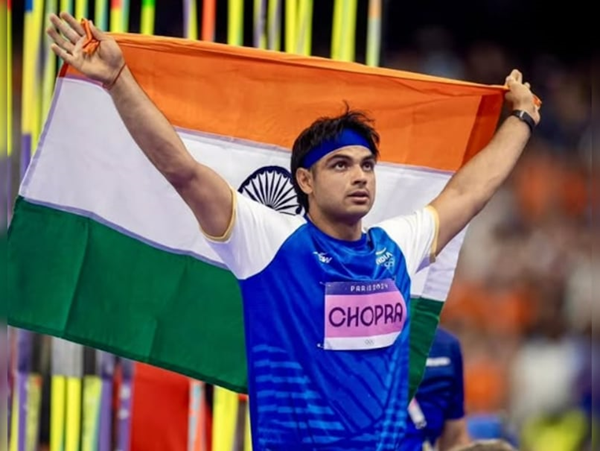

    Government Support:

    • Part of a national initiative to establish specialized labs in medical colleges.
    • Aims to build capacity for advanced diagnostics and treatment, improving overall healthcare delivery.
    Earth Breaches 1.5°C Limit for the First Time in 2024

    In a landmark event for climate change, 2024 became the first year in recorded history when the mean global temperature exceeded the critical 1.5°C threshold above pre-industrial levels, as reported by the Copernicus Climate Change Service (C3S). This breach marks a dangerous trajectory for global warming, bringing humanity closer to a point of no return. Climate experts warn that if this trend continues without drastic emission cuts, global temperatures could exceed the 2°C limit by 2050, with devastating consequences for ecosystems, economies, and human livelihoods.

    Key Highlights:

    1. Record-Breaking Global Temperatures:
      • Annual global temperature average: 15.1°C, the warmest on record.
      • 1.60°C higher than pre-industrial levels and 0.72°C above the 1991-2020 average.
      • July 22, 2024: Hottest day recorded, with global temperature of 17.16°C.
      • All months from January to June 2024 recorded as warmest in history.
    2. Sea Surface Temperature (SST) Records:
      • Annual average SST: 20.87°C, highest ever recorded.
      • SSTs were at record highs for the first half of the year and second warmest from July to December.
    3. Role of El Niño:
      • El Niño began in June 2023, contributing to record temperatures in 2024.
      • No La Niña cooling effect observed in 2024, exacerbating warming trends.
    4. Impact on Developing Economies:
      • Increased vulnerability to floods, droughts, and heatwaves.
      • Limited progress in climate financing at COP29 in Baku, Azerbaijan.
      • Developing countries face pressure to allocate more resources for climate adaptation, hindering mitigation efforts.
    Centennial Recognition for Srinagar Meteorology Centre

    Union Minister Dr. Jitendra Singh announced the establishment of a Regional Meteorological Centre in Jammu during a landmark event commemorating the 150th anniversary of the India Meteorological Department (IMD). The announcement signifies a major step toward improving weather forecasting, disaster preparedness, and climate resilience in the Jammu & Kashmir region. The event also highlighted IMD’s remarkable journey from its establishment in 1875 to becoming a global leader in meteorological services, providing critical weather data for sectors like agriculture, aviation, defense, and disaster management. Dr. Singh emphasized India’s growing leadership in climate action, driven by advancements in meteorological infrastructure under the leadership of Prime Minister Narendra Modi.

    IMD’s Journey and Achievements:

    • Founded: 1875, now a global leader in meteorological services.
    • Impact: Provides critical data for agriculture, aviation, defense, and disaster management.
    • Technological Growth: Forecast accuracy improved by over 40% since 2014.
    • Recognition: Srinagar Meteorology Centre is now a WMO Centennial Centre.

    Technological Advancements:

    • Doubling of Automated Weather Stations (AWS) in Jammu & Kashmir over a decade.
    • Installation of X-band Radars in Jammu, Srinagar, Manihal, and Leh enhances predictions for events like the Amarnath Yatra and Vaishno Devi pilgrimage.

    Mission Mausam:

    • Launched with a ₹2,000 crore budget for 2024–2026 under Modi 3.0.
    • Aims to make India “weather-ready and climate-smart.”
    • Focus on improving forecasting tools and outreach programs to position India as a global meteorological hub by 2047.

    Collaborations:

    • Announced MoUs with institutions like the University of Jammu, SKUAST, and Islamic University of Science and Technology, Avantipura.
    • Goal: Advance research and innovation in meteorological sciences
    Kumbhvani FM Channel Launched for Maha Kumbh 2025

    On January 10, 2025, Uttar Pradesh Chief Minister Yogi Adityanath inaugurated ‘Kumbhvani‘ (103.5 MHz), a dedicated FM channel by All India Radio, to enhance the Maha Kumbh 2025 experience. The event was attended by Union Minister of State for Information and Broadcasting, Dr. L. Murugan, who participated online.

    Channel Overview:

    • Broadcast Period: January 10 to February 26, 2025
    • Frequency: FM 103.5 MHz
    • Operating Hours: 5:55 AM to 10:05 PM daily

    Special Programming:

    1. Live Broadcasts:
      • Coverage of main bathing rituals on January 14, 29, and February 3.
      • Daily updates from the Kumbh area.
    2. Cultural Presentations:
      • Serial Shiva Mahima.
      • Programs showcasing Indian cultural heritage.
    3. Talk Shows:
      • Namaskar Prayagraj (9:00–10:00 AM).
      • From the Bank of Sangam (4:00–5:30 PM).
    4. Health Counseling:
      • Hello Doctor program for live health consultations.

    Defence news

    DRDO’s HIMKAVACH: Advancing Cold Weather Military Apparel

    The Defence Research and Development Organisation (DRDO) has unveiled the HIMKAVACH multi-layer clothing system, engineered to enhance the operational efficiency of military personnel in extreme cold conditions. This innovative apparel has successfully completed user trials, demonstrating its effectiveness in temperatures ranging from +20°C to -60°C.

    Design and Features:

    • Multi-Layered Construction:
      • Outer Layer: Water and wind-resistant yet breathable for protection and comfort.
      • Inner Layers: Provide superior insulation by trapping body heat, ensuring warmth in sub-zero temperatures.
    • Performance: Designed to offer optimal insulation, moisture protection, and breathability for prolonged use in harsh environments.

    User Trials and Feedback:

    • Conducted under actual operational conditions, replicating real-life military scenarios.
    • Soldiers reported high satisfaction with comfort and functionality.
    • Successfully met all operational standards for extreme cold-weather apparel.

    Strategic Importance:

    • Himalayan Operations: HIMKAVACH is critical for military personnel stationed in the Himalayan region, where extreme weather poses significant challenges.
    • Operational Efficiency: Ensures soldier endurance and safety in harsh climates, boosting mission success.

    DRDO:

    Head: Dr. Samir V Kamat

    Date founded: 1958

    Headquarters: DRDO Bhavan, New Delhi, India